
Canada has moved to solidify its role as a strategic energy partner for Europe, finalizing a landmark deal to export liquefied natural gas (LNG) to Germany. This agreement marks a significant shift in Canada’s international trade profile, as the nation seeks to diversify its energy export markets beyond its long-standing reliance on the United States. For Germany, the arrangement serves as a critical component of its broader strategy to secure reliable, long-term energy supplies following the disruption of traditional pipelines in recent years.
The collaboration underscores the growing importance of Atlantic energy corridors and reflects the evolving geopolitical landscape where energy security is increasingly viewed through the lens of national security. By tapping into its vast natural resources, Canada aims to stabilize global supply chains while Germany works to phase out its dependence on legacy fossil fuel providers. This development, which has been under discussion for several years, represents a practical application of North American energy potential meeting European industrial demand, as detailed by the Natural Resources Canada overview of LNG export policies.
Strategic Alignment in a Changing Energy Market
The decision to expand LNG exports is driven by both economic necessity and international policy shifts. For Ottawa, the goal is to leverage its abundant natural gas reserves to foster economic growth while assisting allies in their transition toward sustainable, yet secure, energy portfolios. The infrastructure required to facilitate these shipments, including liquefaction terminals and specialized tanker fleets, represents a multi-billion dollar investment in regional energy stability. According to the Canada Energy Regulator’s latest market analysis, such infrastructure projects are essential to connecting inland production with international markets.
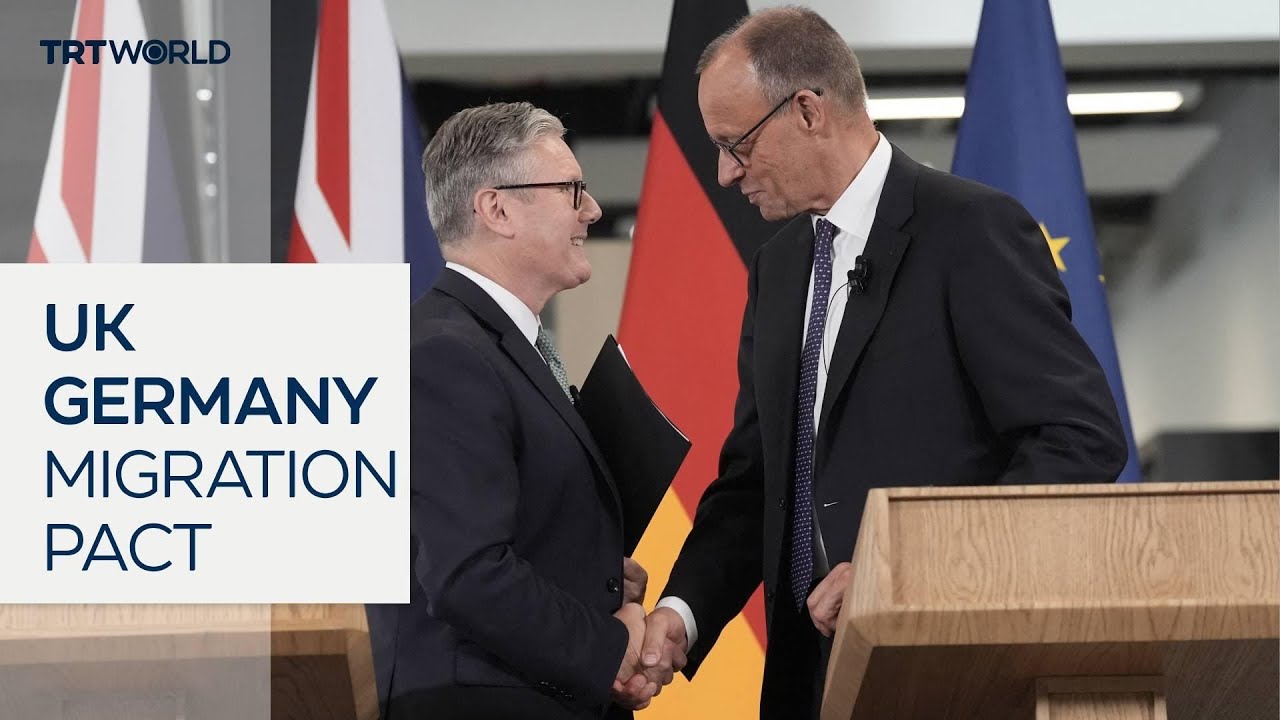
Germany, meanwhile, has been aggressively pursuing energy independence to insulate its domestic industries from price volatility and supply shocks. The partnership with Canada is viewed as a “win-win” scenario, providing German utilities with a stable, democratic source of fuel. This diversification strategy is a cornerstone of the European Union’s broader energy policy, which emphasizes the need for reliable imports from stable geopolitical partners. The move away from traditional reliance on the U.S. Market allows Canada to position itself as a key supplier for the transatlantic bloc, effectively balancing its portfolio of trade partners.
Infrastructure and Economic Implications
The practical execution of this agreement hinges on the development of midstream infrastructure. Export terminals located on the East Coast of Canada are being positioned to receive gas from Western Canadian fields, which will then be processed into a liquid state for maritime transport. The complexities of this logistics chain require significant coordination between private sector developers and federal regulators. Officials have noted that environmental standards and indigenous consultation remain central to the approval process, ensuring that the development of these facilities aligns with national climate objectives.
the economic impact of this deal extends beyond the immediate sale of commodities. It includes the creation of high-skilled jobs in the engineering, construction, and maritime sectors. As global demand for natural gas remains elevated, the ability to deliver product efficiently is a competitive advantage. The Statistics Canada energy data portal highlights that the energy sector remains a primary driver of the national economy, and the expansion of LNG export capacity is expected to contribute to a more robust trade balance in the coming fiscal years.
Looking Ahead: The Path Toward Implementation
While the deal has been signed, the path forward involves rigorous regulatory oversight and technical milestones. Both countries have committed to monitoring the progress of infrastructure development to ensure that timelines are met without compromising safety or environmental commitments. The next phase of this partnership will likely involve the finalization of long-term purchase agreements between Canadian suppliers and German energy conglomerates, which are expected to be disclosed in forthcoming regulatory filings.
/cloudfront-us-east-2.images.arcpublishing.com/reuters/5BZJN72BZFIQLGMYUPPE6OTGCI.jpg "Justin Trudeau Olaf Scholz LNG deal")
As the project transitions from the planning phase to active construction, stakeholders will be watching for updates regarding terminal capacity and shipping schedules. For those monitoring the intersection of geopolitics and energy, the progress of this deal serves as a barometer for how Western nations can cooperate to solve complex supply issues. We will continue to track these developments as they unfold. For the latest official bulletins regarding energy exports and trade agreements, readers can monitor the Global Affairs Canada trade portal for periodic updates.
What are your thoughts on this shift in global energy trade? Share your perspective in the comments section below and join the discussion with our global readership.
Related reading