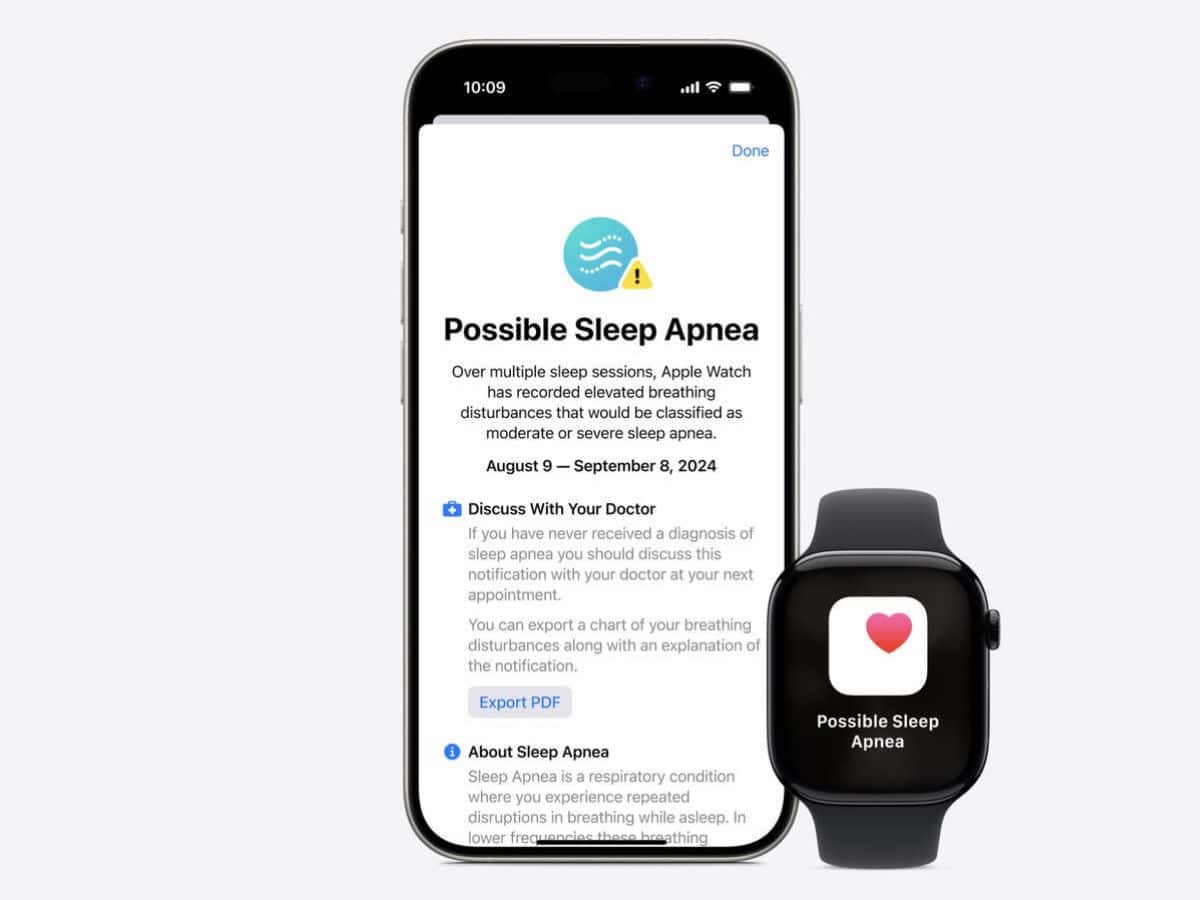
Apple is expanding its suite of health-focused technology, bringing advanced monitoring features for sleep apnea, hearing, and hypertension to a broader range of international markets. These updates, integrated into the Apple Watch and AirPods ecosystems, reflect the company’s ongoing strategy to transition its wearable devices from general-purpose accessories into sophisticated tools for personal health management.
For users, this expansion means that previously localized features—such as the ability to detect signs of sleep apnea or perform clinical-grade hearing tests—are becoming accessible in more regions, subject to local regulatory clearances. By leveraging hardware capabilities like the optical heart sensor and the H2 chip, Apple continues to push the boundaries of what consumer electronics can offer in the medical and wellness space.
Expanding Access to Advanced Health Monitoring
The rollout focuses on three primary health domains: sleep apnea detection, hearing health, and hypertension monitoring. Each feature relies on specific technological milestones. For instance, the sleep apnea notification feature uses the Apple Watch’s accelerometer to detect small movements at the wrist associated with interruptions in normal respiratory patterns during sleep, a process the company describes as utilizing advanced algorithms to identify potential signs of moderate to severe sleep apnea over a 30-day period. For more information on health features available in your country, visit the official Apple feature availability page.
The hearing health features, specifically designed for the AirPods Pro 2, include an over-the-counter Hearing Aid feature and a clinically validated Hearing Test. These tools allow users to assess their hearing health and receive personalized adjustments for their audio devices. According to the World Health Organization, nearly 2.5 billion people are projected to have some degree of hearing loss by 2050, highlighting the potential public health impact of making such diagnostic tools more widely available to the general public.
Regulatory Compliance and Regional Availability
A critical component of this rollout is navigating the complex landscape of global medical device regulation. Apple’s health features must undergo rigorous review by health authorities in each respective country, such as the U.S. Food and Drug Administration (FDA) or the European Medicines Agency (EMA), before they can be activated. The company typically coordinates these launches in phases, ensuring that data privacy and clinical accuracy standards are met in every jurisdiction where the features are deployed.

Because these features are classified as regulated health software, their availability is inherently tied to local government approvals. Users are encouraged to check the Apple Health app on their iPhone to see which specific tools are enabled for their region. As noted by the U.S. Food and Drug Administration, software functions that provide clinical insights are subject to oversight to ensure they perform as intended without posing undue risk to patient safety.
Why These Features Matter for Personal Wellness
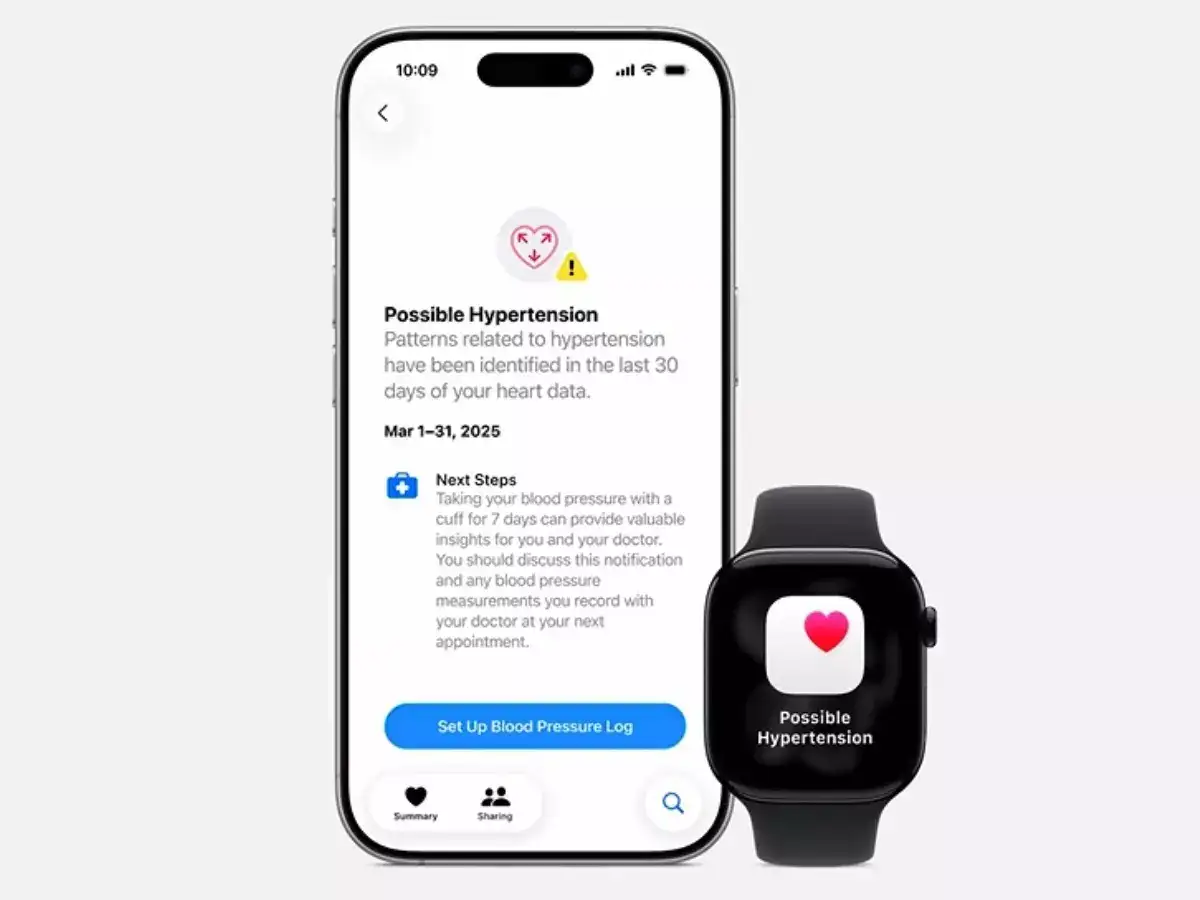
The shift toward proactive health tracking represents a significant departure from traditional reactive healthcare models. By providing users with longitudinal data, Apple aims to encourage earlier conversations between patients and their physicians. For example, hypertension monitoring—often requiring sophisticated sensor integration—can provide users with a clearer picture of their cardiovascular trends over time.
However, It’s important for users to understand that these features are intended to supplement, not replace, professional medical diagnosis or treatment. The data generated by these devices serves as a starting point for medical consultations rather than a definitive medical record. For those interested in how these devices integrate with existing medical workflows, the Apple Healthcare portal provides resources on how clinicians can view data shared by patients through the Health app.
Key Takeaways for Users
- Broadened Access: Health features are being rolled out to more regions following necessary local regulatory approvals.
- Clinical Focus: Features like sleep apnea detection and hearing tests are designed to provide actionable insights for users to discuss with their doctors.
- Privacy-First Design: As with other health data, information collected by these features is encrypted and kept private, with users maintaining control over what is shared.
- Regular Updates: Users should ensure their devices are running the latest software versions to access newly enabled regional features.
Looking Ahead
Apple continues to refine its health-related software and hardware, with further regional expansions expected as more health authorities grant the required certifications. The company has maintained a consistent pace of innovation in this sector, moving from basic activity tracking to specialized medical monitoring over the last several years. As the ecosystem grows, the integration between personal devices and professional healthcare systems remains a primary focus for the company’s development teams.
The next major update regarding product roadmaps and software integration is expected during the upcoming Apple Worldwide Developers Conference, scheduled for June 8–12, 2026. Stay tuned to our technology section for further updates as more regions receive these health feature authorizations. We welcome your thoughts on how wearable technology has influenced your personal health management—share your experiences in the comments below.
Worth a look
- China Observatory Discovers Cygnus X-3 Is Most Powerful Cosmic Accelerator
- Intel plătește bonusuri pentru ore suplimentare la fabrica din Ohio; Producția pe 14A este programată pentru 2031 – Mobilissimo.ro
- Baidu Apollo Go Expands Robotaxi Tests to London and Hong Kong (archynewsy.com)
- Latest iOS 27 Features and Apple AI Security Updates (world-today-news.com)