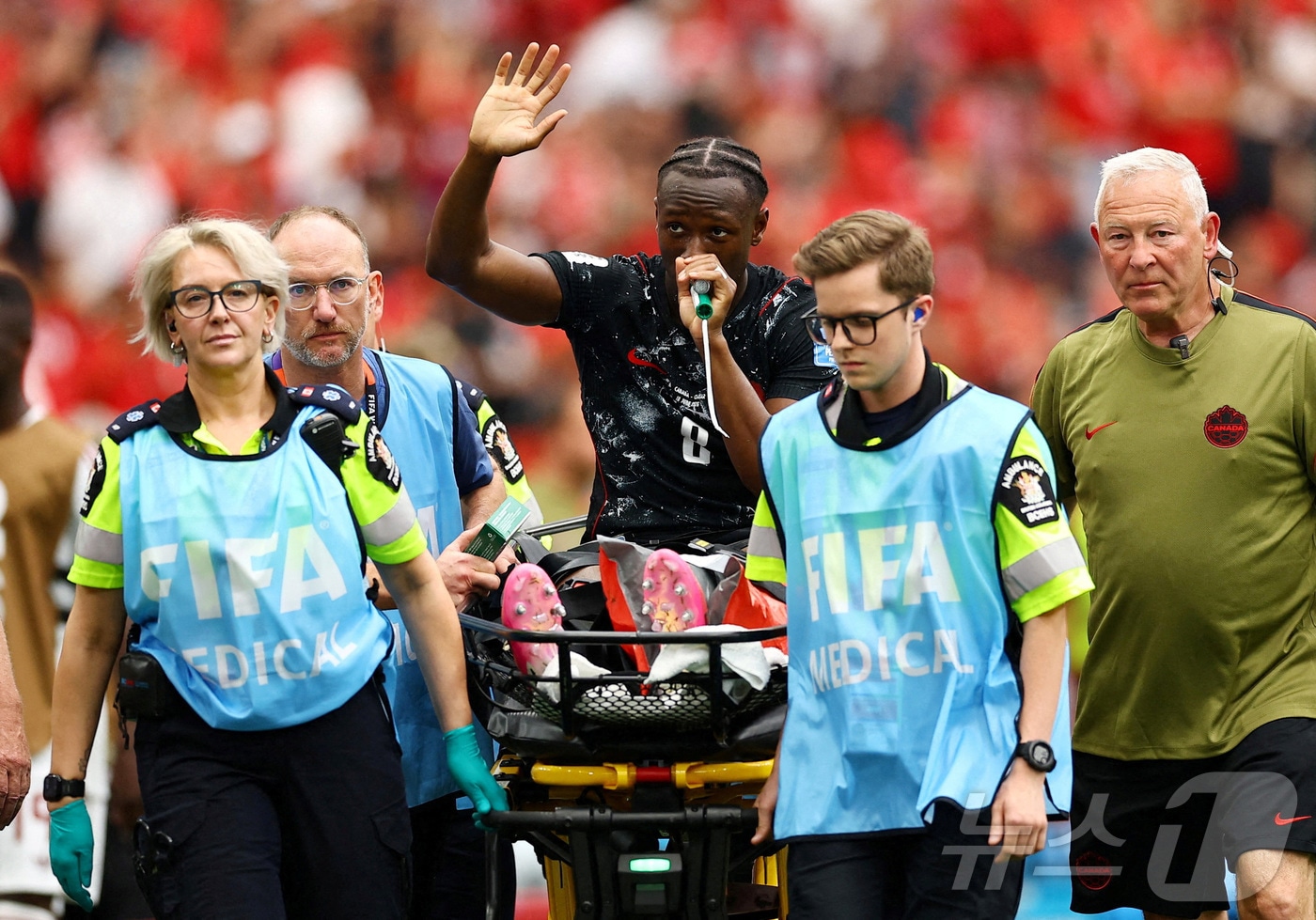
Reports indicate that Canadian international midfielder Ismaël Koné has undergone surgery for a left leg fracture, a development that will sideline the player for the remainder of his current competitive cycle. While the Canadian Soccer Association (CSA) has not yet released an official medical bulletin to confirm the specifics, media reports suggest the surgical procedure was successful and that the player is expected to make a full recovery.
The potential absence of the Stade de Reims midfielder poses a significant challenge for the Canadian national team’s tactical setup. Koné, a central figure in Canada’s recent midfield transitions, is expected to miss upcoming international fixtures according to the reports, which have highlighted the severity of the injury. As of this writing, official representatives for the player and the national team have not provided a definitive timeline for his return to competitive play.
Medical analysis: Recovery from lower leg fractures in professional athletes
A fracture in the lower leg typically involves one or both of the long bones: the tibia (shinbone) or the fibula. When a fracture requires surgical intervention, it is often categorized as an unstable fracture, necessitating a procedure known as Open Reduction Internal Fixation (ORIF). During ORIF, surgeons realign the bone fragments and secure them using medical-grade titanium plates, screws, or rods to ensure proper healing and structural integrity.
For a professional footballer, the recovery process following such surgery is multi-phased and highly regulated. The initial stage focuses on bone union, where the body forms a “callus”—a bridge of new bone tissue—across the fracture site. This phase is critical and can take anywhere from six to twelve weeks depending on the complexity of the break and the specific bone involved. Following bone stabilization, athletes move into a period of progressive weight-bearing and intensive physiotherapy to combat muscle atrophy and restore joint mobility.
The final stage of rehabilitation involves sport-specific movements, including plyometrics, agility drills, and high-intensity interval training. For an elite athlete like Koné, the goal is not merely bone healing but the complete restoration of proprioception—the body’s ability to sense movement, action, and location—and explosive power. While surgeons may report a “successful” operation, the return to the pitch is contingent upon passing rigorous physiological benchmarks to prevent re-injury.
Tactical implications for the Canadian national team
The loss of Ismaël Koné significantly alters the structural dynamics of the Canadian midfield. Koné has become a vital component in Canada’s ability to transition from defensive phases to offensive surges. His profile as a dynamic, box-to-box midfielder allows the team to maintain high pressing lines while providing a link between the defensive block and the attacking unit.
Without Koné, the national team coaching staff must address several tactical voids:
- Transition Speed: Koné’s ability to carry the ball through the middle third is a key mechanism for bypassing opponent midfields.
- Midfield Stability: His presence allows for more freedom among attacking players, as he provides a reliable outlet for recycling possession.
- Squad Depth: The injury forces a reshuffling of the central axis, potentially requiring players accustomed to more stationary, defensive roles to take on greater mobility responsibilities.
The timing of this injury is particularly sensitive as Canada continues its preparations for major international windows. The ability to maintain tactical continuity will be tested as the squad looks to integrate alternative options into the starting eleven.
Impact on club duties and Stade de Reims
Beyond the international stage, the injury presents a setback for Koné’s club, Stade de Reims. Having established himself as a rising talent in Ligue 1, his availability is central to the club’s competitive standing in the French top flight. The medical staff at Reims will likely coordinate closely with the Canadian Soccer Association to manage his rehabilitation, ensuring that the recovery protocol aligns with both club and country requirements.
The injury management for high-profile players often involves a collaborative approach between club physicians and national team medical departments. This coordination is essential to avoid conflicting rehabilitation schedules and to ensure that the player’s long-term career health is prioritized over immediate competitive needs.
Key Takeaways: Ismaël Koné Injury Report
- Injury Type: Reported left leg fracture requiring surgery.
- Current Status: Surgery completed successfully; recovery in progress.
- Availability: Expected to miss upcoming international matches.
- Primary Impact: Significant loss of midfield mobility and transition capability for Canada.
Further updates regarding Koné’s recovery timeline and official statements from the Canadian Soccer Association are expected following his next medical evaluation. The national team is anticipated to name an updated roster for its upcoming fixtures in the coming weeks.
For more updates on international sports and health developments, please follow World Today Journal. We encourage you to share this article and join the discussion in the comments below.
Keep reading
- Body Positivity and Fitness: Shifting Focus from Appearance to Strength
- Ébola en el Congo: Preocupación por la rápida propagación del virus y la amenaza a Kinshasa
- Canada Prepares US Trade Proposal Ahead of Tariff Deadline (archynewsy.com)
- South African Envoy Warns Canada Peacekeeping Cuts Weaken Middle-Power Strategy (newsdirectory3.com)