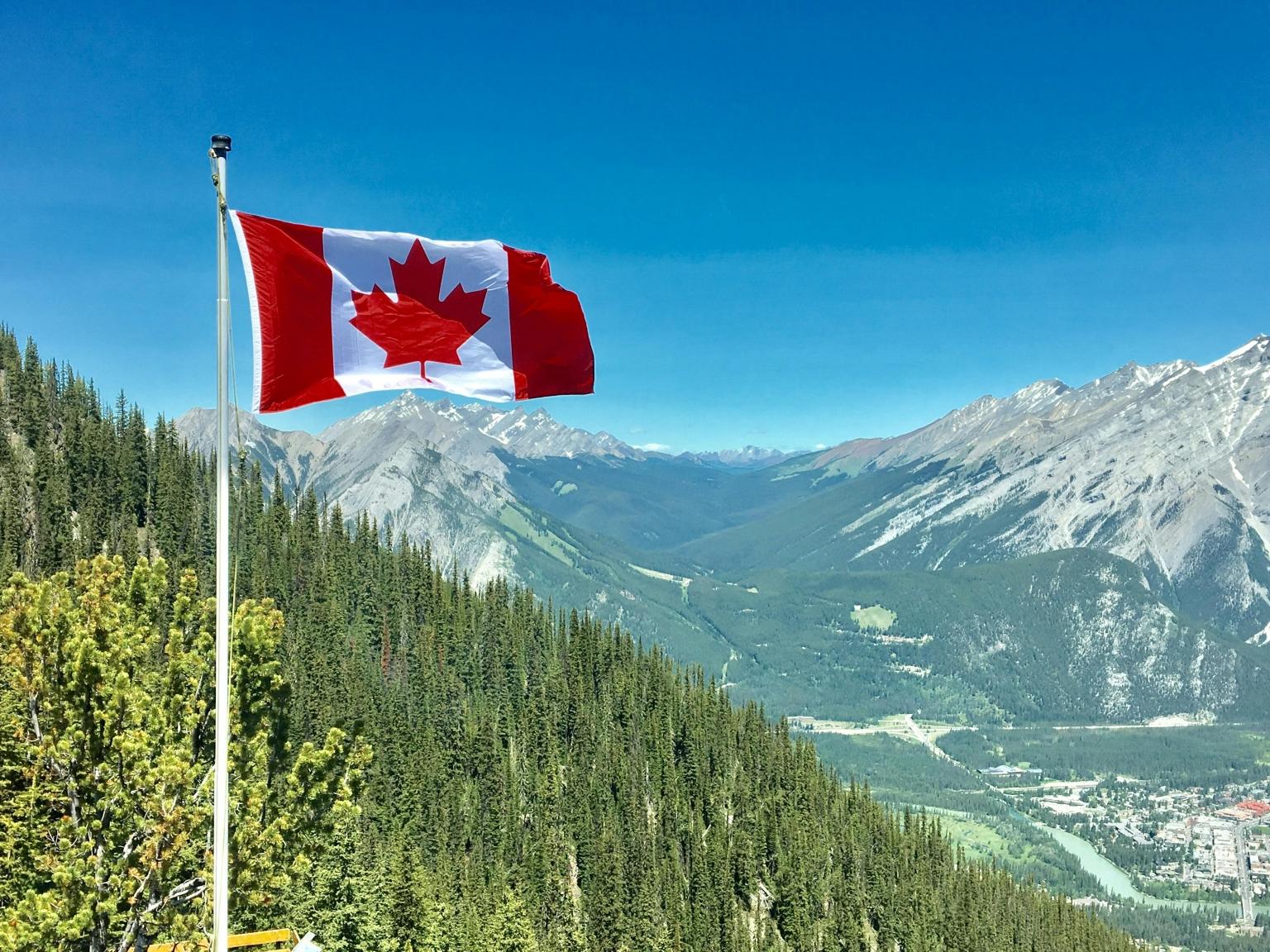
Canadian wildfires have pushed hazardous air quality into the United States, with smoke reaching New York City and triggering health alerts. The particulate matter from these fires, which can travel thousands of miles via atmospheric currents, has caused the Air Quality Index (AQI) in several U.S. cities to spike into “unhealthy” or “hazardous” ranges, according to data from AirNow, the U.S. government’s official air quality portal.
The phenomenon is not an isolated event but part of an increasing trend of “long-range transport” of wildfire smoke. When fires ignite in the boreal forests of Canada, the intense heat creates pyrocumulonimbus clouds that loft smoke high into the troposphere, where jet streams carry the pollutants across international borders. This has resulted in visible “orange skies” and significant respiratory risks for millions of residents in the Northeastern United States.
Public health officials, including those from the New York City Department of Health and Mental Hygiene, have advised sensitive groups—including children, the elderly, and those with asthma—to remain indoors and use air purifiers during peak smoke events. The primary concern is PM2.5, fine particulate matter that can enter the bloodstream and lungs, which is a hallmark of wildfire smoke.
Atmospheric Patterns Driving Smoke Toward New York
The movement of smoke from Canada to the U.S. East Coast is dictated by the position of the jet stream. According to the National Oceanic and Atmospheric Administration (NOAA), when a high-pressure system settles over the central U.S., it can create a “blocking pattern” that steers smoke plumes from Quebec and Ontario directly south toward the Mid-Atlantic and New England regions.
This atmospheric conveyor belt means that even if the fires are burning hundreds of miles away from New York, the city can experience air quality similar to that of a smog-choked metropolis. In previous major events, such as the June 2023 smoke episode, New York City recorded some of the worst air quality in the world for a 24-hour period, according to reports from the World Air Quality Index project.
The scale of these fires is often linked to prolonged drought and record-breaking temperatures in Canada’s northern territories. The Canadian Interagency Forest Fire Centre (CIFFC) monitors these outbreaks, noting that “zombie fires”—blazes that smolder underground through winter—can contribute to earlier and more intense spring fire seasons, increasing the volume of smoke available for transport.
Health Impacts and the Danger of PM2.5
The “toxic” nature of the smoke referenced in environmental reports stems from the high concentration of fine particulate matter (PM2.5). These particles are 2.5 micrometers or smaller in diameter. Because of their size, they bypass the body’s natural filtration systems in the nose and throat, traveling deep into the alveolar sacs of the lungs.
The Environmental Protection Agency (EPA) classifies air quality based on the AQI. When the index exceeds 150, the air is considered “unhealthy,” and when it surpasses 200, it enters the “very unhealthy” category. During peak Canadian smoke incursions, New York has seen indices climb into these ranges, leading to an increase in emergency room visits for respiratory distress, as documented by city hospital data.
Medical professionals recommend several mitigation strategies to reduce exposure:
- Using HEPA (High-Efficiency Particulate Air) filters in indoor spaces.
- Closing windows and doors to prevent smoke infiltration.
- Wearing N95 or P100 respirators if outdoor activity is mandatory, as standard surgical masks do not filter out fine particulates.
- Monitoring real-time updates via the AirNow app or local government health portals.
Economic and Infrastructure Disruptions
Beyond public health, the arrival of Canadian smoke in New York has historically disrupted critical infrastructure. The most notable impact is seen in aviation. The Federal Aviation Administration (FAA) may implement flight delays or diversions if visibility at airports like JFK or LaGuardia drops below safety thresholds due to thick haze.
Large-scale public events are also vulnerable. When smoke levels reach hazardous thresholds, outdoor sporting events and festivals face the possibility of postponement or cancellation. The risk is not only visibility but the physical toll on athletes; breathing concentrated smoke during high-intensity exertion can lead to acute respiratory failure or severe exercise-induced asthma.
The economic cost is also felt in the energy sector. During smoke events, there is typically a surge in demand for electricity as residents rely more heavily on air conditioning and air filtration systems, putting additional strain on the New York power grid during already hot summer months.
The Long-Term Outlook for Cross-Border Air Pollution
Climate scientists suggest that the frequency of these smoke events is likely to increase. A warming Arctic is altering the stability of the jet stream, making these “blocking” weather patterns more common. This means that smoke from the Canadian boreal forest will likely become a recurring seasonal feature for the U.S. East Coast.
The relationship between Canada and the U.S. regarding wildfire management is managed through bilateral agreements and the sharing of satellite data. However, the sheer volume of fuel—dried-out timber and peat—in the Canadian north makes total containment nearly impossible once a fire reaches a certain scale.
As New York continues to integrate more resilient infrastructure, the focus is shifting toward “clean air shelters” and improving the filtration systems in public schools and government buildings to protect the most vulnerable populations from the inevitable arrival of northern smoke.
Official air quality updates and safety advisories for New York City residents can be found through the NYC Department of Health and the federal Environmental Protection Agency.
The next critical checkpoint for air quality monitoring will be the upcoming seasonal forecast from the National Weather Service, which will determine the likelihood of further smoke incursions based on current Canadian fire activity and projected wind patterns.
We invite our readers to share their experiences with air quality in their cities in the comments below and share this report with those in affected regions.
- The Evolution of Wartime Medicine: From Disease to Modern Logistics
- Boris Nadezhdin: Why My Detention Reveals “Panic and Chaos” in Russian Leadership
- Wildfire Smoke Pushes Chicago’s Air Quality into Hazardous Territory (news-usa.today)
- Canada to Withhold Gordie Howe Bridge Tolls Until US Debt Repaid (world-today-news.com)