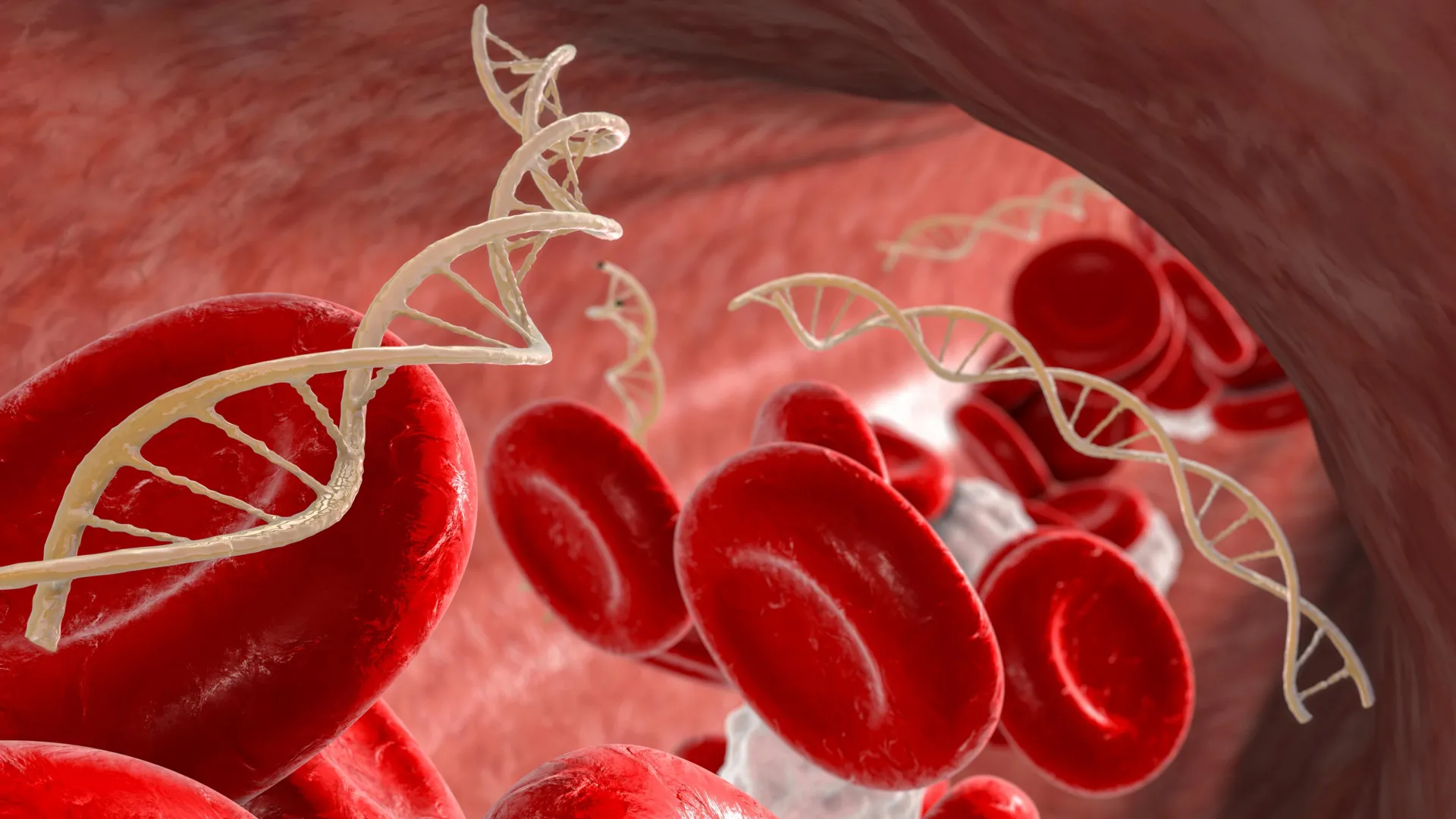
Unlocking the Genome’s Secrets: How “Junk DNA” Could Revolutionize Blood Cancer Treatment
For decades, scientists dismissed nearly half of our DNA as “junk” – non-coding regions with no apparent purpose. But a groundbreaking study from King’s College London is rewriting that narrative, revealing that these so-called transposable elements (TEs) aren’t useless at all. In fact,they represent a novel therapeutic target,offering a potential breakthrough in the treatment of challenging blood cancers like myelodysplastic syndrome (MDS) and chronic lymphocytic leukemia (CLL). Could this be the key to unlocking more effective cancer therapies?
The Challenge of Gene Mutations in Blood Cancers
MDS and CLL are often driven by mutations in crucial genes – specifically, ASXL1 and EZH2. These genes act as master regulators,controlling which genes are switched on or off within our cells. When ASXL1 and EZH2 are damaged, this delicate control system breaks down, leading to uncontrolled cell growth and the growth of cancer.
Customary cancer treatments primarily target the proteins produced by faulty genes. However, a significant hurdle arises when a mutation prevents a gene from producing any protein at all.without a protein target,conventional drugs become ineffective,leaving patients with limited options and a significantly poorer prognosis. This is where the King’s College London research offers a paradigm shift.
from “Junk DNA” to Therapeutic Target: The Role of Transposable Elements
The study, published in the prestigious journal Blood, reveals a surprising connection between these gene mutations and the activation of transposable elements (TEs). These TEs are mobile DNA sequences, capable of moving around the genome. Previously considered evolutionary relics, researchers now understand they play a dynamic role in gene regulation.
When ASXL1 and EZH2 are mutated,TEs become abnormally active. This heightened activity doesn’t simply happen passively; it actively stresses cancer cells and induces DNA damage. This induced vulnerability is the key. It creates a weakness that can be strategically exploited using existing drugs.
PARP Inhibitors: A New Mechanism of Action
The researchers focused on PARP inhibitors – a class of drugs already approved for treating other cancers, like ovarian and breast cancer. PARP inhibitors work by blocking the repair of damaged DNA. However, the King’s College London team discovered that PARP inhibitors function differently when TEs are highly active.
As TEs move within the genome, they generate DNA breaks. Normally, PARP proteins would rush to repair this damage. But when PARP inhibitors block this repair process, the DNA damage accumulates, ultimately leading to cancer cell death. this isn’t the typical mechanism of action seen with PARP inhibitors in other cancers, which usually relies on defects in the BRCA genes.
Confirming the TE Connection: A Crucial Experiment
To definitively prove that the treatment’s effectiveness hinged on TE activity, the researchers conducted a critical experiment. They introduced reverse transcriptase inhibitors – drugs that specifically prevent TEs from copying themselves – into the system. The results were striking: when reverse transcriptase inhibitors were added, the PARP inhibitors lost thier cancer-killing effect. This irrefutable evidence confirmed that the treatment’s success was directly linked to the TE-based mechanism, not the conventional BRCA-related pathway.
A New Era of cancer Treatment?
“This discovery offers new hope for patients with hard-to-treat cancers, by using existing drugs in a fully new way, turning what was once thoght to be useless DNA into a powerful target for treatment,” explains Professor Chi Wai Eric So of King’s College London.
The implications extend beyond MDS and CLL. Researchers believe this principle could be applicable to a broader range of cancers harboring similar gene mutations. Successfully validating this strategy could significantly expand the use of PARP inhibitors, offering more treatment options and improved outcomes for countless patients.
Evergreen Insights: The Evolving Understanding of Non-Coding DNA
The story of ”junk DNA” is a powerful reminder of the ever-evolving nature of scientific understanding. For years, the focus was solely on protein-coding genes. Though, advancements in genomics have revealed the critical roles of non-coding DNA in gene regulation, genome stability, and even cellular development. This research highlights the importance of challenging established dogma and embracing the complexity of the genome. The future of cancer treatment may very well lie in harnessing the power of these previously overlooked regions of our DNA.
Frequently Asked Questions About “Junk DNA” and Cancer Treatment
1. What is “junk DNA” and why was it previously considered useless?
Related reading