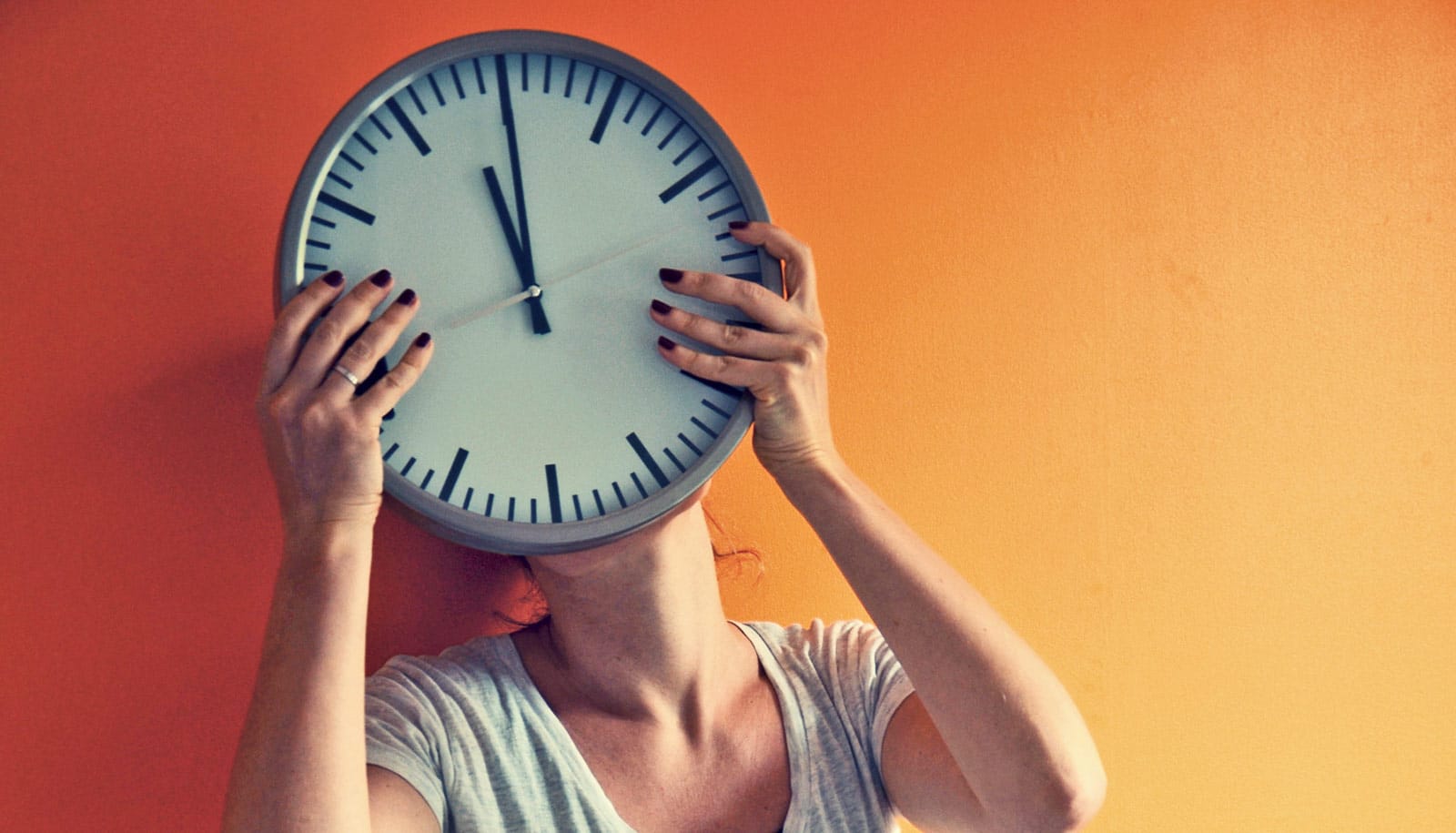
The Body’s Internal Clock & cancer: Why Timing Matters in Treatment
for decades, cancer research has focused on the genetic and biochemical mechanisms driving uncontrolled cell growth. But a growing body of evidence reveals a critical, frequently enough overlooked player: your body’s internal clock, known as the circadian rhythm. This intricate system, governed by a region of the brain called the suprachiasmatic nucleus, orchestrates essential functions like sleep-wake cycles, hormone release, immune response, and metabolism.
Disrupting these rhythms isn’t just about feeling jet-lagged. It can profoundly impact your health,potentially increasing vulnerability to serious diseases – including cancer.
The Emerging Link Between Circadian Rhythms and Cancer
Chi Van Dang, a leading professor of cancer medicine at Johns Hopkins University and CEO of the Ludwig Institute for Cancer Research, is pioneering research into this connection. His work explores how the circadian clock influences tumor biology and,crucially,how we can leverage this knowledge for more effective cancer therapies.
Dr. Dang’s career has been dedicated to unraveling the molecular processes behind cancer development. He’s spent years investigating how cancer cells commandeer normal cellular functions to fuel their rapid growth. Supported by the National Institutes of Health (NIH), his research has yielded key insights into cancer metabolism and the genetic shifts that transform healthy cells into malignant ones.
A Serendipitous Revelation
Dr. Dang’s interest in circadian cancer biology arose from a fascinating molecular observation. While studying MYC, a powerful cancer-driving gene that alters metabolic pathways, he discovered that MYC proteins bind to the same DNA sequences as proteins controlling the circadian clock.
“This overlap immediately raised a question: Could these two systems be interconnected?” Dr. Dang explains.”it’s remarkable how many aspects of our physiology are regulated by our circadian clocks, often without us realizing it. We’re so focused on fighting cancer and developing new treatments, but often overlook the basic role of our internal rhythms.”
Why Timing Could Be Everything
this isn’t just an academic curiosity. Dr. Dang’s research suggests that when you receive cancer treatment could be as important as what treatment you receive.The circadian rhythm influences how cancer cells respond to therapies,and aligning treatment with your body’s natural cycles could substantially improve outcomes.
Federal funding, notably from the NIH, has been instrumental in allowing Dr. Dang to pursue these critical lines of inquiry. His NIH-funded work has already contributed to the development of metabolism-targeting cancer drugs.
“Ongoing federal research support is vital for opening new avenues of investigation and, ultimately, discovering new cures,” he emphasizes. “Our current work on how the circadian clock and diet impact responses to cancer immunotherapy holds immense promise for improving patient care.”
What You Need to Know:
* Your body has a natural rhythm: This rhythm impacts nearly every aspect of your health, including your susceptibility to cancer.
* disruption matters: Factors like shift work, jet lag, and inconsistent sleep schedules can disrupt your circadian rhythm and potentially increase cancer risk.
* Timing is key: The effectiveness of cancer treatments may vary depending on the time of day thay are administered.
* Diet plays a role: The timing of your meals can also influence your circadian rhythm and potentially impact cancer treatment outcomes.
* More research is needed: While the connection between circadian biology and cancer is becoming increasingly clear,further research is essential to fully understand and harness its therapeutic potential.
as Dr. Dang notes, there’s still much to discover. But one thing is clear: understanding and respecting your body’s internal clock is becoming increasingly crucial in the fight against cancer.
Source: https://hub.jhu.edu/2025/10/06/circadian-rhythms-and-cancer-treatments/
Keep reading