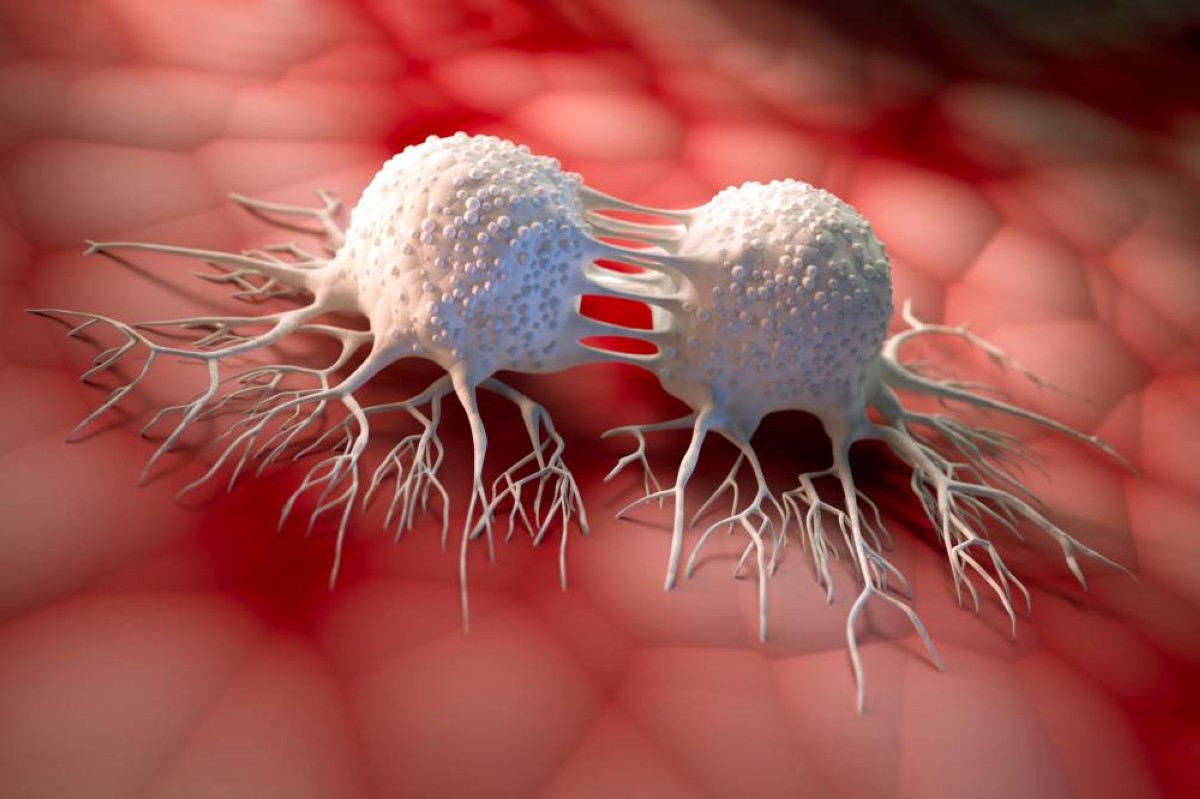
Recent research has revealed a surprising mechanism by which cancer cells adapt to chemotherapy, challenging long-held assumptions about how tumors develop resistance to treatment. Instead of relying solely on random genetic mutations, cancer cells may employ a dynamic, learning-like system to test various survival strategies and retain the most effective ones. This discovery, published in the journal Nature, comes from scientists at NYU Langone Health and the NYU Grossman School of Medicine, offering new insight into the adaptability of malignant cells under therapeutic pressure.
The study centers on a group of proteins known as AP-1, which are transcription factors that rapidly activate in response to cellular stress, including exposure to chemotherapy drugs. Even as AP-1 has been studied for decades, the new findings suggest it plays a more profound role than previously understood—not merely as a passive responder but as an active coordinator of gene expression shifts that allow cancer cells to explore different functional states without altering their DNA sequence permanently.
According to the researchers, this process enables tumor cells to essentially “strive out” multiple cellular configurations under stress, then stabilize those that enhance survival. This behavior resembles an internal learning system, where the cell evaluates outcomes and reinforces adaptive patterns. Such plasticity could explain why some cancers recur quickly after initial treatment success, even when no new mutations are detected.
The implications of this mechanism extend beyond basic biology. If cancer cells can flexibly rewire their gene activity to resist drugs, then targeting the AP-1 network or similar regulatory systems might prevent or delay resistance. Researchers are now exploring whether inhibiting these transcription factors could make existing therapies more effective by limiting the tumor’s ability to adapt.
This line of inquiry aligns with broader efforts in oncology to move beyond attacking cancer cells directly and instead disrupt their capacity to evolve under treatment. Combining traditional chemotherapy with agents that block adaptive responses may improve long-term outcomes, particularly in aggressive or hard-to-treat cancers.
While the study provides compelling laboratory evidence, experts caution that translating these findings into clinical applications will require further validation. Clinical trials targeting transcription factors like AP-1 are still in early stages and researchers emphasize the require to balance efficacy with safety, given the widespread roles these proteins play in normal cellular functions.
Nonetheless, the study marks a significant step in understanding cancer’s resilience. By framing tumor adaptation as a dynamic, responsive process rather than a purely random one, it opens new avenues for intervention. As one researcher noted in the published work, recognizing cancer’s capacity to “learn” from treatment could fundamentally change how we design therapeutic strategies.
For patients and caregivers, this research underscores the importance of ongoing monitoring during and after treatment. It too highlights why combination therapies and adaptive treatment plans are increasingly seen as vital components of modern cancer care.
Looking ahead, the research team plans to investigate whether similar adaptive mechanisms exist across different cancer types and whether they can be detected in patient samples before resistance becomes clinically apparent. Such biomarkers could one day help doctors anticipate relapse and adjust therapy proactively.
As science continues to uncover the sophisticated ways cancer survives treatment, studies like this remind us that overcoming the disease requires not just stronger drugs, but smarter ones—designed to anticipate and block the very mechanisms tumors use to endure.
Stay informed about developments in cancer research and treatment innovation by following trusted medical journals and health news sources. Share your thoughts or questions in the comments below, and help spread awareness by sharing this article with others who may benefit from understanding the evolving science behind cancer therapy.