
A region of the North Atlantic south of Greenland, known as the “cold blob,” is resisting warming trends. Oceanographers report this anomaly can distort the jet stream, creating stagnant weather patterns that intensify extreme heatwaves.
While global sea surface temperatures have reached record highs in recent years, this specific area of the North Atlantic remains an anomaly. The persistence of this cold patch suggests a disruption in the ocean currents that distributes heat.
The Atlantic Meridional Overturning Circulation (AMOC) functions by moving warm, salty water northward, where it cools, sinks, and returns south in the deep ocean. The influx of freshwater from melting Greenland ice sheets reduces the salinity and density of the surface water, preventing it from sinking and effectively slowing the entire circulation system.
This slowdown creates a thermal imbalance. As the AMOC weakens, less heat reaches the subpolar North Atlantic, resulting in the “cold blob” while the surrounding oceans continue to warm. This stark temperature contrast between the cold anomaly and the heating atmosphere alters the behavior of the jet stream, the high-altitude wind current that steers weather systems.
How the Atlantic Cold Blob Triggers Heatwaves
The temperature gradient between the cold blob and the warmer surrounding air influences the path and stability of the jet stream. When the gradient is disrupted, the jet stream can lose its linear momentum and begin to meander in large, slow-moving waves known as Rossby waves.
These meanders can lead to “atmospheric blocking,” where a high-pressure system becomes stationary over a region for days or weeks. These blocking patterns trap hot air in place, preventing cooler air from moving in and resulting in prolonged, intense heatwaves. This mechanism explains why a cold patch in the ocean can paradoxically contribute to extreme heat on land.
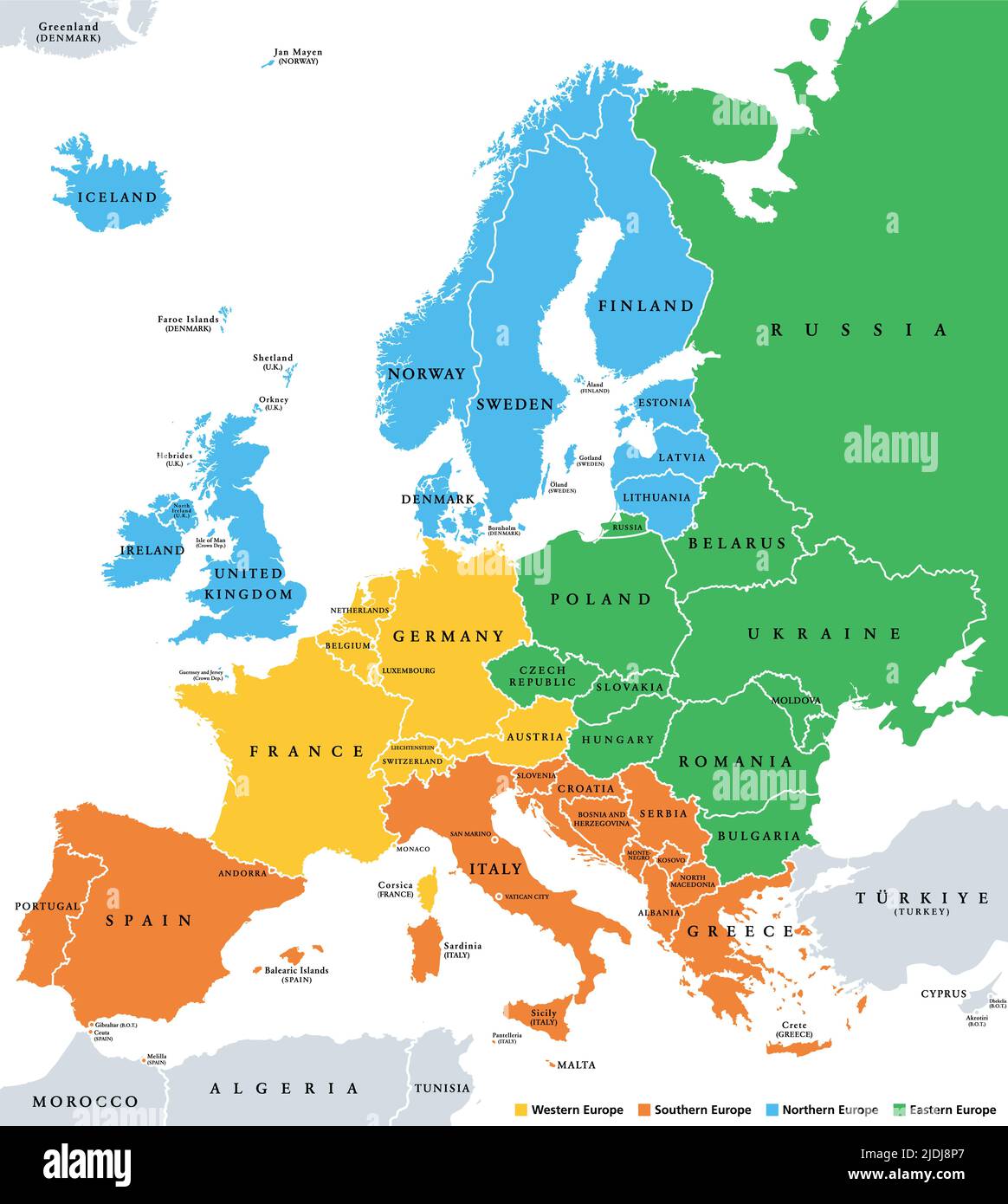
The impact is most pronounced in Europe and North America. When the jet stream buckles, it can pull warm air and lock it over regions, increasing the frequency and duration of “canicule” or extreme heat events.
The Role of Greenland’s Ice Melt
The primary driver of the cold anomaly is the accelerated melting of the Greenland Ice Sheet. As glaciers melt, they release massive quantities of freshwater into the North Atlantic. Because freshwater is less dense than saltwater, it sits on the surface and inhibits the vertical mixing necessary for the AMOC to function.

The North Atlantic has experienced significant shifts in salinity and temperature. This freshening of the North Atlantic is a critical component in the weakening of the thermohaline circulation, which relies on the sinking of cold, salty water in the Labrador and Nordic Seas.
If the AMOC continues to weaken, the cold blob may expand or shift, further destabilizing regional climates. A significant slowdown would lead to drastic changes in precipitation and temperature patterns globally.
Comparing Ocean Heat Records and the Cold Anomaly
The contrast between the cold blob and general ocean trends highlights the complexity of climate feedback loops. The Atlantic has been hitting heat records, yet the subpolar gyre south of Greenland remained stubbornly cool.
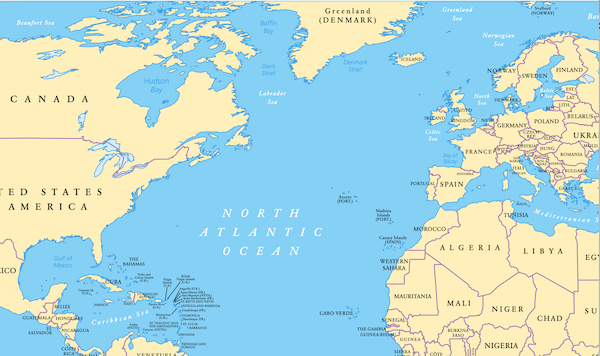
This disparity creates a “thermal dipole” that drives atmospheric instability. While the rest of the Atlantic absorbs excess heat, the cold blob acts as a localized brake on warming, which ironically fuels the atmospheric conditions required for extreme weather extremes elsewhere.
Oceanographers utilize a network of Argo floats—autonomous robotic probes—to monitor these changes. These probes provide data on temperature and salinity, allowing researchers to track the depth and intensity of the cold anomaly.
What Happens Next for the North Atlantic
Researchers are currently focusing on whether the AMOC has reached a “tipping point,” a threshold beyond which the circulation cannot recover. Monitoring the cold blob serves as a primary indicator of the system’s health.

The scientific community is awaiting further data to determine if the current slowing trend is accelerating. These observations are critical for improving the accuracy of seasonal weather forecasts and long-term climate projections.
The next major checkpoint for these findings will be the integration of updated North Atlantic salinity data into global climate models, which aim to better predict the frequency of atmospheric blocking events and their link to oceanic anomalies.
Do you believe climate monitoring is keeping pace with these rapid oceanic changes? Share your thoughts in the comments below.
Worth a look