Beyond THC: Uncovering the Hidden phenolic Power of Cannabis - A New Era of Biomedical Research
For decades, Cannabis research has largely centered on its psychoactive cannabinoids – compounds like THC and CBD. though, a groundbreaking study from Stellenbosch University (SU) is shifting the focus, revealing a surprisingly rich and complex world of Cannabis phenolics, including the first-ever evidence of rare flavoalkaloids within the plant’s leaves. This discovery isn’t just an academic curiosity; it opens exciting new avenues for biomedical research and a re-evaluation of Cannabis plant material frequently enough considered agricultural waste.What are Phenolics and Why Do They Matter?
Phenolic compounds are a diverse group of plant metabolites renowned for their potent biological activities. They act as the plant’s natural defense system, protecting it from environmental stressors like UV radiation and pathogens. Crucially for human health, many phenolics exhibit powerful antioxidant, anti-inflammatory, and even anti-carcinogenic properties. Flavonoids, a well-known subclass of phenolics, are already widely utilized in the pharmaceutical, nutraceutical, and cosmetic industries.
But the story doesn’t end with flavonoids. A rarer, less studied group – flavoalkaloids - are now emerging as compounds of significant interest. These compounds, historically challenging to detect due to their low concentrations and complex chemical structures, are now being brought to light thanks to advancements in analytical chemistry.The Stellenbosch University Breakthrough: Identifying a Hidden Chemical Landscape
Researchers at SU, led by Prof. André de Villiers and spearheaded by analytical chemist Dr. Magriet Muller, meticulously analyzed three commercially grown Cannabis strains in South Africa. Utilizing cutting-edge techniques – comprehensive two-dimensional liquid chromatography coupled with high-resolution mass spectrometry – they identified a staggering 79 phenolic compounds. Remarkably,25 of these had never before been reported in Cannabis.
The most significant finding? The tentative identification of 16 compounds as flavoalkaloids,predominantly concentrated in the leaves of a single Cannabis strain. This represents the first definitive evidence of these rare compounds existing within the cannabis plant.”Most plants contain highly complex mixtures of phenolic compounds, and while flavonoids occur widely in the plant kingdom, the flavoalkaloids are very rare in nature,” explains Dr.Muller.”we certainly know that Cannabis is extremely complex – it contains more than 750 metabolites – but we did not expect such high variation in phenolic profiles between only three strains, nor to detect so many compounds for the first time in the species.”
The Power of Advanced Analytical Techniques
The success of this research hinges on the refined analytical methods developed by Dr. Muller during her postgraduate studies. Initially honed on samples like rooibos tea, grapes, and wine, these techniques proved ideally suited to unraveling the complexities of Cannabis phenolics.
“We were looking for a new application for the methods that I developed,” Dr. Muller states. ”I then decided to apply the methods to cannabis as I knew it was a complex sample,and that Cannabis phenolics have not been well characterised.”
Prof. de villiers emphasizes the crucial role of two-dimensional liquid chromatography. ”The excellent performance…allowed separation of the flavoalkaloids from the much more abundant flavonoids, which is why we were able to detect these rare compounds for the first time in Cannabis.”
Implications for Biomedical Research and Waste Valorization
This discovery has profound implications. Historically, Cannabis research has been heavily skewed towards understanding the effects of cannabinoids on mood and cognition. The SU study underscores the untapped potential of the plant’s non-cannabinoid constituents, particularly its phenolic profile.
“Our analysis again highlights the medicinal potential of Cannabis plant material, currently regarded as waste,” Prof. de Villiers concludes. “Cannabis exhibits a rich and unique non-cannabinoid phenolic profile,which could be relevant from a biomedical research perspective.”
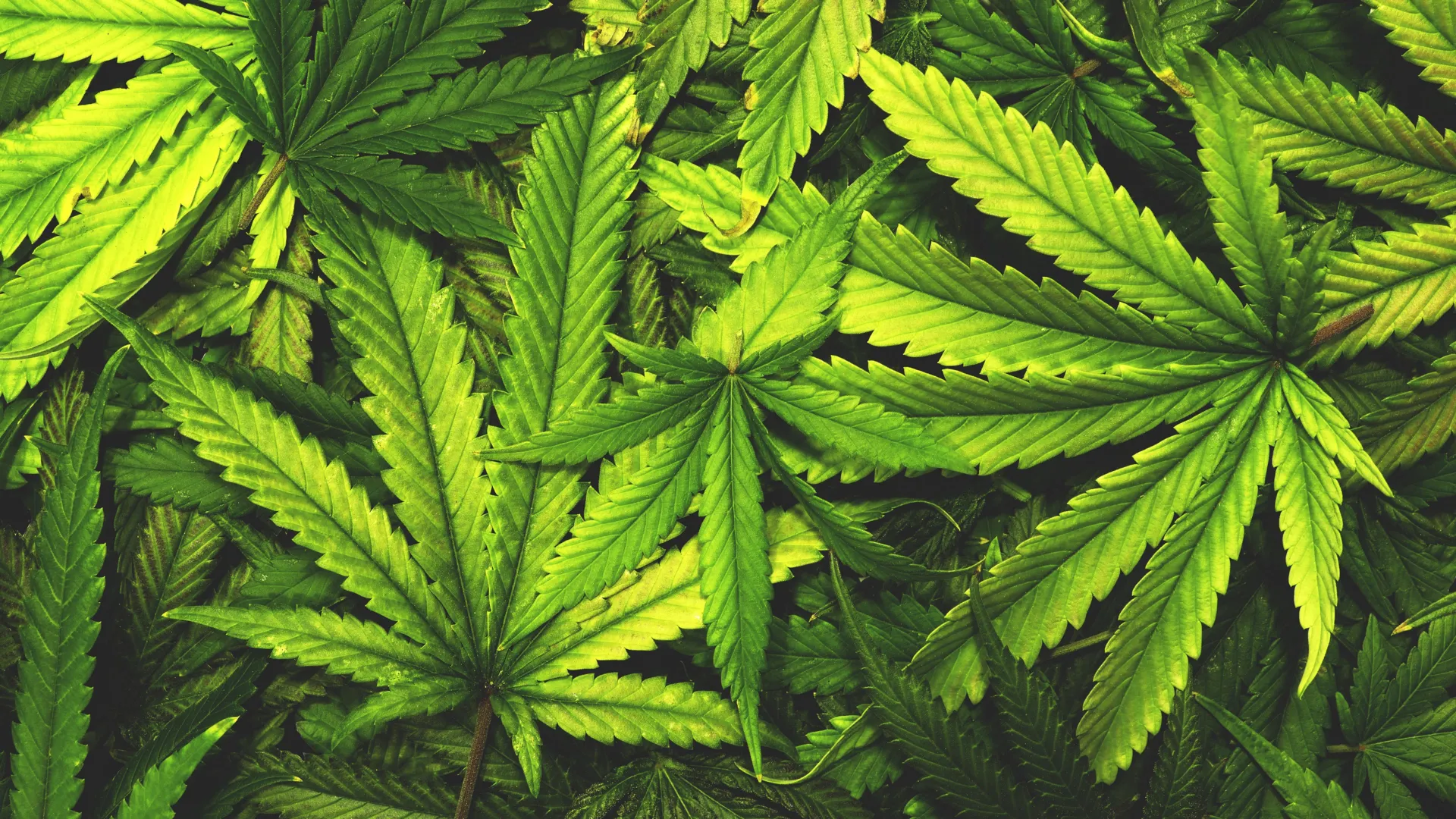
this opens the door to exploring the potential of Cannabis leaves – frequently enough discarded after harvest – as a source of valuable bioactive compounds. Further research could investigate the specific therapeutic properties of these flavoalkaloids and other identified phenolics, possibly leading to novel treatments for a range of conditions.
Looking Ahead: A New Chapter in Cannabis Science
The Stellenbosch University study is a pivotal moment in Cannabis science. It demonstrates that our understanding of this complex plant is far from complete. By shifting the focus beyond cannabinoids and embracing a holistic
Keep reading