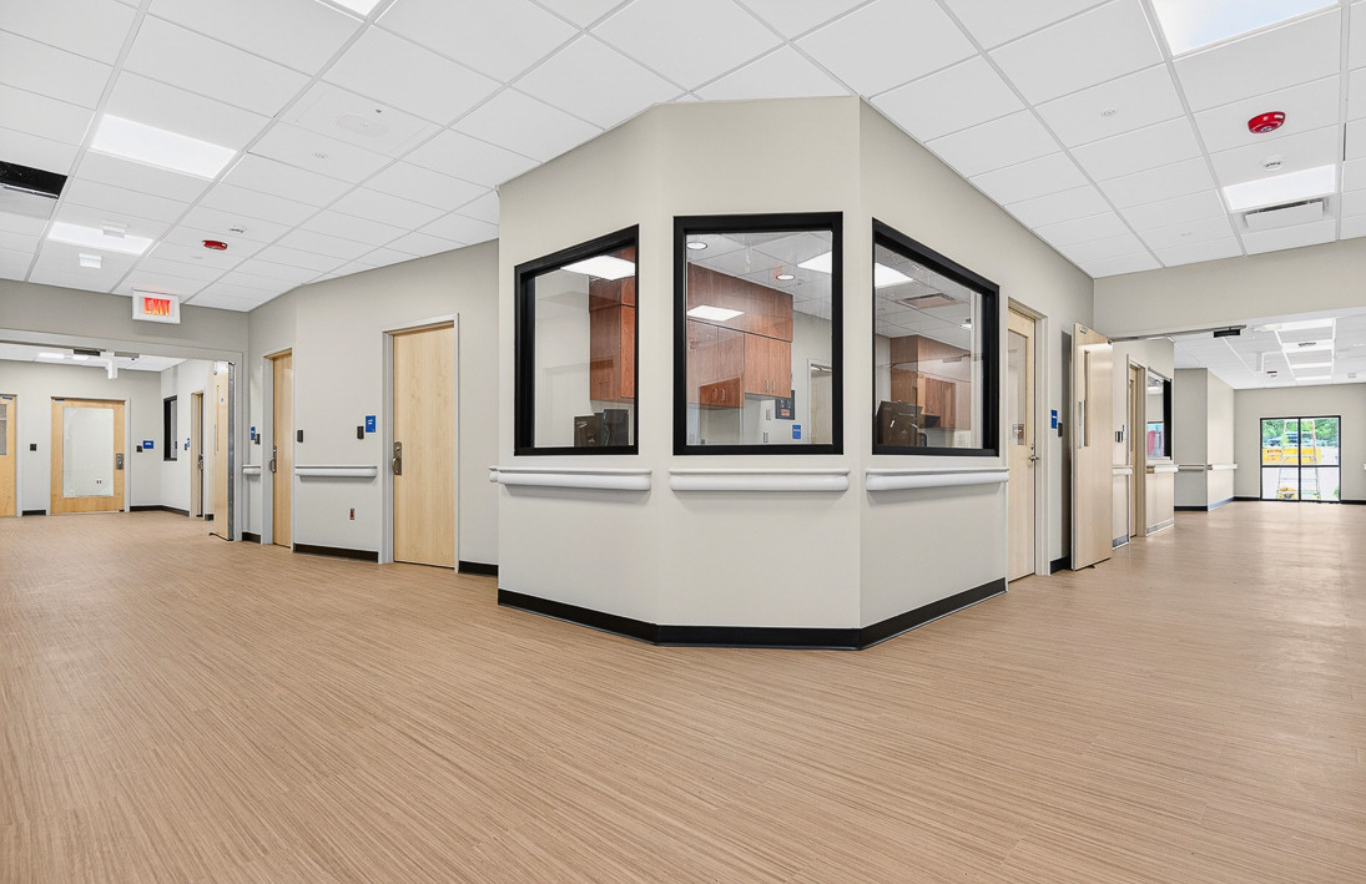
LILLINGTON, N.C. — In a critical step toward addressing North Carolina’s youth mental health crisis, Cape Fear Valley Health has officially opened its first dedicated adolescent behavioral health facility, marking a significant expansion of specialized inpatient care for young people aged 12 to 17. The Cape Fear Valley Dorothea Dix Adolescent Care – Lillington unit, a 8,843-square-foot freestanding center located on Central Harnett Hospital’s campus, represents a targeted response to the growing demand for pediatric psychiatric services in the region.
With 21 inpatient beds and a multidisciplinary treatment team, the facility offers a comprehensive approach to adolescent mental health care that includes individual therapy, family counseling, and evidence-based skill-building programs. What sets this center apart is its focus on reducing the prolonged emergency department waits that have become a hallmark of North Carolina’s behavioral health system, where dozens of youth remain in hospitals daily under involuntary commitment holds while awaiting appropriate placement.
The opening comes as North Carolina continues to grapple with one of the nation’s most severe youth mental health crises. According to the North Carolina Department of Health and Human Services, the state has seen a 40% increase in adolescent psychiatric hospitalizations since 2019, with rural areas like Harnett County experiencing particularly acute shortages of specialized care. The new facility aims to serve not only local families but also those from surrounding military communities including Fort Bragg and Fayetteville.
Why This Facility Matters: Addressing a Critical Gap in Care
The Dorothea Dix Adolescent Care unit represents a strategic investment in preventive mental health care for adolescents. Unlike traditional psychiatric units that often focus solely on crisis stabilization, this facility integrates:
- Developmentally appropriate therapy: Programs designed specifically for the cognitive and emotional needs of adolescents
- Family-centered treatment: Involving parents and guardians in the therapeutic process to support long-term recovery
- Community transition planning: Connecting youth with outpatient services and support networks upon discharge
- Evidence-based interventions: Including cognitive behavioral therapy, dialectical behavior therapy, and trauma-informed care
The facility’s design reflects this holistic approach, featuring specialized spaces including a group therapy room, outdoor recreation area, and quiet activity room where adolescents can engage in both structured and self-directed therapeutic activities. This environment contrasts with the often sterile hospital settings that can exacerbate anxiety in vulnerable youth.
Key Statistics:
- 21 inpatient beds dedicated exclusively to adolescents aged 12-17
- Typical stay duration: 3-5 days focused on stabilization and skill-building
- Serves Harnett County and surrounding regions including Fayetteville (20 miles), Raleigh (50 miles), and Fort Bragg (15 miles)
- Designed to reduce emergency department boarding by providing immediate access to specialized care
Breaking Down the Barriers to Adolescent Mental Health Care
One of the most significant challenges in North Carolina’s mental health system has been the disparity between emergency department presentations and available inpatient beds. According to data from the North Carolina Health News, the state has seen:

- A 300% increase in involuntary commitments of minors in the past five years
- Average ED wait times of 48-72 hours for psychiatric beds in high-demand regions
- Only 12% of North Carolina counties with dedicated adolescent psychiatric inpatient units
The new facility directly addresses these challenges by:
- Reducing transfer times: Located on Central Harnett Hospital’s campus, the unit can accept patients directly from local emergency departments
- Expanding regional access: Its central location serves as a hub for families from multiple counties
- Implementing a streamlined intake process: Designed to minimize administrative delays that often prolong hospital stays
“This is going to help keep kids out of our Emergency Department and get them the help they need.”
The facility’s name, Dorothea Dix Adolescent Care, pays homage to the pioneering mental health advocate who fought for humane treatment of the mentally ill in the 19th century. This connection underscores the center’s commitment to both modern evidence-based practices and the long-term well-being of the adolescents it serves.
Who Benefits from This New Facility?
The Dorothea Dix Adolescent Care unit is designed to serve several key populations:
- Adolescents experiencing psychiatric crises: Those requiring short-term stabilization before transitioning to outpatient care
- Youth with complex diagnoses: Including mood disorders, anxiety disorders, trauma-related conditions, and early-onset psychosis
- Military-connected families: Serving children of service members stationed at Fort Bragg and other nearby installations
- Families from rural communities: Providing access to specialized care that might otherwise require travel to urban centers
- Caregivers and support networks: Offering education and resources to help families navigate mental health challenges
An vital aspect of the facility’s mission is its focus on preventive care. While many adolescent psychiatric units focus solely on crisis intervention, the Dorothea Dix center incorporates:
- Early intervention strategies to prevent hospitalization
- Family psychoeducation programs
- School liaison services to support academic continuity
- Connection to community-based mental health resources
The Facility’s Design: Healing Spaces for Young Minds
The architectural design of the facility reflects current best practices in adolescent mental health care. Key features include:
- Private rooms with natural light: Designed to reduce anxiety and promote restful sleep
- Secure outdoor spaces: Including a recreation area for physical activity and mindfulness practices
- Multipurpose therapy rooms: Equipped for individual, group, and family sessions
- Quiet zones: For adolescents who need sensory regulation or alone time
- Family meeting spaces: Encouraging parent involvement in treatment planning
The facility was developed through a partnership between Cape Fear Valley Health and Robins & Morton, with architectural design by McMillan Pazdan Smith Architecture. The construction reflects a thoughtful approach to creating environments that support both clinical needs and emotional well-being.
Addressing the Broader Mental Health Crisis in North Carolina
The opening of this facility comes at a pivotal moment for North Carolina’s mental health system. While the Dorothea Dix center represents an important local solution, state leaders continue to work on broader systemic changes, including:
- Expansion of community mental health services: Increasing access to outpatient therapy and medication management
- School-based mental health programs: Integrating counselors and social workers into educational settings
- Workforce development initiatives: Addressing shortages of child and adolescent psychiatrists
- Insurance coverage reforms: Ensuring adequate reimbursement rates for adolescent mental health services
According to the North Carolina General Assembly, lawmakers have allocated $120 million in the 2025-26 budget specifically for youth mental health initiatives, including:
- Grants for local mental health programs
- Funding for mobile crisis teams
- Support for residential treatment facilities
- Training for first responders in mental health interventions
While these state-level efforts are promising, local initiatives like the Dorothea Dix center play a crucial role in providing immediate relief to families in need. The facility’s location in Harnett County—home to both rural communities and military families—makes it particularly well-positioned to serve diverse populations.
What Families Should Know: Accessing Care at Dorothea Dix
Families seeking information about the new facility can contact Cape Fear Valley Health through several channels:

- Phone: (910) 695-5000 (Central Harnett Hospital main line)
- Website: Cape Fear Valley Health
- Email: [email protected]
- Location: 100 Hospital Avenue, Lillington, NC 27546
The intake process typically begins with a consultation with a mental health professional to determine the appropriate level of care. For families experiencing a psychiatric crisis, the facility works closely with local emergency departments to facilitate timely transfers.
An important note for military families: The facility accepts TRICARE insurance and works with military treatment facilities to coordinate care for service members’ children. This partnership is particularly valuable given the high prevalence of mental health challenges among military-connected youth.
Need Immediate Help? If you’re experiencing a mental health crisis, please contact:
- National Suicide Prevention Lifeline: 988
- Crisis Text Line: Text HOME to 741741
- North Carolina’s 211 Information Line: Dial 211 or visit nc211.org
Looking Ahead: The Future of Adolescent Mental Health Care
While the Dorothea Dix Adolescent Care facility represents an important milestone, its success will depend on several factors:
- Sustained funding: Ensuring the facility can maintain operations and expand services as needed
- Workforce development: Training enough specialized staff to meet demand
- Community integration: Building strong connections with schools, primary care providers, and other support systems
- Data collection: Tracking outcomes to demonstrate the facility’s impact on youth mental health
Cape Fear Valley Health has indicated plans to evaluate the facility’s performance within the first year of operation, with particular attention to:
- Reduction in emergency department boarding times
- Improvement in patient outcomes and readmission rates
- Family satisfaction with the care experience
- Expansion potential based on community needs
The next official update from Cape Fear Valley Health regarding the facility’s operations and impact is expected in June 2027, when the initial performance metrics will be released. Families interested in staying informed can subscribe to updates through the health system’s website or contact their local behavioral health providers.
Share Your Story
Has this new facility impacted your family or community? We welcome your experiences and insights. Share your story or leave a comment below to help others understand how adolescent mental health services are evolving in North Carolina.
Like this article? Help spread the word by sharing on:
Worth a look