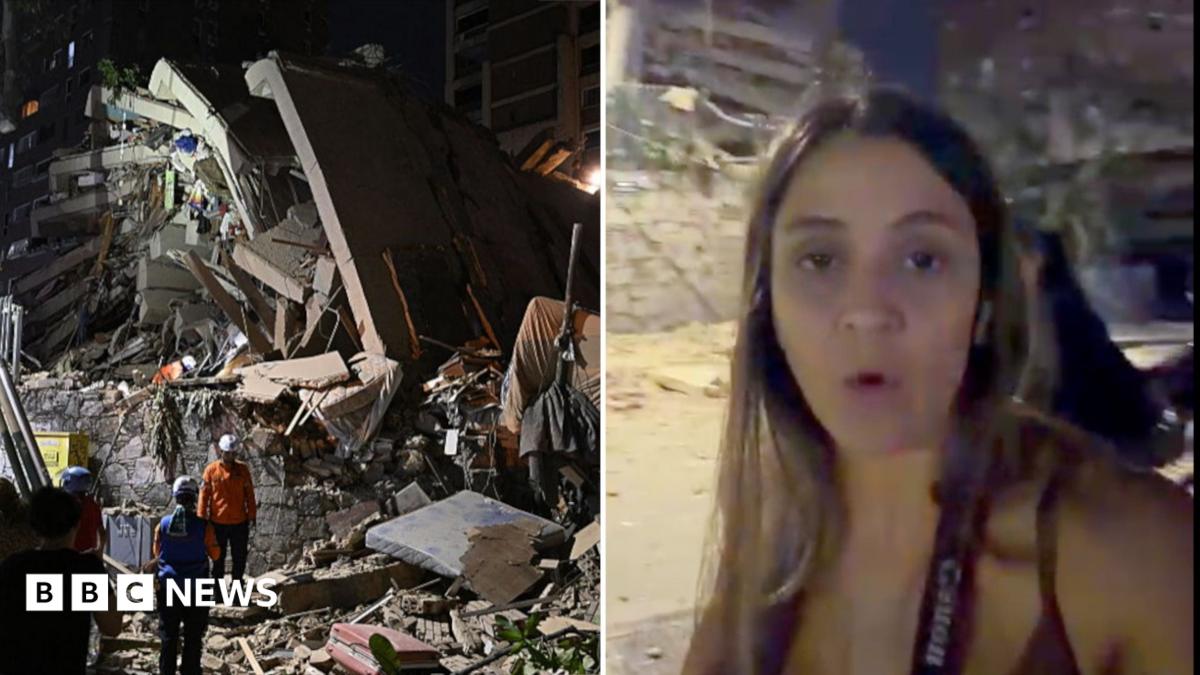
Residents in Caracas and surrounding regions are grappling with the aftermath of a significant seismic event that struck northern Venezuela, causing structural damage and widespread alarm. While official reports from the Venezuelan Foundation for Seismological Research (FUNVISIS) continue to assess the magnitude and epicenter, local emergency services have initiated rescue operations in areas where building collapses were reported. The incident has prompted widespread concern among the populace, with many survivors describing the sudden onset of tremors as a moment of profound vulnerability.
The tremor, which rattled the capital and neighboring states, sent thousands into the streets as office buildings and residential complexes were evacuated. According to the Venezuelan Foundation for Seismological Research (FUNVISIS), the country is situated in a complex tectonic zone, making it susceptible to frequent seismic activity. Emergency responders are currently working to clear debris and reach individuals who may be trapped, though the full extent of the casualties remains under investigation by the Ministry of Interior, Justice, and Peace.
The Human Impact of the Caracas Earthquake
For those caught in the city center when the ground began to shake, the experience was marked by confusion and the immediate instinct for survival. Survivors interviewed in the capital described the sound of shifting concrete and the swaying of high-rise structures. One resident, who was working in an office building in downtown Caracas, stated they felt the floor buckle beneath them, describing the fear that the structure would not hold. These accounts are consistent with the reports of structural instability in older neighborhoods where infrastructure has seen limited maintenance in recent years, as noted by the United States Geological Survey (USGS) regarding regional seismic risks.

Emergency management protocols were activated shortly after the initial shock, with authorities urging citizens to move to open spaces and avoid using elevators. The psychological impact on the capital’s residents is significant, as the event serves as a reminder of the fragility of urban infrastructure in a region that has faced years of economic instability, which has often hindered large-scale seismic retrofitting efforts. The government has encouraged citizens to monitor official social media channels for updates on safety zones and shelter locations.
Infrastructure and Seismic Preparedness
The structural integrity of buildings in Caracas has long been a point of discussion among urban planners and civil engineers. Many buildings in the metropolitan area were constructed before the implementation of updated seismic building codes. According to the United Nations Office for Disaster Risk Reduction (UNDRR), urban centers in high-seismic zones require rigorous enforcement of building standards to mitigate the risk of collapse during moderate to large tremors. The current situation has highlighted the gap between existing infrastructure and international safety standards.
Rescue teams are currently utilizing specialized equipment to detect movement within the rubble of collapsed structures. The speed of these operations is critical, as the “golden hour”—the period immediately following a disaster where the likelihood of survival is highest—is rapidly closing. Civil protection agencies, known locally as Protección Civil, are coordinating with volunteer groups to provide medical aid and structural assessments to the affected districts. Residents are cautioned against re-entering buildings until official inspectors have cleared them for safety.
What Happens Next: Monitoring and Recovery
As the primary seismic activity subsides, the focus for authorities shifts toward preventing secondary disasters, such as gas leaks or electrical fires caused by damaged utility lines. The Venezuelan government has announced that it will conduct a comprehensive survey of the affected areas to determine the number of displaced families and the total economic cost of the damage. For residents, the immediate future involves waiting for assessments on whether their homes are habitable, a process that officials state will take several days to complete.

The next official briefing is expected from the Venezuelan Ministry of Interior, Justice, and Peace, which will provide updated figures on casualties and the status of structural inspections. Citizens are encouraged to follow the official FUNVISIS Twitter account for real-time alerts regarding aftershocks. As recovery efforts continue, the city remains on high alert, with community organizations mobilizing to provide water and basic supplies to those who have been displaced by the damage. We invite readers to share their experiences or information regarding local aid initiatives in the comments section below.
Keep reading