
Republican senators are navigating renewed friction with President Donald Trump following a series of legislative disputes that have strained the relationship between the White House and Capitol Hill. The tension, which spilled into a closed-door lunch meeting on Wednesday, centers on the President’s vocal opposition to a bipartisan resolution regarding U.S. military presence and disagreements over pending housing legislation. According to Reuters, these developments highlight the ongoing volatility in the legislative process as the administration seeks to assert control over the GOP-led Senate agenda.
The core of the current discord involves the President’s public and private rejection of a legislative package intended to address housing costs, a measure that had previously garnered support from various Republican lawmakers. This policy disagreement was compounded by a separate, successful Senate resolution that challenged the President’s authority regarding the withdrawal of U.S. forces from international conflict zones. The intersection of these two issues—fiscal policy and executive war powers—has forced Senate leadership to recalibrate their approach to working with the executive branch as they look toward the remainder of the legislative session.
Policy Disputes and Legislative Gridlock
The legislative friction intensified after the President signaled his intent to veto or withhold support for a housing bill that had been viewed as a priority for several GOP moderates. Housing policy, particularly regarding interest rates and federal subsidies, remains a point of contention as the Federal Reserve continues to navigate inflationary pressures that influence the broader economy. Legislative analysts note that the President’s refusal to back the bill caught many in his own party off guard, as the measure was designed to provide relief for residential development costs, a key economic metric for mid-term stability.
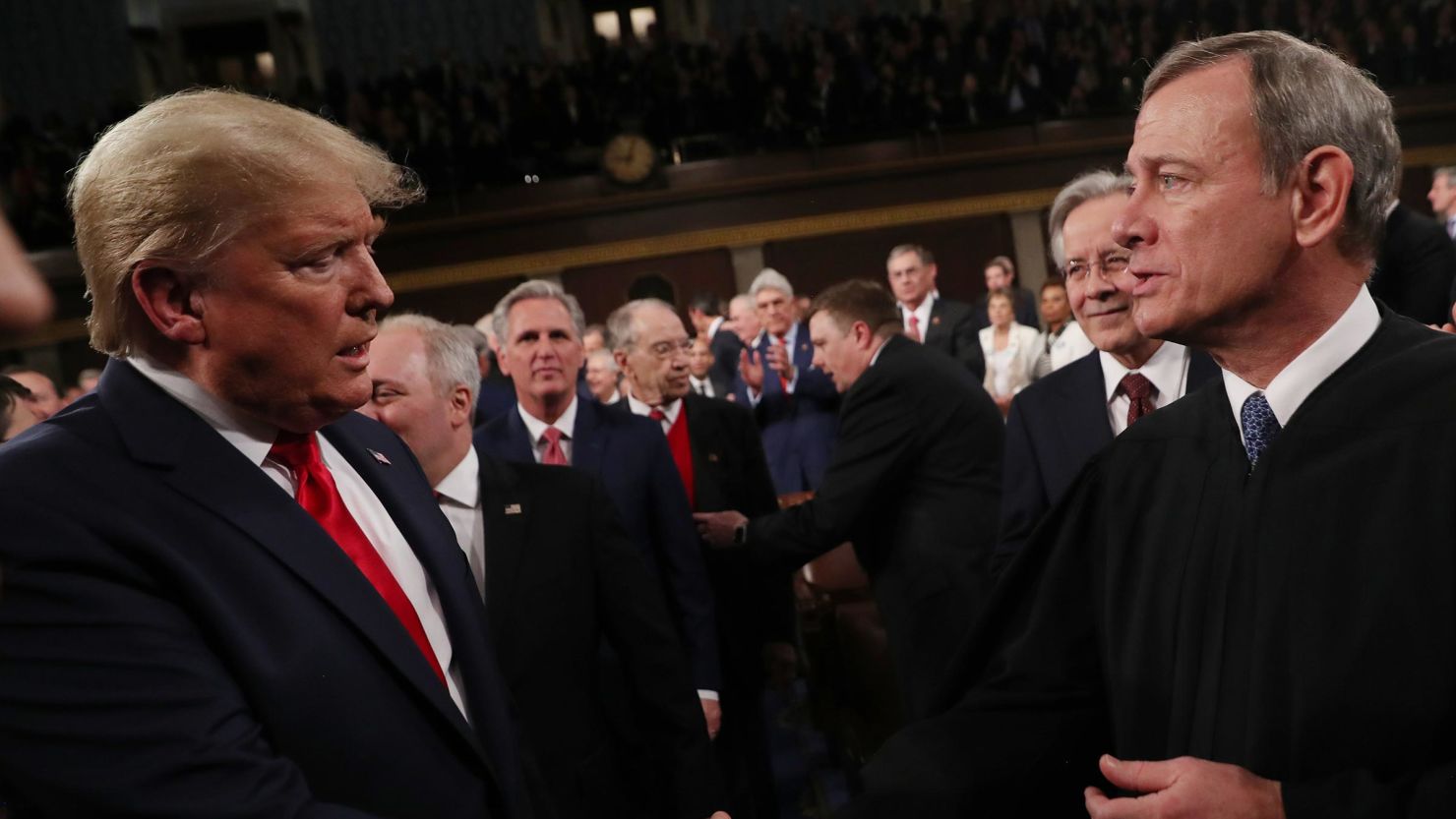
Simultaneously, the Senate’s recent vote to pass a resolution directing the withdrawal of U.S. forces from specified foreign territories has created a constitutional flashpoint. Under the War Powers Resolution of 1973, Congress maintains the authority to check the President’s ability to engage in hostilities without a formal declaration of war. The administration has characterized the Senate’s move as an encroachment on executive privilege, leading to the sharp verbal exchanges reported by lawmakers who were present at the Wednesday luncheon.
The Dynamics of the GOP Senate Lunch
The atmosphere inside the Wednesday lunch meeting was described by multiple attendees as contentious, with the President directly confronting senators over their voting records on the military resolution. The political stakes are high for both sides; while the White House seeks to maintain a unified front, the Senate is attempting to assert its role as an independent branch of government. This balancing act is particularly difficult given the upcoming election cycles, where both chambers of Congress and the White House are focused on maintaining their respective electoral bases.
Senator John Thune, the Senate Majority Leader, has been tasked with managing these internal pressures while ensuring that the legislative calendar does not stall entirely. The challenge for leadership is to avoid a permanent rift that could jeopardize future judicial confirmations and tax policy negotiations. According to data provided by the U.S. Senate, the pace of legislative activity often slows significantly when the executive and legislative branches engage in public disputes, as members become more cautious about their public voting records.
What Happens Next in the Senate
The immediate next step for the Senate involves a series of procedural votes intended to gauge the appetite for overriding potential vetoes or finding a compromise on the housing legislation. Senate leadership is expected to hold discussions with White House representatives later this week to determine if a middle ground can be reached. The outcome of these negotiations will likely determine the legislative output for the remainder of the fiscal year.

For observers of global markets, the stability of U.S. domestic policy remains a primary indicator of economic health. As the administration and Congress work to resolve these differences, the focus will remain on the potential for a government shutdown or the failure to pass must-pass budget appropriations. The public is encouraged to monitor the official Congress.gov portal for real-time updates on bill status and committee hearings. We invite our readers to share their analysis on how these political maneuvers might influence the national economy in the comments section below.
Keep reading