
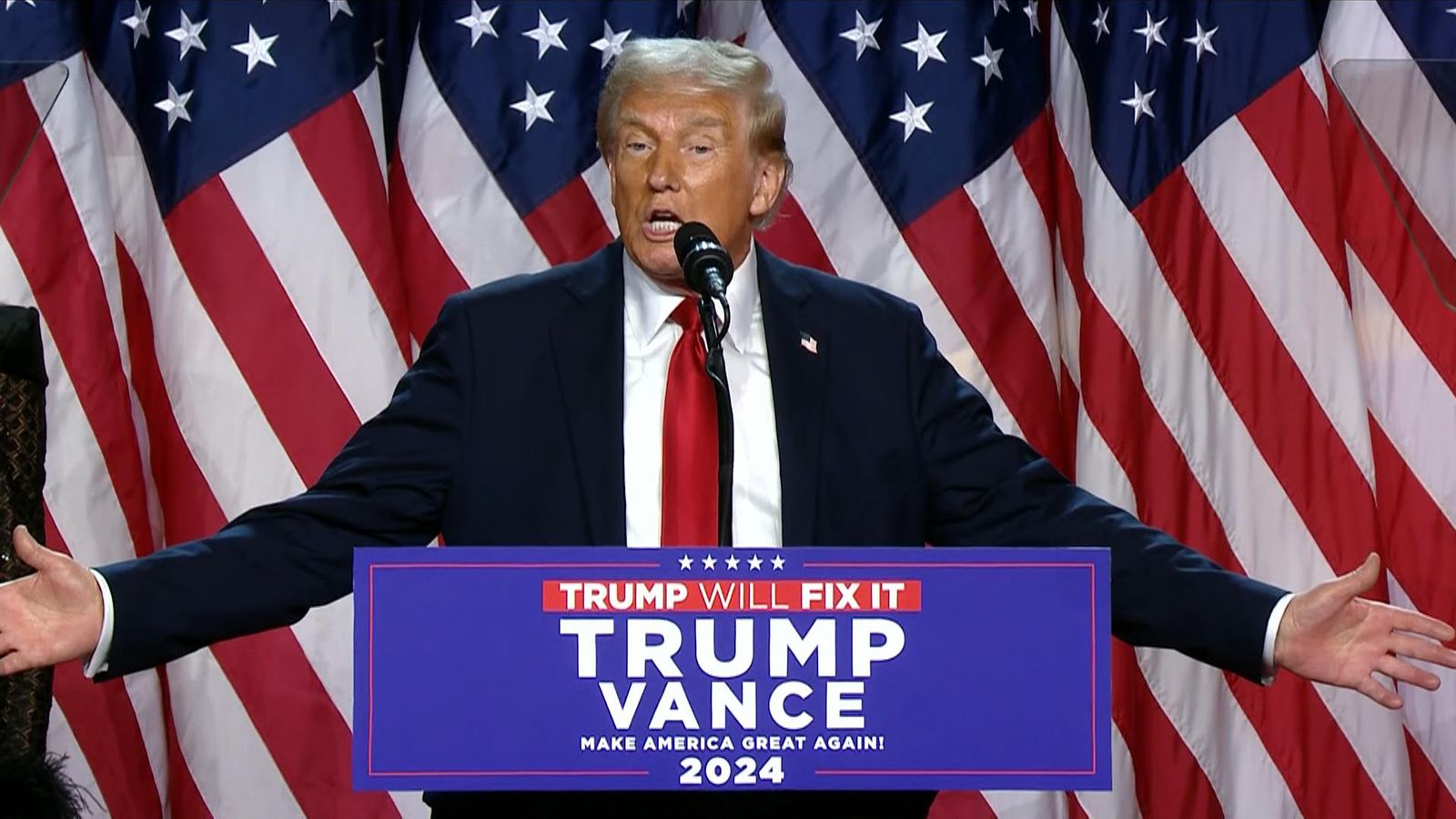
United States President Donald Trump formally inaugurated the lead-up to the nation’s 250th anniversary celebrations during a speech at the National Mall, declaring, “America is back.” The event, held in the heart of Washington, D.C., served as an early launch for the Semiquincentennial commemorations, which will culminate in 2026. This proclamation comes as the administration begins a series of initiatives focused on national heritage and infrastructure projects tied to the upcoming milestone, according to official White House statements.
The sentiment expressed by the President reflects a broader policy shift toward emphasizing domestic renewal and historical pride as the U.S. approaches its 250th year of independence. The Semiquincentennial, often referred to as “America250,” is a multi-year effort authorized by Congress under the United States Semiquincentennial Commission Act of 2016, which established a bipartisan commission to plan and coordinate commemorative activities across the country.
Historical Context and the Semiquincentennial Commission
The planning for the 250th anniversary, marking the 1776 signing of the Declaration of Independence, involves a complex coordination between federal agencies, state governments, and private organizations. As reported by the U.S. Semiquincentennial Commission, the initiative aims to engage all 50 states and territories in a series of cultural, educational, and civic events. The commission, composed of 16 private citizens, four members of the U.S. House of Representatives, and four members of the U.S. Senate, is tasked with ensuring the anniversary is observed in a manner that reflects the nation’s diverse history.

The President’s recent address at the National Mall serves to amplify the visibility of these preparations. By choosing a location synonymous with American governance and public assembly, the administration signaled a focus on institutional continuity. This approach contrasts with previous anniversary celebrations, such as the Bicentennial in 1976, which saw a decentralized mix of local festivals and a massive federal effort to restore historical sites, as documented in National Archives records.
Strategic Focus on National Identity
Beyond the symbolic weight of the “America is back” slogan, the administration’s focus on the 250th anniversary includes a push for infrastructure improvements in Washington, D.C. and at significant national landmarks. This strategy is intended to ensure that the physical landscape of the capital reflects the gravity of the upcoming milestone. According to the National Park Service, which manages the National Mall, planning for high-traffic events in 2026 requires significant logistical coordination to accommodate millions of expected visitors.
Political analysts note that the rhetoric surrounding the anniversary is often used to unify national sentiment, though the interpretation of American history remains a subject of intense public debate. The commission’s mandate includes a requirement to represent the “diverse and inclusive” history of the United States, a point of emphasis for both Democratic and Republican stakeholders involved in the legislative framework of the celebration, as noted in the statutory language of the 2016 Act.
What Happens Next in the Commemoration Timeline
The lead-up to July 4, 2026, involves several key milestones for the public and the federal government. The Semiquincentennial Commission is required to provide periodic progress reports to the President and Congress regarding the status of planned projects and funding allocations. These reports are publicly accessible via the official commission portal, which serves as the primary repository for information regarding upcoming regional events and educational partnerships.
For those interested in participating or tracking the progress of these initiatives, the commission has established a framework for state-level committees to submit proposals for local commemorations. These committees act as the primary liaison between local municipalities and the federal planning body. Further details regarding official ceremonies and the unveiling of specific monuments or restoration projects will be announced by the White House press office in the months preceding the major anniversary dates.
/national-mall-56a236b35f9b58b7d0c7f6ad.jpg "What Happens Next in the Commemoration Timeline")
As the nation moves toward the 2026 milestone, the focus remains on balancing the celebration of historical milestones with the ongoing management of national civic institutions. The administration has indicated that further announcements regarding the 250th anniversary will be made as part of the standard federal budget and cultural planning cycle. Readers are encouraged to monitor official government websites for updates on event schedules and public access to the National Mall during the lead-up to the anniversary.
What are your thoughts on how the U.S. should mark its 250th anniversary? Join the conversation in the comments section below and share this report with your network to keep the discussion going.
Worth a look