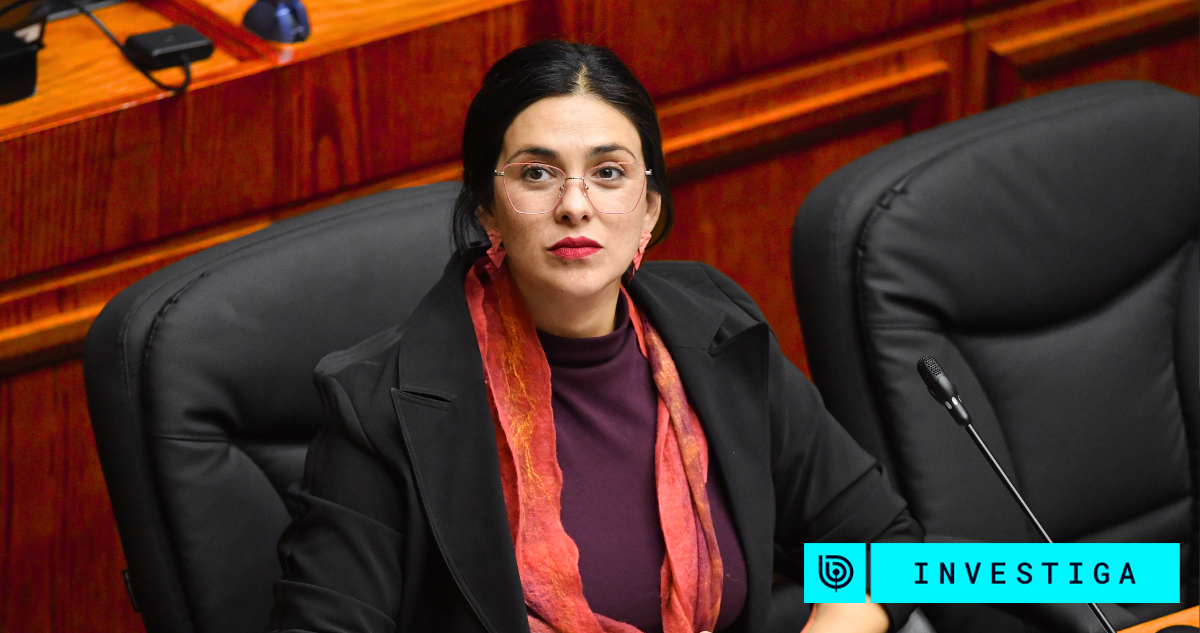
Chilean lawmaker Karina Cariola has accumulated a debt of approximately 28 million Chilean pesos regarding a property in the Providencia district of Santiago, according to reports from BioBioChile. The financial dispute involves a transaction with Bo Yang, the previous owner of the apartment, and centers on outstanding payments for the real estate asset.
The case has drawn scrutiny due to Cariola’s role as a prominent member of the Communist Party and her position within the Chilean Congress. The debt stems from a private sale agreement where the full balance of the property was not settled according to the agreed terms, leading to a legal or financial impasse between the buyer and the seller.
According to the reported figures, the 28 million peso deficit represents a significant portion of the property’s value. This development occurs amidst a broader political climate in Chile where the financial transparency of public officials is frequently questioned by opposition figures and transparency watchdogs.
How did the debt with Bo Yang originate?
The financial obligation arose from the purchase of a residential apartment located in Providencia, one of Santiago’s most affluent communes. Karina Cariola entered into an agreement to acquire the unit from Bo Yang, but the transaction remained incomplete. Documents cited by BioBioChile indicate that the total sum paid did not cover the full agreed-upon price, leaving the 28 million peso balance outstanding.
Under Chilean real estate law, such disputes typically move toward civil litigation if a private settlement cannot be reached. The specific terms of the payment schedule—whether the debt was intended as a mortgage-style payout or a lump sum—remain a point of contention in the reporting. The amount of 28 million pesos is a concrete figure cited in the dispute, which serves as the basis for the current claims against the legislator.
What is the legal status of the Providencia property?
The property in question is situated in a high-demand area of the capital, where real estate values are significantly higher than the national average. Because the debt remains unpaid, the legal title and the stability of the ownership transfer are subject to the resolution of the payment dispute. In Chile, the Conservador de Bienes Raíces (Real Estate Registrar) manages the official records of property transfers, and any lien or legal action regarding unpaid balances can affect the property’s legal standing.
The conflict with Bo Yang highlights a gap between the declared assets of the official and the actual settlement of her liabilities. For public officials in Chile, the Contraloría General de la República oversees the administrative legality of public servants, though private debts are generally handled in civil courts unless they trigger ethics violations or bankruptcy proceedings that affect the official’s capacity to hold office.
Why does this debt matter for Cariola’s political standing?
The revelation of the 28 million peso debt is significant because Karina Cariola often positions herself as a critic of capitalist excesses and a proponent of social equity. Opponents argue that failing to pay a private citizen for a luxury asset in Providencia contradicts the political rhetoric of the Communist Party. The discrepancy between her public advocacy for workers’ rights and a private debt to a seller creates a narrative of inconsistency that political rivals have leveraged.
Furthermore, the transparency of assets is a requirement for members of the Chilean Congress. While the debt may be a private civil matter, the failure to disclose or resolve such a significant liability can be framed as a lack of financial transparency. The impact on her standing depends on whether the debt is viewed as a personal financial mismanagement or a deliberate evasion of payment.

The case follows a pattern of “political vetting” in Chile, where the private financial histories of legislators are scrutinized to determine if their lifestyles align with their political platforms. The specific involvement of Bo Yang, a private individual, adds a human element to the story, as the seller seeks the funds they are owed for the sale of their home.
The next confirmed step in this matter involves the potential for further civil filings in the Santiago courts to enforce the payment of the 28 million pesos. Any official response from the legislator’s office regarding a payment plan or a legal defense will be filed through the standard judicial channels.
Readers are encouraged to share this report and leave comments regarding the standards of financial transparency expected from public officials.