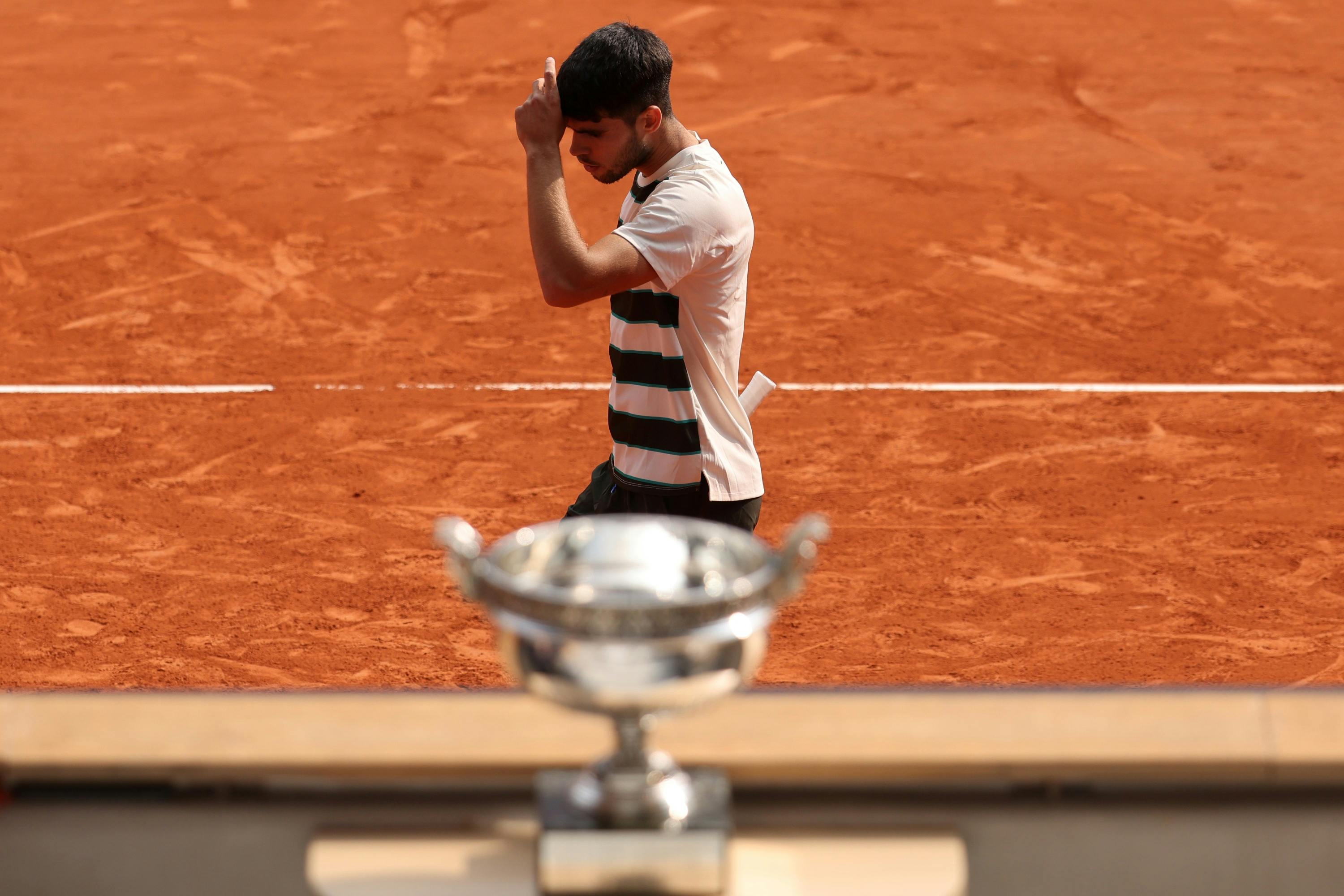
The tennis world is grappling with the significant news that Carlos Alcaraz will be absent from the 2026 Grand Slam circuit for the foreseeable future. The Spanish sensation, who has captivated fans with his dynamic style and historic victories, has officially withdrawn from both the French Open at Roland-Garros and the upcoming Wimbledon championships due to a lingering right wrist injury.
For followers of the sport, this development marks a sobering moment in the 2026 season. Alcaraz, widely recognized as a generational talent, faces the difficult reality of prioritizing long-term physical health over the immediate prestige of defending his titles. The decision to step away from the court, while undoubtedly painful for the athlete, is being viewed by many in the tennis community as a necessary measure to ensure the longevity of his career.
The Weight of Recovery and Professional Longevity
The conversation surrounding Alcaraz’s status has drawn commentary from some of the sport’s most respected figures. Jim Courier, a former world No. 1 and multiple Grand Slam champion, recently addressed the necessity of patience regarding such injuries. Courier emphasized the perspective of the long game, noting that he would not want to look back two decades from now and wonder what might have been achieved had the athlete taken more time to properly address a wrist issue. This sentiment reflects a broader understanding among professionals that pushing through soft-tissue or joint injuries can often lead to chronic conditions that shorten a player’s prime.
Rafael Nadal, another pillar of Spanish tennis, has also weighed in on the situation. Nadal expressed optimism regarding his countryman’s future, stating that the nature of the injury is one from which Alcaraz can recover to 100% capacity, provided that he approaches his rehabilitation and recovery process with the correct level of diligence and care. This perspective aligns with current sports medicine practices, which prioritize clinical healing timelines over competitive schedules.
A Season in Transition
The withdrawal of Alcaraz from Roland-Garros—where he has previously enjoyed profound success—and Wimbledon leaves a noticeable void in the men’s draw. Throughout his career, the young Spaniard has become synonymous with high-stakes tennis, and his absence forces a recalibration of expectations for both tournaments. Analysts and fans alike are now looking toward the rest of the field, as the absence of a defending champion typically opens the door for new narratives and potential breakthroughs for other top-ranked competitors.
While the immediate impact of his absence is clear, the focus remains on the medical recovery process. The wrist is a notoriously complex joint for tennis players, requiring precise management to avoid recurring issues. By choosing to withdraw from these high-intensity events, Alcaraz is essentially investing in his own future, a move that aligns with the guidance of his medical team and the support of his coaching staff.
Looking Ahead
As the tennis community awaits further updates on his rehabilitation progress, the primary focus remains on the “if” and “when” of his return. There is no official timeline for his comeback, as return-to-play protocols are generally dictated by clinical milestones rather than set calendar dates. Fans and supporters are encouraged to look for official updates through verified channels, including the ATP Tour website and official announcements from the player’s own representatives, as these remain the most reliable sources for information regarding his health status.
The 2026 season continues, and while the absence of a star like Alcaraz is a significant headline, the resilience of the sport is often found in the stories of those who step up in the face of such vacancies. As we track his progress, we will continue to provide updates as official information becomes available. We invite you to share your thoughts on this challenging transition for the sport in the comments section below.
Keep reading