Canada’s Energy Deal Sparks Resignation and Pipeline Debate
A new energy agreement between the Canadian federal government and Alberta province has triggered significant political fallout,including the resignation of liberal minister Steven Guilbeault. This deal aims to facilitate a new oil pipeline to British Columbia’s coast, a move that’s sparking controversy and raising questions about Canada’s energy future.
The Core of the Agreement
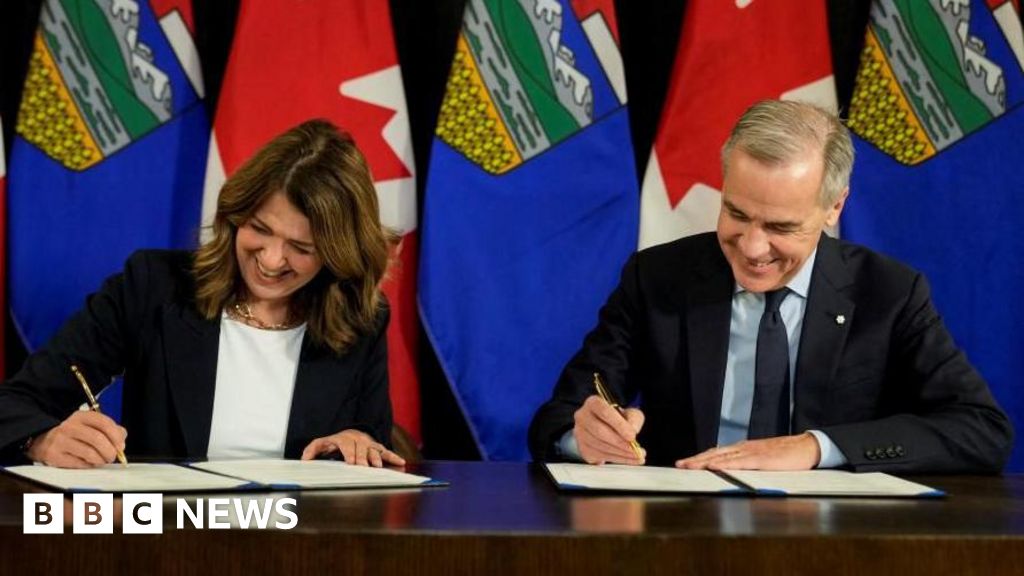
The memorandum of understanding, signed by key figures, outlines several key concessions. It exempts the proposed pipeline from a pre-existing tanker ban off the coast of British columbia. Furthermore, it temporarily suspends the federal oil and gas emissions cap – a notable shift from previous policies.
Hear’s a breakdown of the agreement’s main components:
* Indigenous co-ownership is mandated for the pipeline project.
* Financing will rely on private capital, not taxpayer funds.
* Immediate discussions with British Columbia are promised to address concerns.
* Alberta is initially contributing C$14 million to develop a detailed proposal.
A Push for Diversified Exports
Canada currently relies heavily on the United States for its crude oil exports, with over 90% going to its southern neighbor. This dependence prompted a strategic reassessment by the current management. Officials, including Mark Carney, aim to double non-US exports within the next decade, viewing it as a safeguard against potential protectionist measures like those implemented during the Trump administration.
This pipeline is envisioned as a crucial step in opening access to Asian markets, perhaps diversifying Canada’s economic partnerships. The proposed route would lead to British Columbia’s northern coast, facilitating shipments across the Pacific.
Opposition and Concerns
However, the deal isn’t without its detractors. British Columbia Premier David Eby has voiced strong opposition, fearing the pipeline could jeopardize support for the province’s liquified natural gas projects among Indigenous communities. He expressed concern that the project could become a drain on resources,given the numerous hurdles still to overcome.
coastal First Nations have also issued a firm statement, declaring that the pipeline ”will never happen.” Their opposition highlights the critical need for meaningful consultation and respect for Indigenous rights.
Political Reactions
The opposition Conservative party, led by Pierre Poilievre, has criticized the agreement as a symbolic gesture lacking concrete guarantees. Poilievre pointed out the contrast between the current approach and the Prime Minister’s previous promises of swift action.
Guilbeault’s resignation underscores the internal divisions within the liberal party regarding this energy policy shift. His departure signals a significant challenge to the government’s environmental agenda.
What This Means for You
This situation is evolving rapidly. You can expect continued debate and scrutiny as the project moves forward. The outcome will likely have far-reaching implications for Canada’s energy landscape, its relationship with Indigenous communities, and its international trade strategy.
It’s a complex issue with no easy answers, and understanding the nuances is crucial for anyone interested in Canadian politics, energy policy, or environmental sustainability.
Related reading