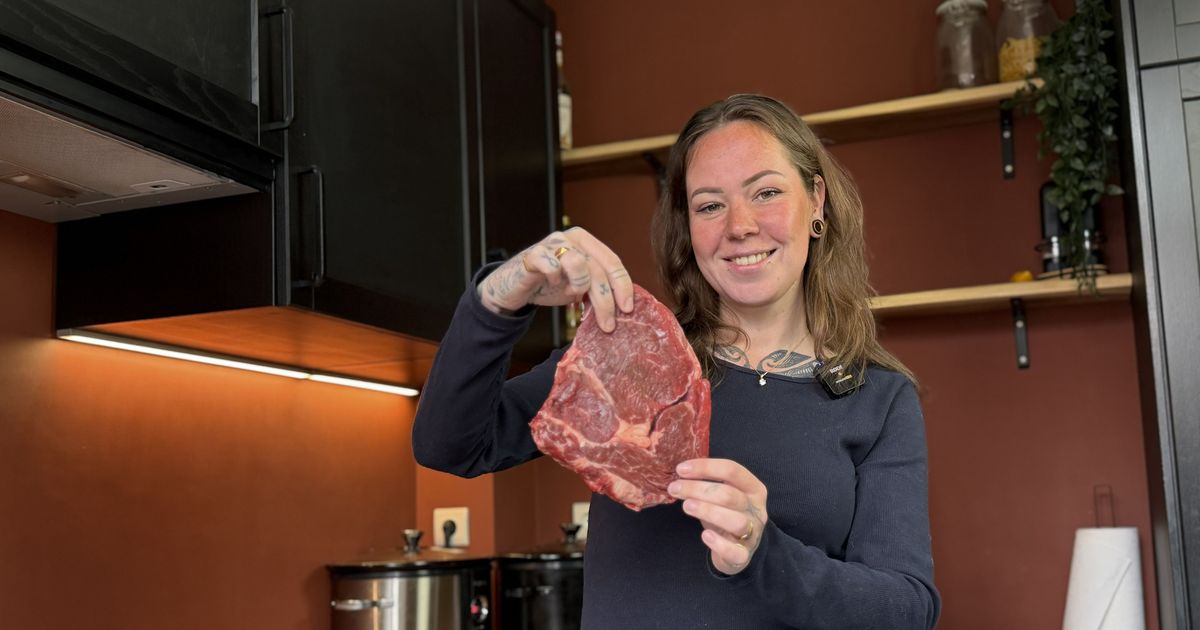
For many, the idea of a balanced diet is synonymous with a colorful plate—vibrant greens, deep oranges, and varied grains. But, for one woman in the Netherlands, the path to health took a radical turn toward a monochrome palette of reds and browns. Meriam, a proponent of the carnivore diet, has abandoned traditional nutritional advice in favor of a regimen consisting almost exclusively of animal products.
Her transition was not a gradual shift but a total rejection of established norms. By adhering to a diet of meat and animal fats, Meriam reports a significant transformation in her physical well-being, including a weight loss of 37 kilograms. For her, the results have been so stark that she views conventional dietary guidelines as obsolete, claiming that the Schijf van Vijf
—the Dutch nutritional gold standard—no longer serves her needs.
As a physician and health editor, I find cases like Meriam’s compelling given that they highlight the growing tension between anecdotal success and clinical evidence. The carnivore diet, an extreme version of the ketogenic diet, removes all plant foods, including fruits, vegetables, grains, and legumes. While the rapid weight loss is often the primary draw, the long-term implications of such a restrictive intake remain a subject of intense medical scrutiny.
The core of this conflict lies in the divergence from the Schijf van Vijf (Wheel of Five), the official dietary guidelines provided by the Dutch Nutrition Centre. These guidelines emphasize a diverse intake of food groups to ensure the body receives essential vitamins, minerals, and fiber. By tossing these guidelines into the trash,
as Meriam describes, practitioners of the carnivore diet enter a metabolic state that challenges nearly every tenet of modern public health.
The Mechanics of the Carnivore Diet and Weight Loss
To understand why Meriam experienced a loss of 37 kilograms, one must look at the metabolic shift known as ketosis. When carbohydrates are virtually eliminated from the diet, the body exhausts its glucose stores and begins breaking down fats into ketones to use as its primary energy source. This process often leads to rapid initial weight loss, much of which is attributed to the shedding of water weight as glycogen stores deplete.
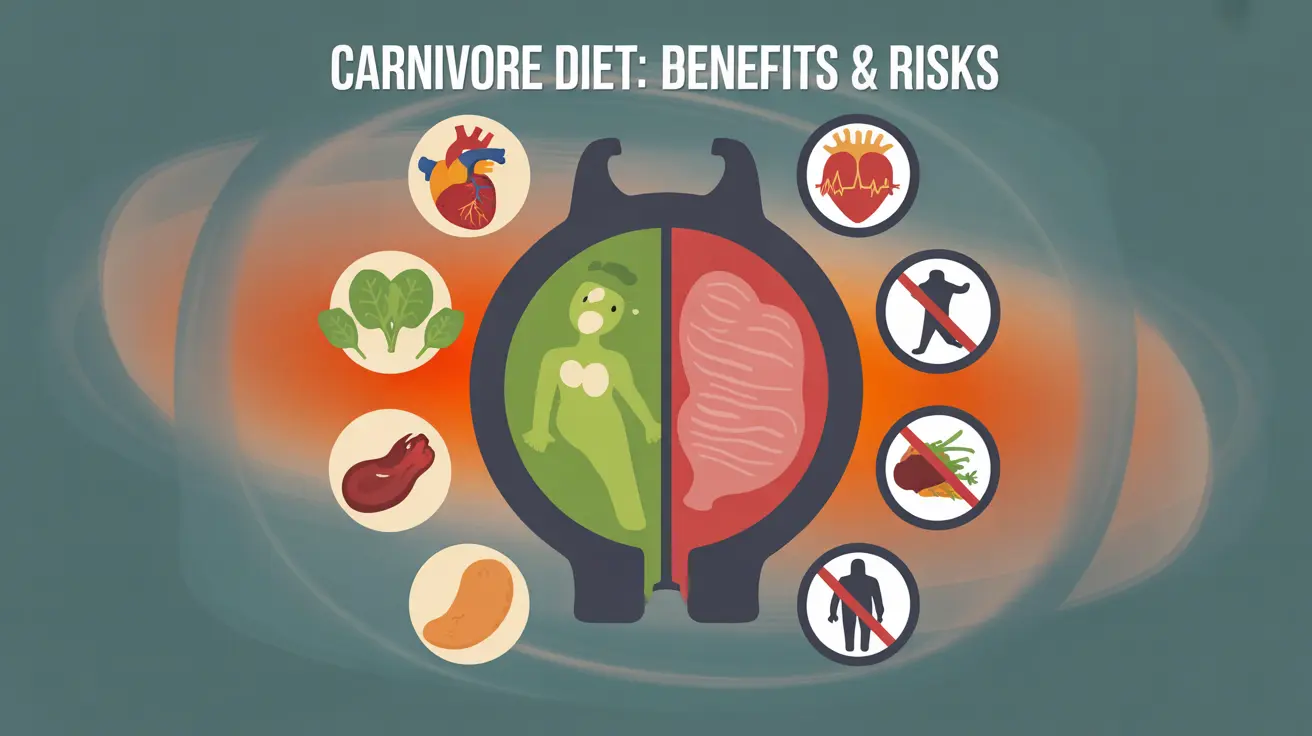
Beyond water loss, the carnivore diet is naturally high in protein, which increases satiety. Protein requires more energy to digest—a phenomenon known as the thermic effect of food—and helps preserve lean muscle mass while the body burns stored fat. For individuals struggling with obesity or metabolic syndrome, this rapid change can perceive like a miracle cure, providing a psychological boost that reinforces the restrictive nature of the diet.
However, the medical community cautions that weight loss is not always a proxy for overall health. The absence of fiber, found exclusively in plant foods, can lead to significant changes in the gut microbiome. Fiber is essential for the production of short-chain fatty acids, which protect the lining of the colon and regulate inflammation. Without it, the long-term health of the digestive tract becomes a primary concern for clinicians.
Clinical Risks: The Cost of an Animal-Only Regimen
While Meriam celebrates her results, the carnivore diet presents several high-stakes risks that cannot be ignored. The most immediate concern is nutrient deficiency. Plant foods are the primary sources of Vitamin C, potassium, and folate. A total lack of these nutrients can, over time, lead to severe complications, including scurvy in extreme cases of Vitamin C deficiency.
Cardiovascular health is another critical area of concern. The carnivore diet is typically rich in saturated fats from red meat and butter. According to the World Health Organization (WHO), limiting saturated fats is key to reducing the risk of non-communicable diseases, including heart disease and stroke. High intake of saturated fats can elevate low-density lipoprotein (LDL) cholesterol, which is a known risk factor for atherosclerosis.
the kidneys may face increased strain. Processing high volumes of protein creates urea and other nitrogenous waste products that the kidneys must filter. For individuals with undiagnosed early-stage kidney disease, a carnivore-style diet could potentially accelerate renal decline.
“The carnivore diet is essentially an extreme elimination diet. While some people report relief from autoimmune symptoms because they have removed trigger foods like gluten or nightshades, there is no clinical evidence that a lifelong meat-only diet is sustainable or safe for the general population.” Dr. Helena Fischer, Editor, Health
The Psychological Appeal of Dietary Extremism
The rise of the carnivore diet is as much a sociological phenomenon as it is a nutritional one. In an era of conflicting health advice, there is a powerful allure to simplicity. The rule—eat only animal products
—is far easier to follow than the nuanced calculations of macronutrients or the diverse requirements of the Schijf van Vijf.
For someone like Meriam, the tangible result of losing 37 kilograms acts as a powerful confirmation bias. When a person feels better and looks different, they are more likely to attribute those changes to the diet while ignoring the absence of long-term data. This is often compounded by online communities that share similar success stories, creating an echo chamber that dismisses medical warnings as establishment narratives
.
From a psychological perspective, the carnivore diet can also mimic the effects of an addiction-recovery process. Many practitioners report a reduction in cravings for sugar and processed carbohydrates, which can lead to a feeling of mental clarity and stability. However, this clarity
is often the result of stabilized blood sugar levels rather than the inherent superiority of meat over vegetables.
Comparing Nutritional Frameworks
To illustrate the gap between the carnivore approach and established health guidelines, it is helpful to compare the two frameworks directly.

| Nutritional Element | Carnivore Diet | Schijf van Vijf |
|---|---|---|
| Primary Energy Source | Fats and Proteins (Ketones) | Complex Carbohydrates (Glucose) |
| Fiber Intake | Zero | High (Vegetables, Grains, Fruit) |
| Micronutrient Source | Organ meats, animal fats | Diverse plant and animal sources |
| Heart Health Focus | Low carb, high saturated fat | Low saturated fat, high unsaturated fat |
| Primary Goal | Elimination / Rapid Weight Loss | Long-term Disease Prevention |
The Verdict: Anecdote vs. Evidence
Meriam’s experience is a testament to the body’s ability to adapt to extreme caloric and macronutrient shifts. Losing 37 kilograms is a significant achievement that undoubtedly improves her immediate quality of life, reducing the load on her joints and potentially improving her insulin sensitivity.
However, as a medical professional, I must emphasize that a single success story is not a clinical trial. The absence of disease today does not guarantee the absence of pathology tomorrow. The risks of micronutrient deficiencies and cardiovascular strain are cumulative. The very guidelines Meriam has discarded—the Schijf van Vijf—were developed based on decades of population-wide data to minimize the risk of chronic illness across a lifetime.
For those tempted by the carnivore diet, the safest approach is not total abandonment of vegetables, but a supervised transition. If an elimination diet is used to identify food sensitivities, it should be a temporary tool, not a permanent lifestyle. The goal should always be to return to the widest possible variety of nutrient-dense foods that the body can tolerate.
The next critical checkpoint for the medical community will be the release of long-term longitudinal studies on extreme ketogenic and carnivore diets, which are currently being discussed in various nutritional research circles to determine if the reported benefits outweigh the cardiovascular risks.
Do you believe extreme elimination diets are a viable path to health, or are they too risky for the general public? Share your thoughts in the comments below.
Related reading