The landscape of American healthcare is shifting as several states move to implement Medicaid work requirements, a policy maneuver that critics argue could strip coverage from thousands of the country’s most vulnerable residents. By requiring able-bodied adults to prove they are working or engaged in approved activities to maintain their health insurance, these states are attempting to reshape the fundamental nature of the nation’s primary safety net for the poor.
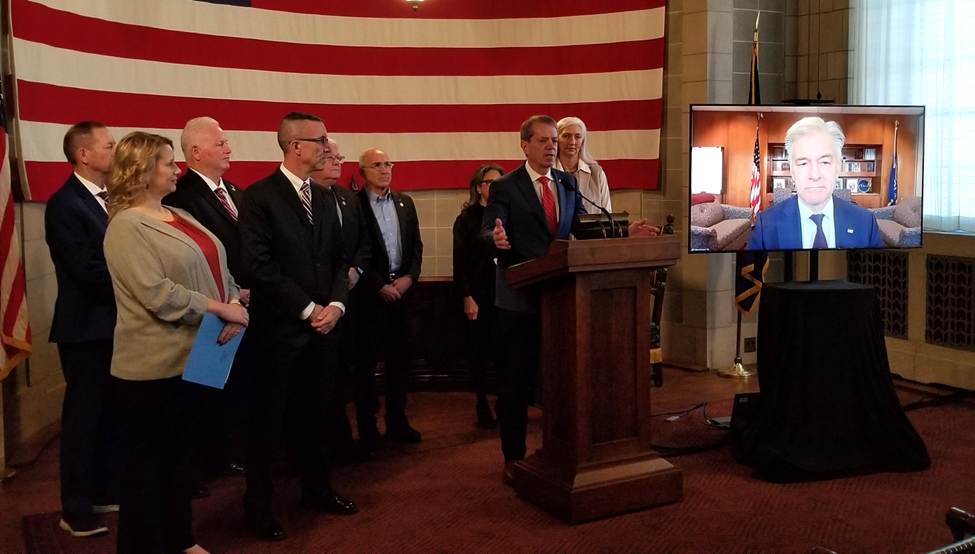
Nebraska has emerged as the first state to formally implement these Medicaid work requirements, marking a significant pivot in healthcare administration. The move follows a broader GOP-led effort to tie social services to employment, a strategy aimed at reducing government spending and incentivizing labor force participation. Though, the transition has sparked immediate concerns regarding the administrative burden on both the state and the citizens who rely on these benefits.
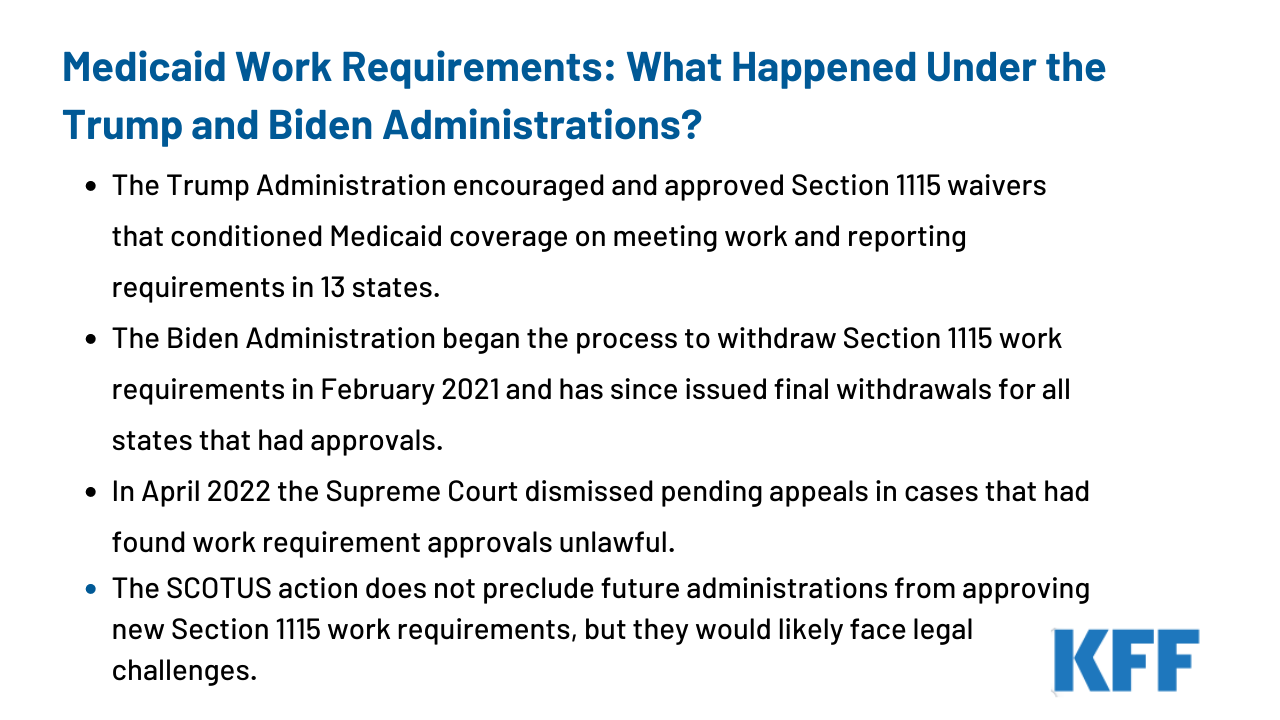
For many, this is not a new debate but a revival of a long-standing ideological battle. During the previous Trump administration, the federal government encouraged states to adopt similar mandates. While many of those attempts were blocked by federal courts or stalled by the Biden administration, the current political climate and new legislative frameworks are giving red states a renewed opportunity to pursue these policies. The central tension lies between the goal of fiscal sustainability and the risk of creating a “coverage gap” where eligible people lose insurance due to paperwork errors or inability to meet rigid work quotas.
The implications extend beyond a single state. As Nebraska tests the operational viability of these requirements, other Republican-led states are watching closely. If the program succeeds without triggering a total collapse of the state’s healthcare infrastructure or a massive legal defeat, it could provide a blueprint for a national shift in how Medicaid is administered, potentially moving the program away from a needs-based entitlement toward a conditional benefit.
Nebraska’s First-Mover Status and the Risk of Coverage Loss
Nebraska’s decision to become the first state to implement these requirements under a current GOP-led framework has placed it at the center of a national healthcare experiment. The policy targets “able-bodied” adults—those who do not have a documented disability or are not primary caregivers—requiring them to engage in a specified number of hours of work or community service per month to remain eligible for Medicaid. Reporting from CNN suggests that tens of thousands of residents could potentially lose their coverage if they fail to meet these new mandates or struggle with the reporting process.
The primary concern for healthcare advocates is not necessarily the requirement to work, but the “administrative churn” that typically accompanies such policies. In previous attempts by other states to implement work requirements, many people who were actually working still lost their coverage because they could not navigate the complex reporting systems or lacked the technology to submit proof of employment to the state. This phenomenon, known as procedural disenrollment, often results in a loss of coverage for the eligible, rather than a reduction in the rolls of the ineligible.
State officials in Nebraska maintain that the requirements are a necessary step to ensure the program serves those who truly need it and to encourage independence. However, the logistical challenge of tracking work hours for thousands of individuals is immense. The state must now build or adapt an infrastructure capable of verifying employment in real-time, a task that requires significant staffing and software integration. Failure to execute this smoothly could lead to a surge in uninsured residents seeking emergency care, which often costs taxpayers more than the monthly cost of Medicaid premiums.
The Ideological Drive: Work-Based Welfare and Fiscal Constraints
The push for work requirements is rooted in a specific philosophy of governance: the belief that government assistance should be a temporary bridge to self-sufficiency rather than a permanent safety net. Proponents argue that Medicaid, particularly the Medicaid expansion provided under the Affordable Care Act (ACA), has become too broad, providing coverage to individuals who are capable of earning a living. By implementing work requirements, states aim to reduce the total number of enrollees, thereby lowering the state’s share of Medicaid spending.
This fiscal strategy is particularly appealing to states facing budget deficits or those seeking to redirect funds toward other priorities. By narrowing the eligibility pool, states can potentially save millions of dollars in annual expenditures. However, the actual savings are often debated. Some economists argue that the cost of administering the work-verification system can eat into the savings gained from reduced enrollment, and the subsequent increase in uncompensated care at hospitals can create a secondary financial burden on the state’s healthcare system.
the definition of “work” remains a point of contention. While traditional employment is the primary metric, many states include vocational training, job searching, or community volunteering as qualifying activities. The complexity of these definitions often leads to confusion among applicants, who may believe they qualify for an exemption only to find their coverage terminated after a clerical review. This ambiguity creates a precarious environment for low-income families who may be juggling multiple part-time jobs or unpaid caregiving duties.
The Legal Battleground and Federal Oversight
The road to implementing work requirements has been paved with lawsuits. Under the Obama and Biden administrations, the Centers for Medicare & Medicaid Services (CMS) often scrutinized state waivers—the legal mechanism states use to ask for permission to deviate from federal Medicaid rules. Many of these waivers were denied on the grounds that the requirements were too restrictive or that the states lacked a viable plan to prevent the mass loss of coverage for eligible people.
The current shift is largely a reaction to the changing federal landscape. With a GOP-led push to streamline these requirements, states are finding a more receptive audience in federal agencies or are emboldened by the belief that a future administration will provide full support for these mandates. The legal arguments typically center on whether these requirements violate the Social Security Act, which governs Medicaid, or whether they constitute an “unreasonable” barrier to a federally mandated benefit.
Legal challenges often focus on the “able-bodied” definition. Critics argue that the criteria for disability are often too narrow, leaving people with chronic illnesses or mental health struggles—who may not meet the strict legal definition of “disabled” but are unable to maintain steady employment—at risk of losing their health insurance. Without insurance, these individuals often experience a decline in health, which eventually leads to more expensive emergency room visits, further straining the public health system.
What Which means for the Average Beneficiary
For a Medicaid recipient in a state implementing these rules, the change manifests as a new set of obligations. Beneficiaries are typically required to log into a state portal and report their hours monthly. This requires a level of digital literacy and consistent internet access that is not universal among the lowest-income populations. Those without a stable home or a computer may find the reporting process nearly impossible.
The “cliff effect” is another significant concern. If a person finds a job that pays slightly too much to qualify for Medicaid but not enough to afford private insurance, they enter the “coverage gap.” In states that have not expanded Medicaid, this gap is already a crisis. in states adding work requirements, the gap may widen as people are pushed off the rolls not because of their income, but because of a failure to document their work.
The impact is not distributed evenly. Single parents, those in rural areas with limited transportation, and individuals with fluctuating health conditions are the most likely to struggle with the rigid nature of work requirements. When insurance is lost, the first thing to go is often preventative care—annual checkups, medication refills, and screenings. This leads to “crisis-based medicine,” where a manageable condition like diabetes becomes a life-threatening emergency because the patient could not afford insulin after losing their Medicaid eligibility.
Comparison of Policy Approaches
| Model | Primary Requirement | Stated Goal | Primary Risk |
|---|---|---|---|
| Traditional Medicaid | Income and Category-based | Universal access for the poor | Higher state expenditure |
| Expanded Medicaid (ACA) | Income-based (Modified Adjusted Gross Income) |
Closing the coverage gap | Increased enrollment volume |
| Work-Requirement Model | Income + Employment/Activity | Labor force participation | Procedural disenrollment |
The Road Ahead: What Happens Next?
The immediate future of Medicaid work requirements will likely be determined by the courts and the efficiency of Nebraska’s rollout. If Nebraska can demonstrate that it can implement these requirements without causing a massive spike in uninsured rates or a collapse in public health outcomes, it will likely trigger a wave of similar applications from other red states. Conversely, if the state sees a significant number of eligible people losing coverage due to administrative errors, it may provide ammunition for legal challenges and federal interventions.

The next critical checkpoint will be the first full quarterly review of Nebraska’s enrollment data. Public health analysts and policymakers will be looking for “churn” rates—the frequency with which people move on and off the rolls. A high churn rate would suggest that the work requirements are acting as a barrier to access rather than an incentive for employment.
As the federal government’s stance on these waivers continues to evolve, the tension between state autonomy and federal standards for healthcare access remains a defining conflict of the American social contract. For millions of Americans, the outcome of this policy experiment is not just a matter of political preference, but a matter of life-saving medical access.
We encourage readers to share their perspectives on the balance between work requirements and healthcare access in the comments below. Please share this report to keep the global community informed on the evolving state of U.S. Healthcare policy.
Worth a look