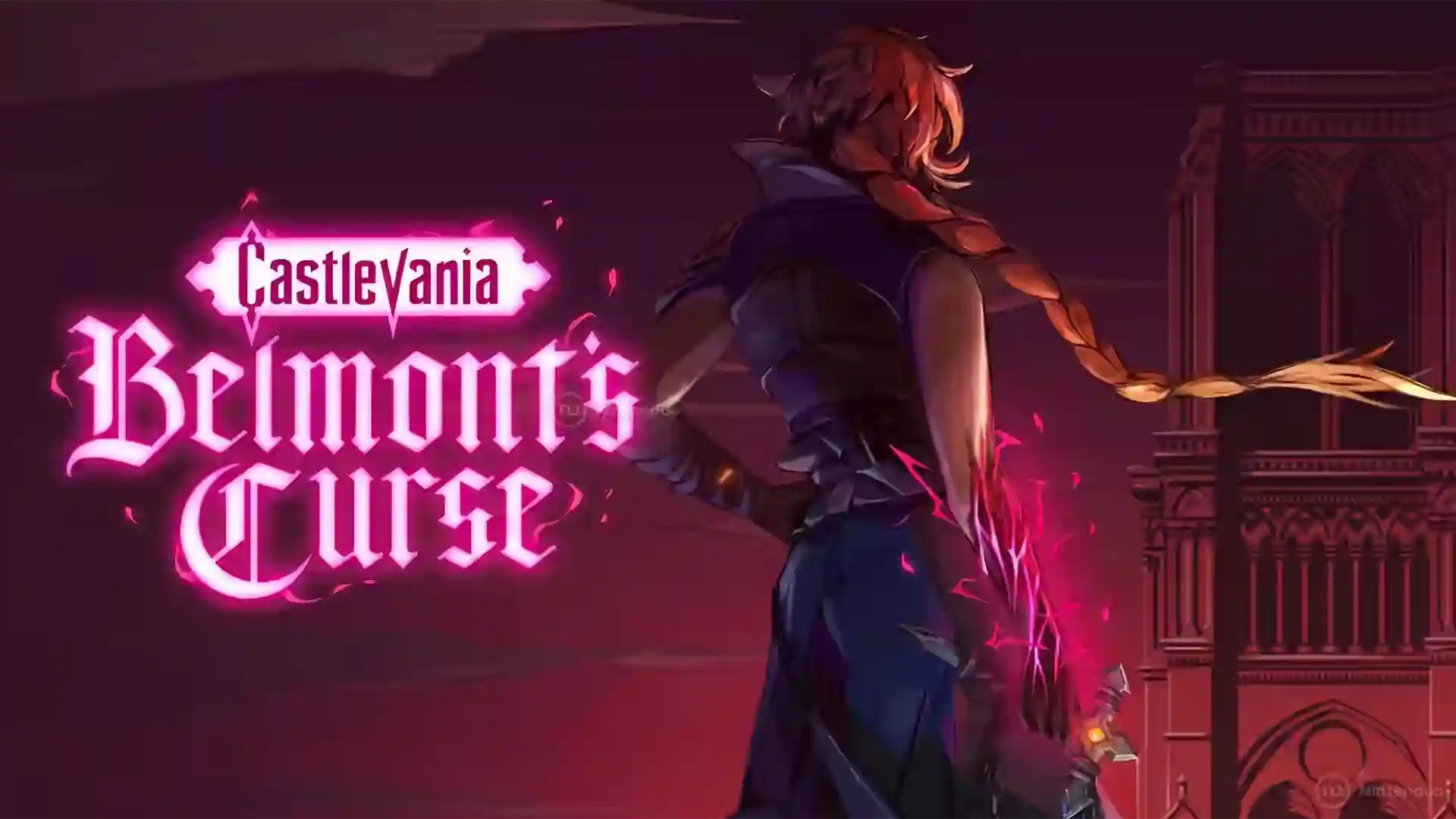
The upcoming Castlevania: Belmont’s Curse has generated considerable excitement among fans of the long-running gothic horror franchise. A key question circulating since the game’s announcement – will it embrace the roguelike genre? – has now been definitively answered. Konami has confirmed that Castlevania: Belmont’s Curse will not be a roguelike, opting instead for a more traditional action-exploration experience reminiscent of classic Castlevania titles.
Developed by Evil Empire and Motion Twin, the game initially sparked speculation due to the developers’ previous work on critically acclaimed roguelikes like Dead Cells and The Rogue Prince of Persia. Though, Konami has clarified that while the development teams bring a wealth of experience in the action genre, Belmont’s Curse will chart a different course. This decision aims to deliver a distinct Castlevania experience that honors the series’ legacy while introducing fresh gameplay elements.
Tommy Williams, Konami’s Head of Communications for the Americas, stated unequivocally to The Verge that “Castlevania Belmont’s Curse is a 2D Action and Exploration game where players can freely explore extensive maps with elaborate design. It is not a roguelike or roguelite.” This confirmation alleviates concerns among longtime fans who might have been wary of a significant departure from the series’ established formula. The game is slated for release in 2026 on Nintendo Switch, PlayStation 5, Windows, and Xbox Series X/S, marking a significant return for the franchise to console and PC platforms.
A Return to Exploration and the Metroidvania Style
The confirmation that Castlevania: Belmont’s Curse will be a 2D action-exploration game places it firmly within the “Metroidvania” subgenre. This style of gameplay emphasizes non-linear level design, encouraging players to backtrack, discover secrets, and progressively unlock new areas as they gain abilities and items. This approach is a deliberate nod to beloved titles like Castlevania: Symphony of the Night (1997), often considered a high point in the series’ history. The Metroidvania structure allows for a sense of discovery and rewards thorough exploration, appealing to players who enjoy unraveling a game’s world at their own pace.
According to Konami, players will navigate a sprawling map encompassing both a sinister castle and the surrounding city of Paris in 1499. The game takes place 23 years after the events of Castlevania III: Dracula’s Curse (1989), introducing a new protagonist – a descendant of the legendary vampire hunter Trevor Belmont and his wife Sypha Belnades. The Belmont family’s iconic “Vampire Killer” whip will be central to both combat and traversal, allowing players to swing across gaps and reach previously inaccessible areas. Mastering the whip’s mechanics will be crucial for success, offering a dynamic and versatile tool for both offense and exploration.
Konami’s Return to Console and PC Gaming
Castlevania: Belmont’s Curse represents a significant step in Konami’s renewed commitment to console and PC game development. In 2021, the company signaled its intention to reinvest in its core franchises, including Castlevania, after a period of focusing primarily on mobile gaming. The game’s announcement in February 2026, alongside the release of Haunted Castle Revisited (2024), demonstrates Konami’s dedication to revitalizing the Castlevania series for a modern audience. Production on Belmont’s Curse began in 2022, indicating a substantial development cycle aimed at delivering a high-quality experience.
This return to form is particularly noteworthy given the franchise’s rich history and dedicated fanbase. The Castlevania series has spanned decades and numerous platforms, evolving from its 8-bit origins to turn into a cornerstone of the action-platformer genre. The series’ 40th anniversary is being celebrated with Belmont’s Curse, underscoring its enduring legacy and cultural impact. The game’s setting in 15th-century Paris adds a unique flavor to the Castlevania universe, offering a fresh backdrop for the ongoing struggle against Dracula and his forces of darkness.
The Influence of Evil Empire and Motion Twin
While Castlevania: Belmont’s Curse won’t be a roguelike, the involvement of Evil Empire and Motion Twin is still significant. Evil Empire is the primary developer, while Motion Twin serves as an advisory studio. Both studios are renowned for their expertise in action game design and their commitment to challenging, rewarding gameplay. Their previous collaboration on Dead Cells, a critically acclaimed roguelike Metroidvania, showcased their ability to blend fast-paced combat with intricate level design and a compelling progression system.
The success of the Dead Cells DLC, “Return to Castlevania,” further demonstrates the synergy between the two studios and the Castlevania franchise. The DLC was widely praised for its faithful recreation of the series’ atmosphere, music, and gameplay mechanics. This collaboration likely informed the development of Belmont’s Curse, ensuring that it captures the essence of Castlevania while incorporating innovative ideas. The experience gained from the DLC undoubtedly provided valuable insights into what fans appreciate most about the series.
What to Expect from Castlevania: Belmont’s Curse
Players can anticipate a focus on fluid combat, intricate exploration, and a compelling narrative. The game will feature a non-linear map, encouraging players to uncover hidden areas and secrets. The “Vampire Killer” whip will be a versatile tool, allowing for both offensive attacks and traversal maneuvers. Players will similarly have access to a variety of weapons and spells, enabling them to customize their playstyle and adapt to different challenges. The game’s setting in Paris provides a unique and atmospheric backdrop for the story, offering a departure from the traditional Transylvanian castles often associated with the series.
Konami has emphasized the importance of exploration in Belmont’s Curse, stating that “a sense of exploration will favor the bold and those who dare explore every inch of the sinister castle.” This suggests that the game will reward players who take the time to investigate their surroundings and uncover hidden pathways. The game’s progression system will likely involve acquiring upgrades and key items that unlock access to new areas, encouraging players to continually improve their abilities and expand their reach. The combination of action, exploration, and a compelling narrative promises a captivating experience for both longtime fans and newcomers to the Castlevania franchise.
The game’s development team is clearly aiming to deliver a worthy successor to Symphony of the Night, a title that remains a benchmark for the Metroidvania genre. While the challenge of living up to such a beloved classic is significant, the combination of Konami’s experience, Evil Empire’s expertise, and Motion Twin’s guidance suggests that Castlevania: Belmont’s Curse has the potential to become a standout title in the series.
Wishlisting for Castlevania: Belmont’s Curse is currently available on PlayStation 5, Xbox Series X|S, and Steam. The game is scheduled for release in 2026, marking a significant milestone in the Castlevania franchise’s 40th anniversary celebration. Fans can expect further updates and details about the game in the coming months as Konami prepares for its launch.
The next major update regarding Castlevania: Belmont’s Curse is anticipated to be a gameplay showcase scheduled for Summer Game Fest 2026. Preserve an eye on Konami’s official channels for more information and be sure to wishlist the game on your preferred platform to stay informed about its release.
Keep reading