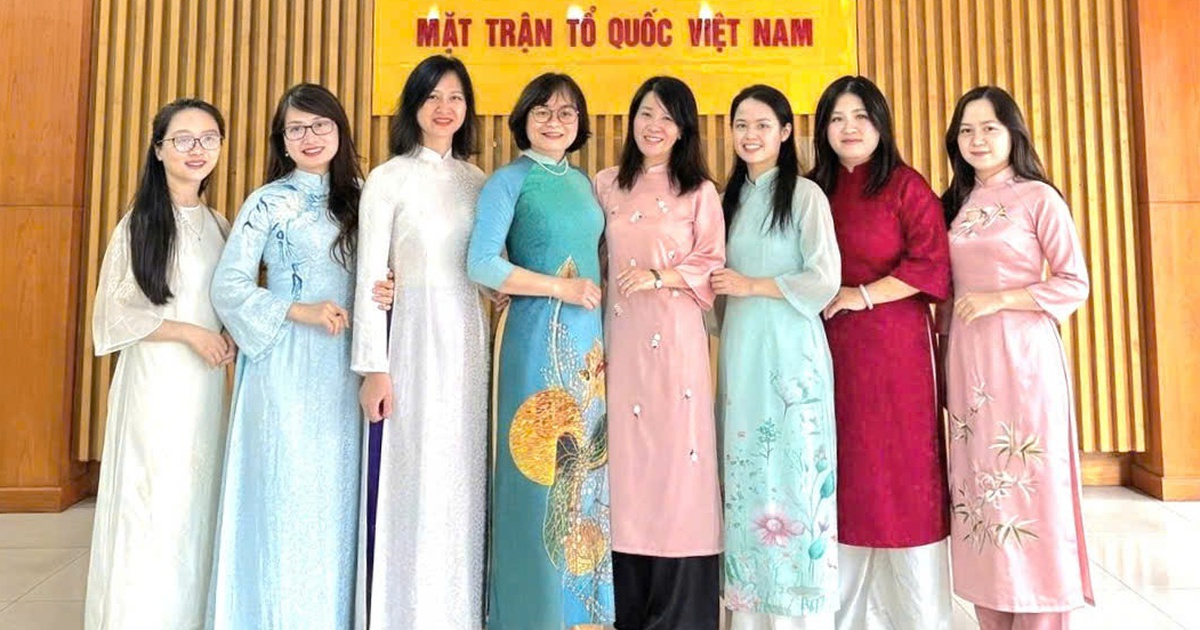
The traditional Vietnamese garment, the *ao dai*, is taking on a new role – as a symbol of cultural diplomacy. As Vietnam prepares for both national elections and celebrations marking significant historical and cultural milestones, a nationwide campaign is underway to showcase the *ao dai* not just as a beautiful piece of clothing, but as a representation of Vietnamese identity and a tool for fostering international goodwill. This initiative coincides with the 116th anniversary of International Women’s Day (March 8th) and the 1986th anniversary of the Hai Ba Trung sisters’ uprising against Chinese rule, a pivotal moment in Vietnamese history.
From March 1st to 8th, 2026, Vietnam is hosting the “Ao Dai Week” campaign across the country, spearheaded by the Presidium of the Central Committee of the Vietnamese Women’s Union. This isn’t merely a fashion event. it’s a deliberate effort to project a positive image of Vietnam on the global stage. The *ao dai*, with its flowing lines and elegant silhouette, is being strategically deployed to communicate values of peace, tradition, and national pride. The timing is similarly significant, aligning with the upcoming elections for the 16th National Assembly and People’s Councils at all levels for the 2026-2031 term, further emphasizing civic engagement and national unity.
The *Ao Dai* as a Cultural Ambassador
The *ao dai* has a rich history, evolving over centuries from earlier forms of Vietnamese dress. While its origins can be traced back to earlier garments, the modern *ao dai* – fitted, long-sleeved tunic worn over loose trousers – largely took shape in the 1930s, influenced by French fashion. Today, it’s considered a national symbol, often worn by women for special occasions, school uniforms, and increasingly, in professional settings. The current campaign aims to normalize its presence in everyday life, particularly within government and public service, as a visible expression of Vietnamese culture. This initiative builds on a growing trend of Vietnamese citizens proudly wearing the *ao dai* in public spaces, fostering a sense of national identity and cultural appreciation.
The campaign’s focus extends beyond simply wearing the garment. Activities are designed to highlight the artistry and craftsmanship involved in creating an *ao dai*, supporting local artisans and preserving traditional techniques. The initiative also seeks to connect the *ao dai* with contemporary Vietnamese women, portraying them as confident, responsible, compassionate, and creative individuals. This multifaceted approach aims to showcase the *ao dai* as a dynamic symbol that reflects both Vietnam’s rich heritage and its modern aspirations.
Diplomacy Through Dress: A Strategic Approach
The Vietnamese government recognizes the power of cultural diplomacy in shaping international perceptions. The *ao dai*, becomes more than just clothing; it’s a visual representation of Vietnamese values and a conversation starter. Officials from the Department of Foreign Affairs, a branch of the Central Committee of the Fatherland Front of Vietnam, have been seen wearing the *ao dai* during official functions, demonstrating a commitment to promoting Vietnamese culture on the international stage. This practice is intended to create a welcoming and culturally rich atmosphere during diplomatic engagements, fostering stronger relationships with foreign partners.
A representative from the Department of Foreign Affairs articulated the strategic importance of the *ao dai* in international relations, stating that it “contributes to promoting the image of Vietnam as a friendly, peaceful, and traditionally rich country to international friends.” This sentiment underscores the belief that cultural exchange can play a vital role in building trust and understanding between nations. The *ao dai*, is being actively utilized as a soft power tool, projecting a positive image of Vietnam and strengthening its diplomatic ties.
Regional Celebrations and the “Ao Dai” Festival
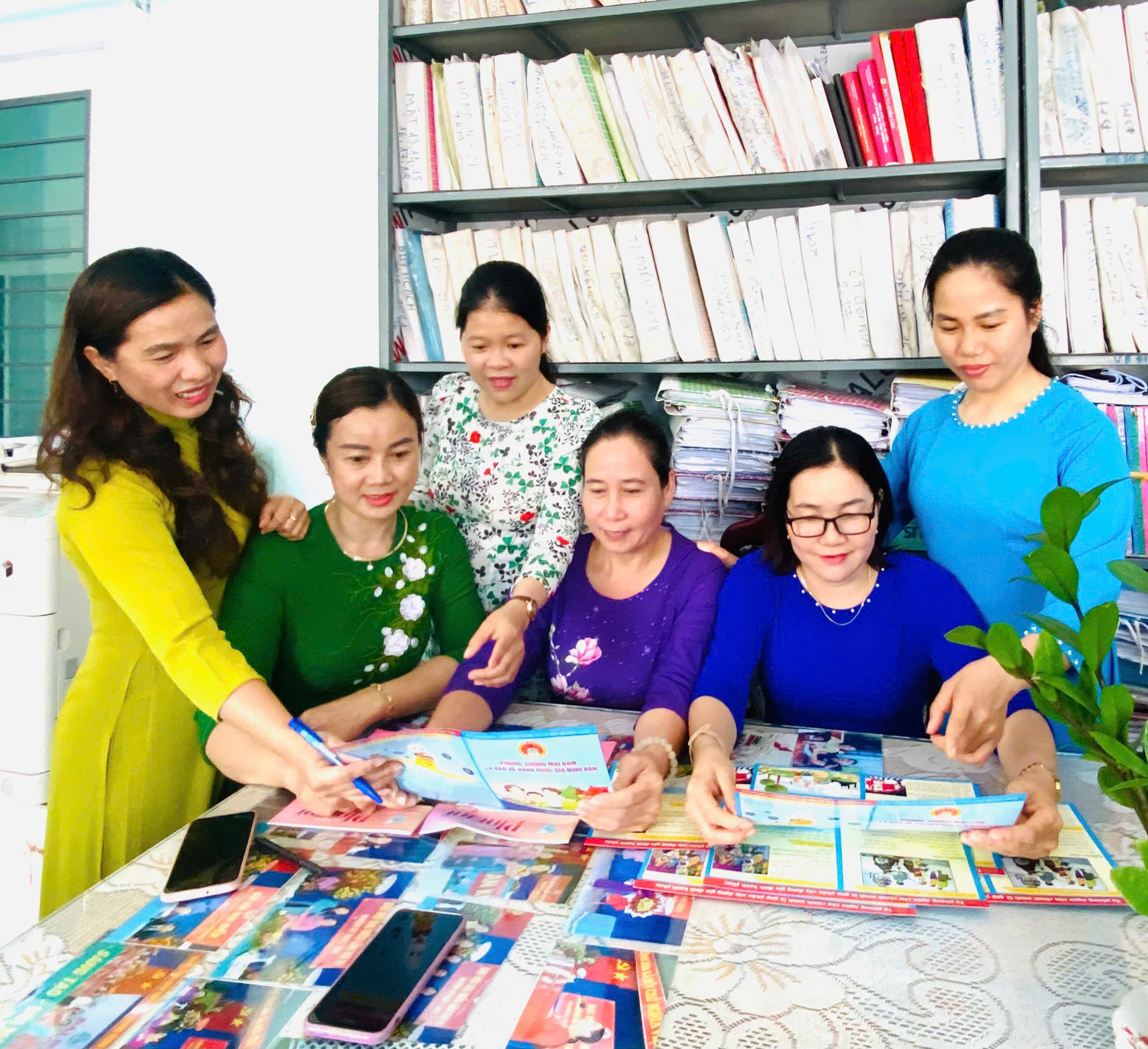
The “Ao Dai Week” campaign isn’t confined to the capital. Provinces across Vietnam are actively participating, organizing events and encouraging citizens to embrace the garment. In Quang Ngai province, women are wearing the *ao dai* to work, demonstrating their pride in their cultural heritage. Similarly, in Dak Lak province, the local Women’s Union is actively involved in promoting the campaign. These regional initiatives demonstrate a nationwide commitment to celebrating the *ao dai* and its cultural significance.
Adding to the momentum, Ho Chi Minh City is preparing to host its 12th Ao Dai Festival this month. This event promises to be a vibrant showcase of the garment’s artistry and versatility, attracting both local and international visitors. The festival will feature cultural performances, fashion shows, and opportunities to learn about the history and craftsmanship of the *ao dai*. Hue, known as the “capital of the *ao dai*,” is also encouraging women to wear the traditional garment to work and community events, further solidifying its status as a cultural hub.
The *ao dai*’s resurgence isn’t simply about aesthetics; it’s about reclaiming and celebrating a vital part of Vietnamese identity. As the country becomes increasingly integrated into the global community, initiatives like “Ao Dai Week” serve as a powerful reminder of the importance of preserving and promoting national heritage. The image of the *ao dai* in professional settings and international interactions is becoming a source of pride, contributing to a more positive and nuanced perception of Vietnam abroad. The garment, in its elegance and symbolism, is proving to be a remarkably effective tool for cultural diplomacy, fostering goodwill and strengthening Vietnam’s position on the world stage.
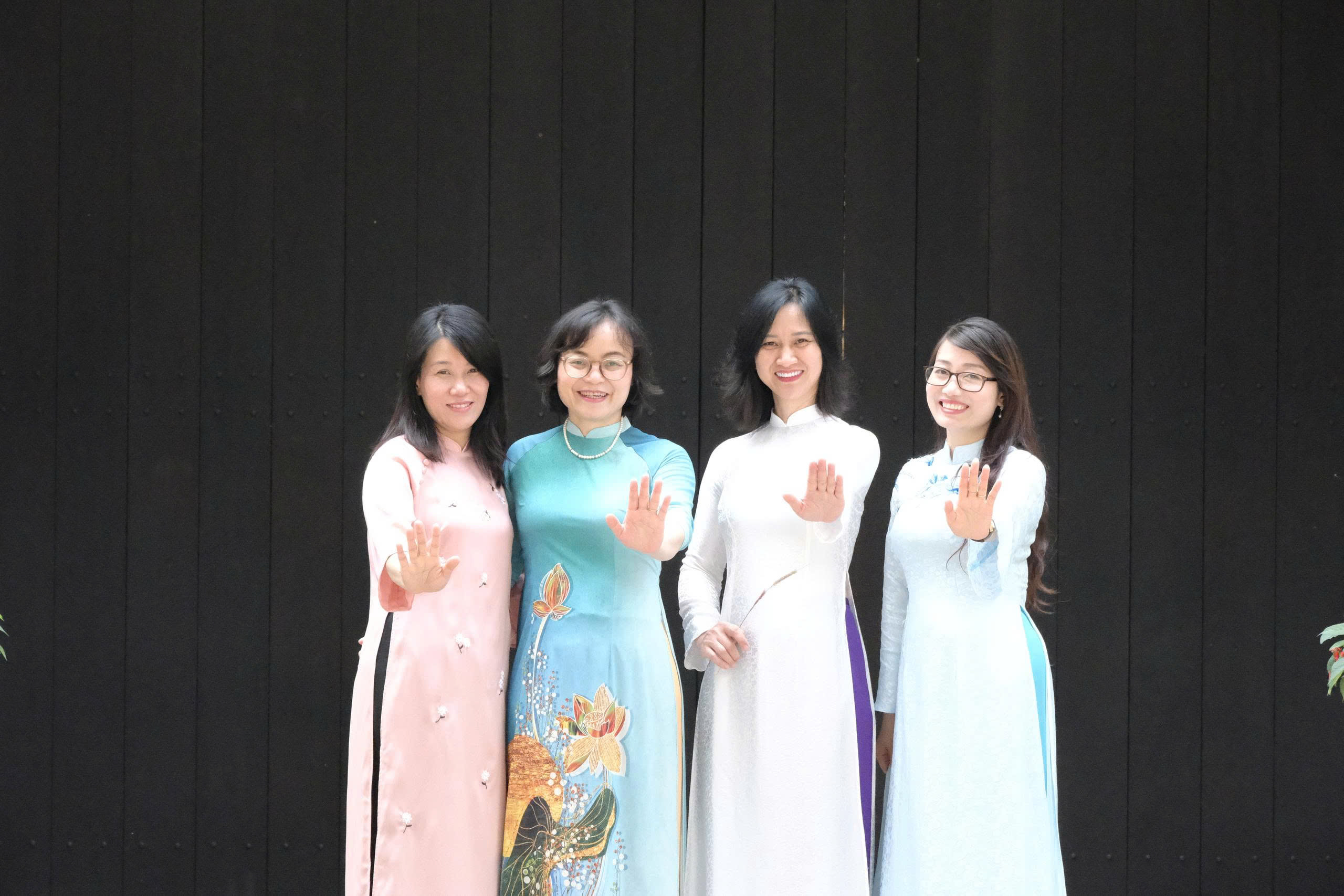
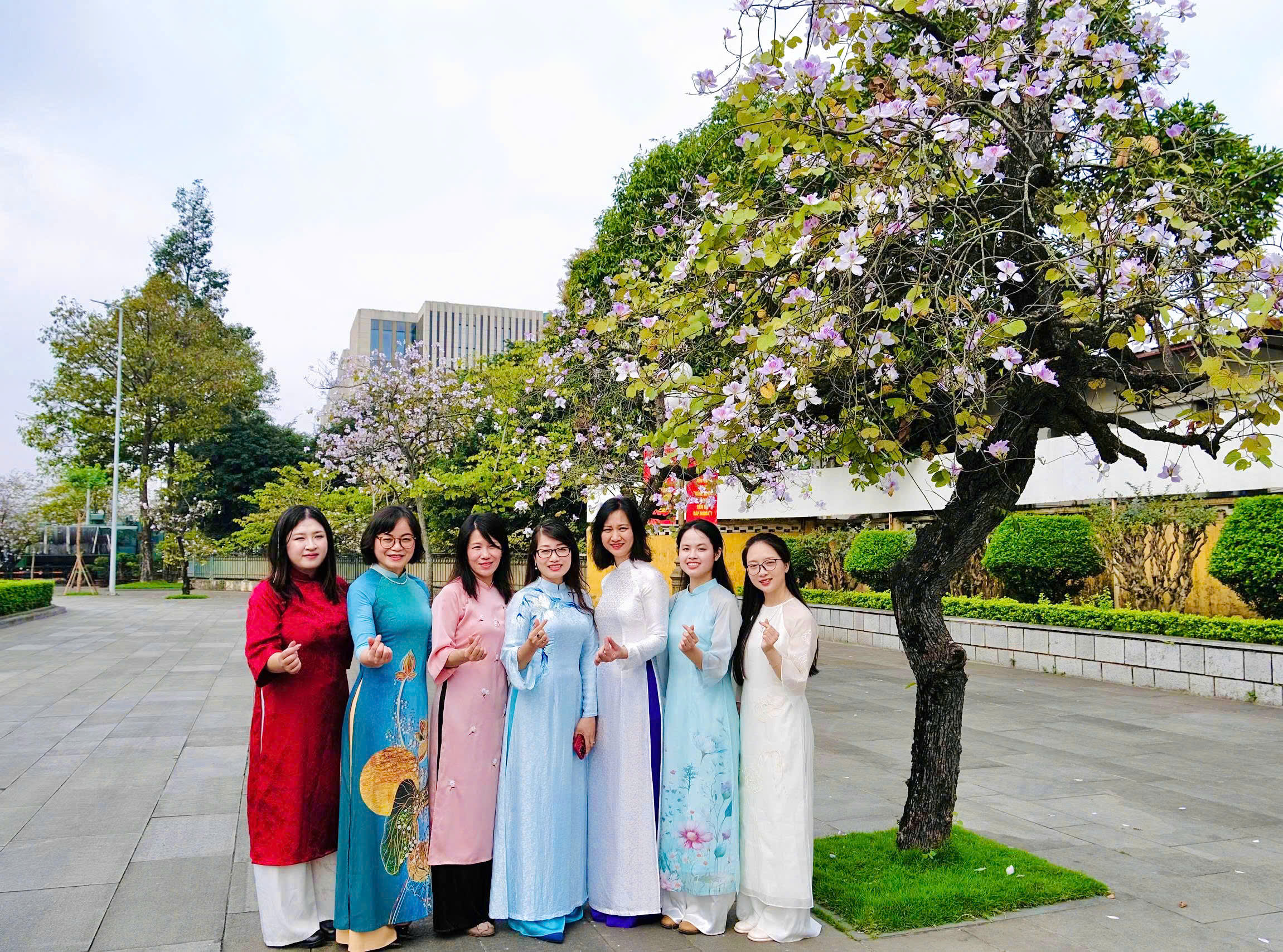
As Vietnam continues to navigate its role in the global landscape, the strategic use of cultural symbols like the *ao dai* demonstrates a sophisticated understanding of soft power and its potential to shape international perceptions. The success of “Ao Dai Week” and similar initiatives will likely pave the way for further exploration of cultural diplomacy as a key component of Vietnam’s foreign policy.
The next major event to watch is the outcome of the National Assembly elections in May 2026, which will shape the political landscape and potentially influence future cultural initiatives. We will continue to monitor developments in Vietnam’s cultural diplomacy efforts and provide updates as they unfold. What are your thoughts on the use of cultural symbols in international relations? Share your comments below.
Related reading