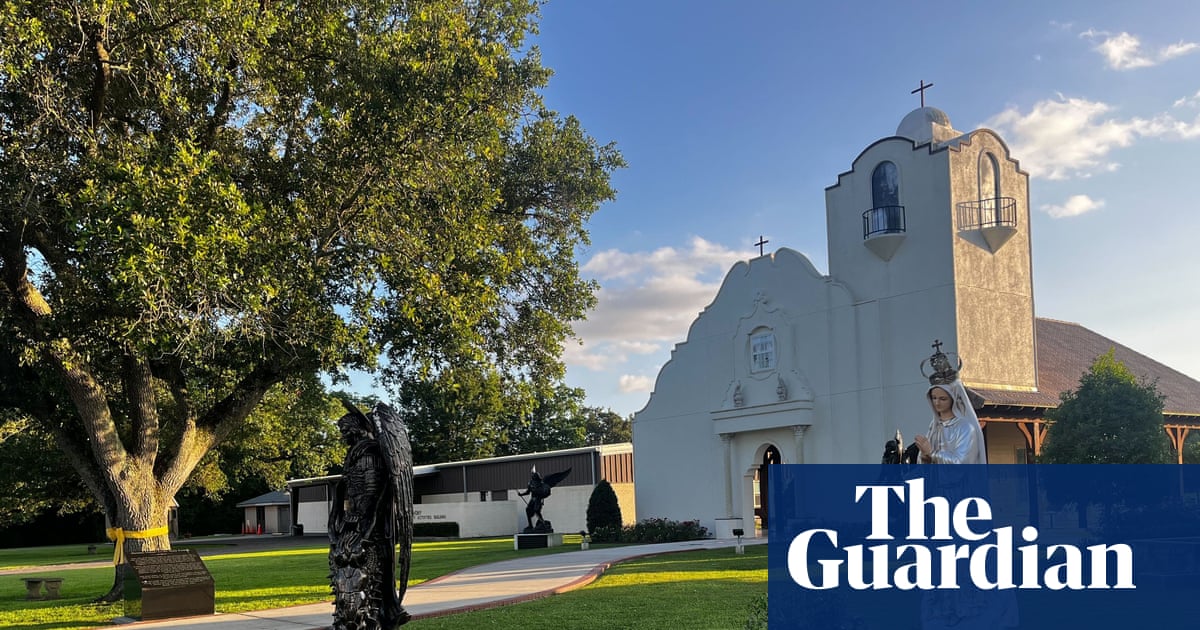
A Louisiana chapel has taken the decisive step of removing the name of a former priest following his conviction for sexual assault, a move that underscores the ongoing institutional fallout from a case that has sent shockwaves through Catholic communities in both Texas and Louisiana. The decision follows the legal proceedings against Father Hyacinth Odiong, a cleric who had previously served in the Diocese of Lafayette before his work in Texas led to criminal charges and a subsequent jury verdict.
The conviction of Father Odiong, who was found guilty of sexually abusing women under his spiritual care, has prompted a broader reckoning regarding accountability and the preservation of symbols associated with clergy members accused of serious misconduct. For many, the renaming of the chapel serves as a physical manifestation of a community’s attempt to distance itself from a figure whose actions were described in court as a profound betrayal of trust.
According to official court records from McLennan County, Texas, the jury returned a guilty verdict against Odiong, concluding a trial that brought to light allegations of abuse that occurred under the guise of spiritual guidance. The testimonies provided during the trial detailed how the defendant leveraged his position of authority to manipulate victims, leading to a conviction that has now necessitated administrative changes at institutions where he once held influence.
The Legal Proceedings and Victim Testimony
The trial in Waco, Texas, served as the focal point for the allegations against Odiong. Witnesses who testified during the proceedings described a pattern of behavior in which the priest allegedly coerced women into sexual encounters by framing them as “spiritual and holy.” As reported by local media covering the courtroom testimony, survivors expressed the deep shame and psychological toll inflicted by the abuse, noting that the spiritual framing used by the priest made it hard for them to process the reality of the violation at the time it occurred.
The criminal conviction is a significant milestone in a case that has been monitored closely by both legal observers and religious authorities. The jury’s decision to convict confirms that the evidence presented—including the accounts of those who testified—met the threshold for criminal liability under Texas law. The legal process, which concluded with a formal verdict in May 2024, has now moved into its post-conviction phase, with the sentencing process providing further clarity on the consequences of these crimes, as tracked by official reports from Catholic news outlets covering the judiciary.
Institutional Response and Renaming the Chapel
The removal of Father Odiong’s name from the Louisiana chapel is part of a growing trend in which religious organizations are re-evaluating the naming of physical spaces after individuals who have faced credible allegations of misconduct. In many instances, the retention of a name is viewed as an affront to survivors and a barrier to the healing process for those affected by clerical abuse.

While the chapel’s leadership has not issued an exhaustive public manifesto regarding the decision, the physical removal of the name functions as a clear statement of policy. It reflects an acknowledgment that the presence of the name was no longer compatible with the values of the parish or the diocese. This action aligns with broader initiatives within the church to address the legacy of abuse, ensuring that institutions remain spaces for worship rather than monuments to those who have violated the sanctity of their office.
Understanding the Impact on the Community
For the parishioners in Louisiana and the survivors in Texas, the fallout from the Odiong case is far from over. The process of reporting abuse and seeking justice through the court system is an arduous journey and the renaming of a chapel is a small, yet symbolic, step toward acknowledging the harm that has been done. It highlights the importance of institutional transparency and the necessity of listening to survivors when they come forward with accounts of abuse.
Experts in the field of institutional accountability often point to these acts of renaming as essential components of the restorative process. By removing the name of a perpetrator, the institution effectively strips them of the honor and recognition they were once granted, thereby prioritizing the dignity of the survivors over the legacy of the accused. This shift in focus is critical for maintaining the integrity of religious spaces and ensuring that they are safe for all members of the community.
Looking Ahead: Accountability and Next Steps
As the legal fallout from the conviction continues, the focus shifts to the long-term impact on the dioceses involved. The case of Father Odiong has underscored the need for rigorous vetting processes and the importance of maintaining clear boundaries between clergy and the laity. Moving forward, observers will be watching for how other institutions handle similar legacies and whether the removal of names will become a standard practice in cases involving criminal convictions of clergy.
Regarding the legal status of the case, the next steps involve the finalization of sentencing and any potential appeals that may be filed. Official updates on the case status can be monitored through the McLennan County District Clerk’s office, which maintains the public record for criminal proceedings in the jurisdiction where the conviction occurred. We encourage our readers to share their thoughts on this development in the comments section below, as we continue to track this evolving story.