A New Hope for Healing Hearts: Gene Therapy Advances Offer Potential Beyond Symptom Management
For decades, treating heart disease has largely focused on managing symptoms – medication to control blood pressure, procedures to open blocked arteries, and, in severe cases, transplants or mechanical heart support. But what if we could actually repair the damage? That possibility is moving closer to reality thanks to groundbreaking research into reactivating dormant genes within heart cells.
I’ve found that the heart, once thought incapable of significant self-repair, possesses a hidden capacity. Scientists have discovered a specific gene, CCNA2, that plays a crucial role in cell division – a process largely switched off after infancy in heart muscle. Now, researchers are finding ways to “wake up” this gene, prompting heart cells to regenerate and perhaps heal damage caused by heart attacks or heart failure.
How Does This Work?
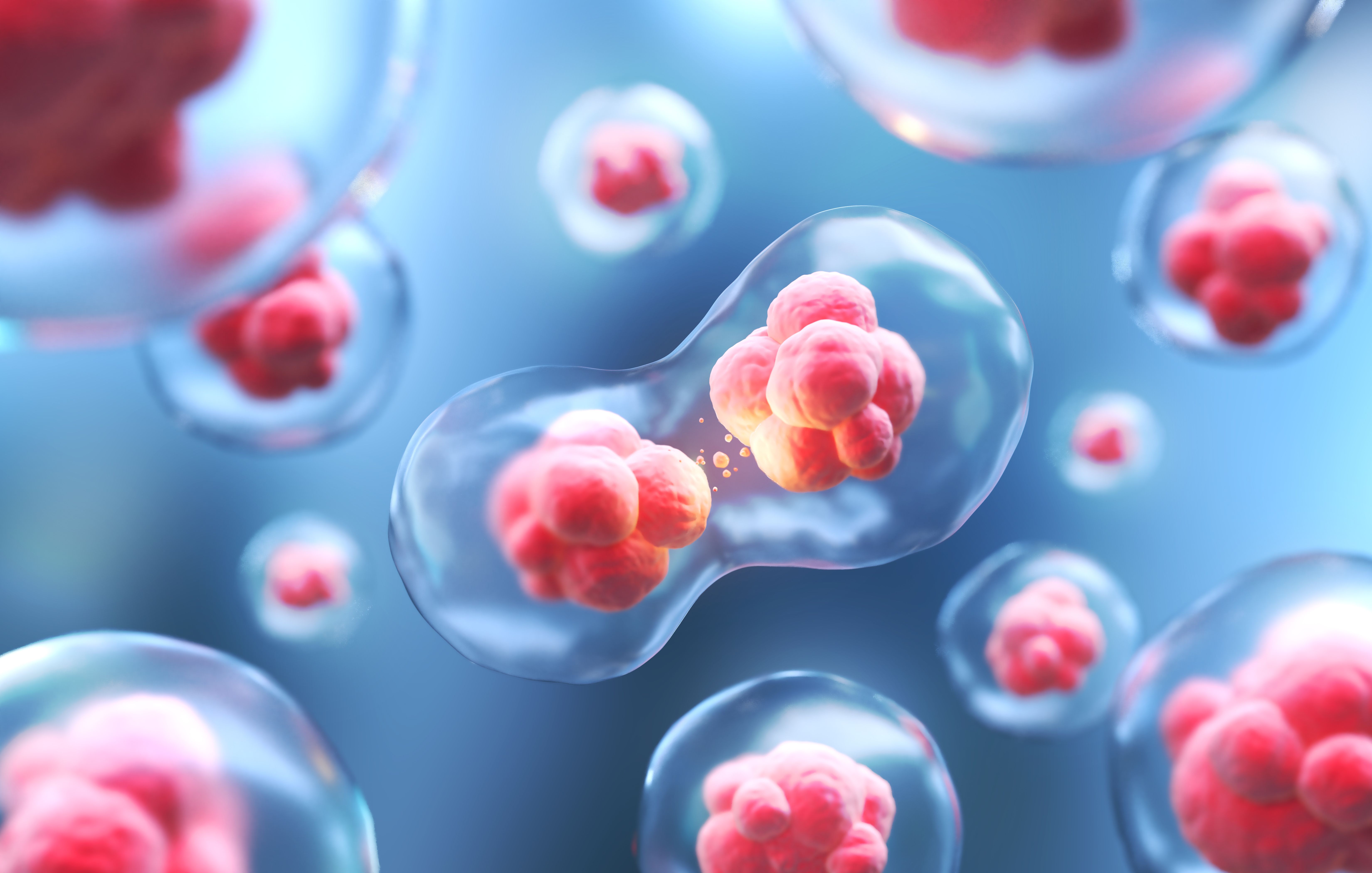
Essentially, CCNA2 controls a key step in cell division called cytokinesis. When activated in adult heart cells, it encourages them to divide and create new, healthy tissue. This is a significant departure from traditional approaches. Instead of simply supporting a failing heart, this therapy aims to restore its function.
Here’s what makes this approach so promising:
* Self-Repair: The therapy leverages the body’s own healing mechanisms.
* Reduced Reliance on Devices: Successful regeneration could lessen the need for heart transplants or mechanical pumps.
* Paradigm Shift: It moves beyond symptom management to address the root cause of heart damage.
The Path Forward: Clinical Trials on the Horizon
The next crucial step involves rigorous testing in humans. Researchers are currently preparing to seek approval from the Food and Drug Administration (FDA) to begin clinical trials. These trials will be vital in determining the safety and effectiveness of the CCNA2 therapy in patients with heart disease.
You might be wondering what this means for you or your loved ones. While still in the early stages,this research offers a beacon of hope for a future were heart damage isn’t a life sentence,but a challenge that can be overcome.
I believe this represents a fundamental shift in how we approach heart disease. It’s not just about keeping hearts beating; it’s about giving them the ability to truly heal.This is a truly exciting time for cardiovascular medicine, and I’m optimistic about the potential benefits this therapy could bring to countless individuals.
Related reading