
The United States Department of Agriculture (USDA) and the Centers for Disease Control and Prevention (CDC) have mobilized resources to manage a recent resurgence of the New World screwworm, a parasitic insect capable of causing significant harm to livestock and wildlife. Federal authorities have activated emergency response protocols, including the deployment of an Emergency Operations Center (EOC), to coordinate surveillance, containment, and public health communication efforts following the detection of the pest in specific geographic regions.
As a physician and health journalist, I recognize that the presence of Cochliomyia hominivorax—the scientific name for the New World screwworm—requires immediate attention from both agricultural sectors and public health officials. While the primary impact is on warm-blooded animals, the potential for zoonotic transmission remains a focal point for the CDC’s current Emergency Operations Center activation, which serves to streamline interagency cooperation during complex biological threats.
Understanding the New World Screwworm Threat
The New World screwworm is not a typical fly. Unlike common houseflies, the female screwworm fly deposits her eggs in the open wounds of living mammals. Once hatched, the larvae—or maggots—burrow into the host’s flesh, feeding on living tissue. This process can lead to severe infections, tissue necrosis, and, if left untreated, the death of the host animal. According to the USDA Animal and Plant Health Inspection Service (APHIS), the United States was declared free of the New World screwworm in 1966 after a decades-long effort utilizing the Sterile Insect Technique (SIT), which involves releasing sterilized male flies to disrupt the reproductive cycle of the population.
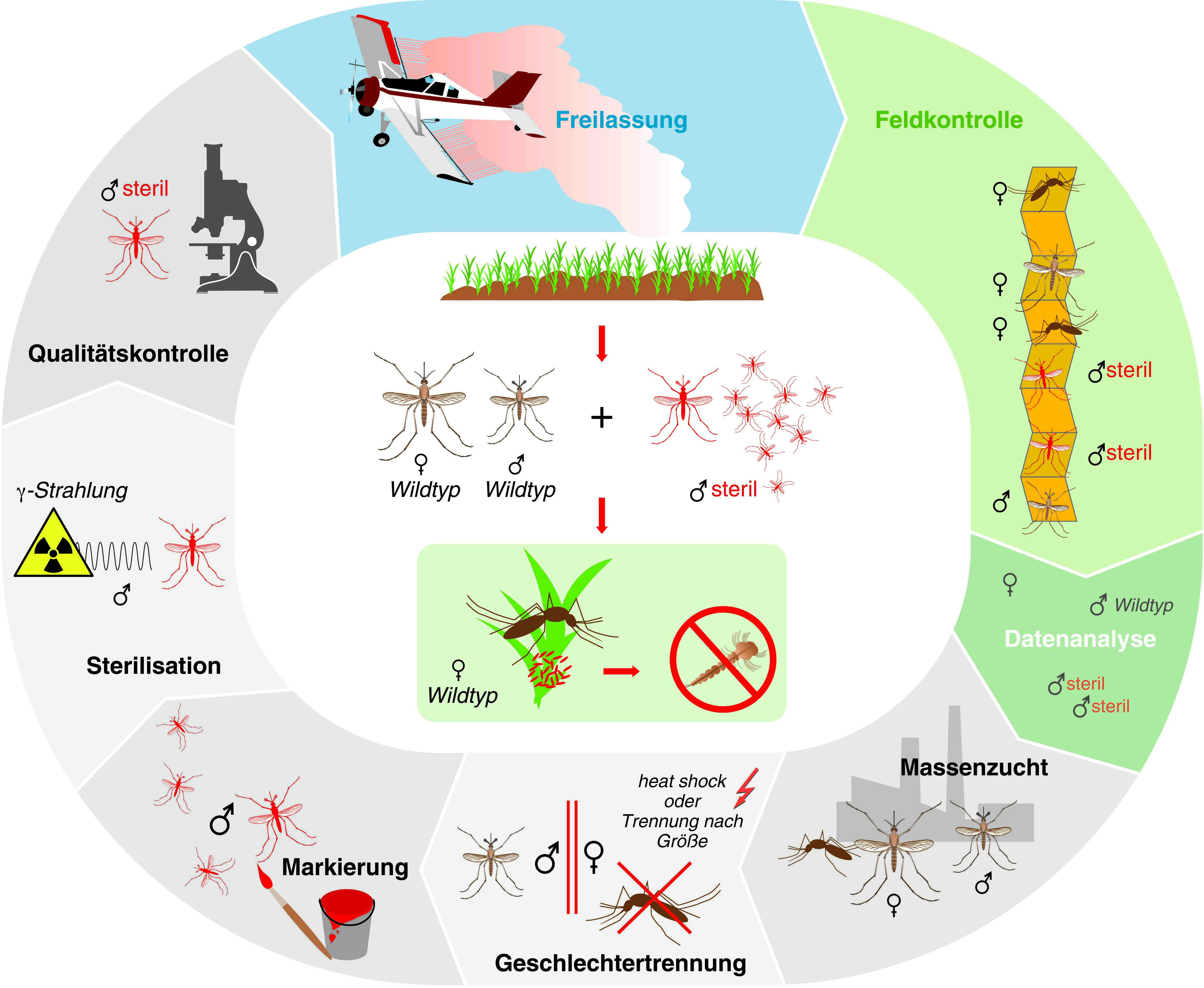
The current activation of the EOC signifies a heightened state of vigilance. When federal agencies move to an emergency footing, it indicates that the risk of spread has reached a threshold requiring centralized data management and rapid deployment of field teams. This is a critical step in preventing the re-establishment of a pest that once cost the American livestock industry millions of dollars annually in lost production and veterinary costs.
Public Health and Veterinary Implications
For pet owners, livestock producers, and wildlife enthusiasts, the primary line of defense is rigorous observation. Veterinarians advise that any unexplained, persistent wound on an animal should be examined immediately. In areas where the screwworm is suspected or confirmed, reporting is mandatory. The USDA maintains a reporting portal for producers and the general public to notify authorities of potential sightings or symptoms, which facilitates the rapid response necessary to contain localized outbreaks.
While human infestations are rare, they are possible if the larvae are introduced to a wound or a body orifice. Medical professionals are currently being briefed on the clinical presentation of myiasis—the infestation of tissue by fly larvae—to ensure that any suspected human cases are identified and treated promptly. The CDC’s involvement ensures that public health messaging is consistent across state lines, particularly in regions where environmental conditions may favor the survival and spread of the insect.
Why Federal Coordination Matters Now
The activation of the EOC is a strategic response to the potential for rapid ecological spread. Agricultural experts have long warned that changing climate patterns and increased movement of livestock across international borders necessitate robust monitoring systems. By centralizing the response, the federal government can allocate resources such as sterile fly releases and localized quarantine measures more efficiently than individual states could achieve in isolation.
According to updates provided by the Centers for Disease Control and Prevention, the goal of this mobilization is to provide a unified framework for data analysis, diagnostic support, and policy implementation. This coordination is essential for maintaining the “screwworm-free” status that the United States has held for over half a century. The effectiveness of this response relies heavily on the cooperation of the private sector and the public in adhering to movement restrictions for livestock and reporting potential cases without delay.
What Happens Next
The federal response remains ongoing as teams conduct field surveillance and evaluate the efficacy of current containment strategies. Stakeholders should monitor the USDA APHIS official website for the latest advisories, which are updated regularly as new data from the EOC becomes available. Future actions may include expanded sterile fly releases or temporary adjustments to animal transport regulations, depending on the success of the current containment efforts.
Public awareness remains the most effective tool in the early detection of this parasite. I encourage our readers to stay informed through verified government channels and to consult with local veterinary authorities regarding specific precautions for their region. We will continue to track this situation as further reports are released by federal health and agricultural departments. Please share your thoughts in the comments below or join the conversation on our social media platforms as we monitor these important developments.
Worth a look