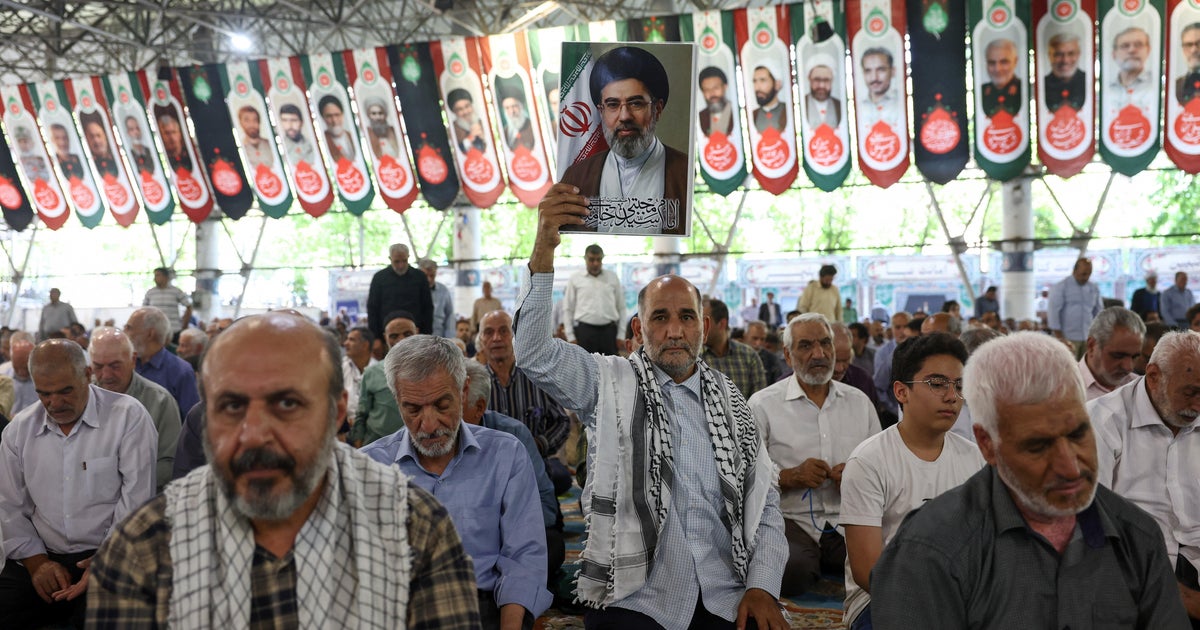
Diplomatic efforts to finalize a U.S.-Iran peace deal have reached a critical stage, with international observers monitoring claims of a completed, agreed-upon text. While reports regarding the specific status of these negotiations vary, the potential for a formal agreement has prompted significant discussion among global stakeholders, including officials in Pakistan and the United States, regarding the future of regional stability and ongoing geopolitical tensions.
According to reports from Reuters, both Washington and Tehran have signaled that a diplomatic framework is nearing completion, though the precise contents of any such agreement remain subject to intense scrutiny and debate. The prospect of a deal follows years of intermittent communication, with the Iranian foreign minister recently stating that negotiations have reached a point of unprecedented proximity, as noted in coverage by Axios.
Status of the Diplomatic Framework
The current discourse centers on whether a definitive document has been settled. While some reports suggest a final text is ready, the U.S. State Department has maintained a more cautious approach, emphasizing that any potential resolution must address long-standing concerns regarding nuclear proliferation, regional security, and the status of international sanctions. Official government statements, accessible through the U.S. Department of State, continue to stress that the administration remains committed to a diplomatic path but has not publicly declared the negotiations finalized.

The complexity of these talks is underscored by the divergent objectives of the parties involved. As reported by the Associated Press, several policy goals established during previous administrations remain unfulfilled, creating a challenging environment for current negotiators. The primary difficulty lies in reconciling Iran’s desire for economic relief and the lifting of sanctions with the United States’ demand for robust, verifiable restrictions on Iran’s ballistic missile program and regional influence.
Regional Implications and International Perspectives
The role of third-party intermediaries, including Pakistan, has become increasingly prominent in the public narrative. Diplomatic channels in the region often serve as facilitators for back-channel communications when direct dialogue between Washington and Tehran is restricted. However, the influence of these intermediaries is often limited to logistical support rather than the substantive negotiation of treaty terms, which typically requires direct engagement between the primary stakeholders.

For the international community, a finalized agreement would represent a significant shift in Middle Eastern security architecture. According to analysis from the Council on Foreign Relations, the success of such a deal depends on the mechanisms for monitoring compliance, specifically regarding the International Atomic Energy Agency’s (IAEA) ability to conduct inspections. The absence of a clear, transparent verification process remains a primary point of contention for lawmakers in the U.S. Congress, who have expressed concerns that a premature agreement could undermine long-term security interests.
Key Challenges to Implementation
Beyond the text itself, the implementation of any U.S.-Iran deal faces significant domestic political hurdles. In the United States, the potential for legislative oversight or challenges to executive authority creates uncertainty regarding the longevity of any commitment. Similarly, internal political dynamics in Tehran influence the extent to which the Iranian government can concede on key security issues without facing domestic backlash.
The following table outlines the primary areas of friction that have historically complicated these negotiations:
| Issue | U.S. Position | Iranian Position |
|---|---|---|
| Nuclear Program | Strict limitations and IAEA oversight | Right to peaceful nuclear energy |
| Sanctions | Linked to behavioral changes | Requirement for total removal |
| Regional Influence | Cease support for proxy groups | Sovereign right to regional defense |
Next Steps in the Negotiation Process
There is no officially scheduled date for a formal signing ceremony or the public release of a finalized text. The next confirmed checkpoint for stakeholders will likely involve sessions of the United Nations General Assembly or potential ministerial-level meetings where diplomatic progress can be assessed. Observers are advised to monitor official briefings from the White House and the Iranian Ministry of Foreign Affairs for any verifiable updates regarding the status of the talks.

As the situation develops, the global community remains attentive to whether the current diplomatic momentum will translate into a sustainable agreement. Public interest in these developments remains high, and further updates will be provided as official confirmation of the text’s status becomes available. Readers are encouraged to share their insights and monitor this space for ongoing coverage of this evolving international situation.