
The U.S. Centers for Disease Control and Prevention (CDC) has confirmed recent H5N1 bird flu infections among dairy workers in multiple states, marking a concerning shift in how the virus is spreading beyond its traditional avian hosts. As of June 2024, at least 12 human cases have been reported since March, with workers in Michigan, Texas, and Idaho among those affected, according to the CDC’s latest avian influenza advisories. The agency has updated its guidance to emphasize stricter biosecurity measures for dairy farms and processing facilities, reflecting growing evidence that the virus can infect mammals—including humans—through direct or indirect contact with infected animals.
This development raises urgent questions about occupational risks for dairy workers, the potential for wider transmission, and whether the current public health infrastructure is equipped to handle such spillover events. While H5N1 remains rare in humans, the CDC’s updated telebriefing signals a shift from containment to preparedness, as officials acknowledge the virus’s ability to jump species barriers more easily than previously understood.
Dr. Helena Fischer, Editor of Health at World Today Journal, notes that these cases highlight a critical gap: “The dairy industry has long operated under the assumption that bird flu was an avian-only threat. Now, with confirmed human infections linked to occupational exposure, we’re seeing a real-world test of how well workplace safety protocols can adapt to emerging zoonotic risks.”
Key Takeaways: What We Know So Far
- 12 confirmed human cases of H5N1 in the U.S. since March 2024, all linked to dairy farm exposure (CDC).
- Symptoms reported include fever, cough, fatigue, and pneumonia—mirroring severe seasonal flu but with higher mortality risk (WHO).
- CDC now recommends N95 respirators, handwashing, and avoiding contact with raw milk or sick animals for dairy workers (NIOSH).
- No evidence yet of sustained human-to-human transmission, but genetic studies show the virus is adapting to mammals (Nature).
- Global cases of mammalian H5N1 infections have risen 50% since 2023, per FAO data (FAO).
How H5N1 Is Spreading Among Dairy Workers—and What It Means
The CDC’s latest findings confirm what virologists have warned for months: H5N1, a strain of avian influenza, is no longer confined to birds. Since late 2023, the virus has infected mink, foxes, and even seals in Europe and North America, with genetic mutations suggesting it’s becoming better at infecting mammals. The dairy worker cases—first identified in Michigan in March—represent the first clear evidence of occupational transmission to humans in the U.S.
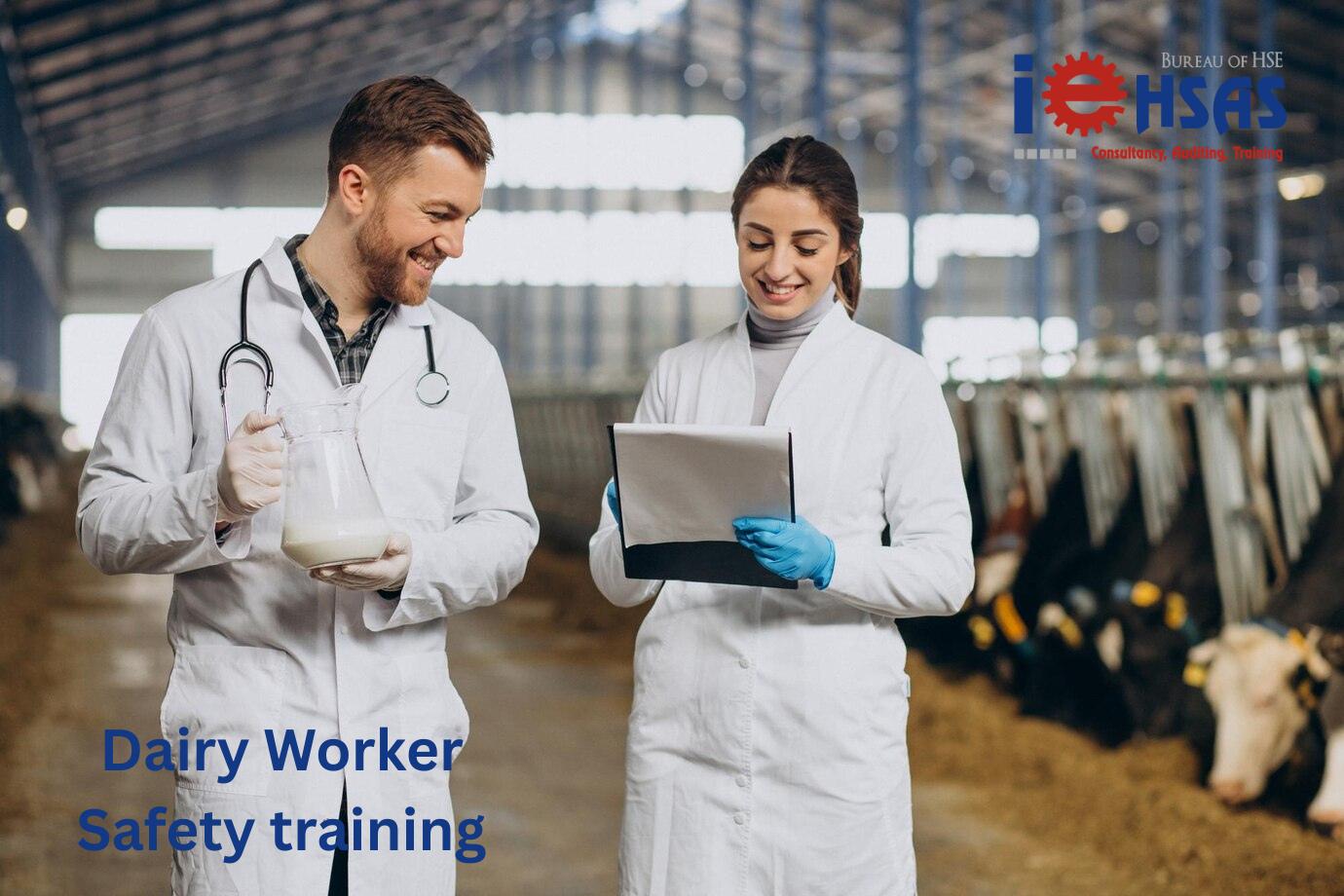
“This isn’t a surprise to virologists, but it’s a wake-up call for public health,” says Dr. Marc Lipsitch, an epidemiologist at Harvard’s T.H. Chan School of Public Health. “The virus has been circulating in dairy herds for months, and now we’re seeing spillover into workers. The question is whether this will remain a niche occupational risk or if it could evolve into something more widespread.”
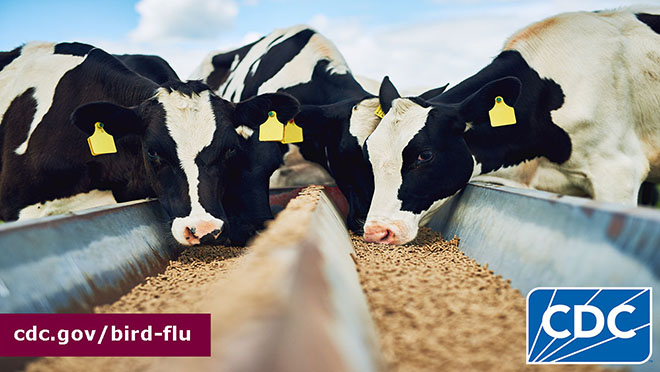
According to the CDC, infected workers reported direct contact with sick or deceased dairy cattle, though the agency has not ruled out indirect exposure (e.g., through contaminated equipment or milk). Symptoms included fever, cough, muscle aches, and pneumonia, with one case requiring hospitalization. While none of the confirmed patients died, the CDC emphasizes that H5N1 remains highly lethal in humans, with a 60% mortality rate in previously reported cases (WHO).
Why dairy workers? The answer lies in the unique risks of their work environment. Dairy farms often involve close contact with animals, raw milk, and organic materials—all potential pathways for viral exposure. “Unlike poultry workers, who are used to strict biosecurity measures, dairy farms have historically treated avian flu as a distant threat,” explains Dr. Lisa Gorski, a veterinary epidemiologist at the University of Minnesota. “Now, with cattle testing positive for H5N1 in multiple states, the industry is scrambling to update protocols.”
CDC’s Updated Guidance: What Dairy Workers—and the Public—Need to Know
The CDC’s revised interim guidance for dairy operations includes several critical updates:
- Biosecurity measures: Workers should wear N95 respirators when handling sick animals or in high-risk areas, and farms should restrict access to essential personnel only.
- Milk safety: While pasteurization kills the virus, raw milk should be avoided until further testing is complete. The CDC advises boiling raw milk if consumed.
- Surveillance: Dairy farms are now encouraged to monitor cattle for unexplained deaths, respiratory distress, or reduced milk production—key signs of H5N1 infection.
- Reporting: Any suspected cases in humans or animals should be reported immediately to state health departments.
The guidance also clarifies that there is no evidence of human-to-human transmission at this time, but the CDC is monitoring the situation closely. “We’re treating this as a serious occupational hazard, not a pandemic threat—yet,” says Dr. Jennifer Nuzzo, director of the Pandemic Center at Brown University. “But the more the virus circulates in mammals, the higher the risk of adaptation.”
Global Context: Are Other Countries Facing the Same Risks?
The U.S. is not alone in grappling with mammalian H5N1 spillover. In Europe, mink farms in Spain and Greece have reported outbreaks, while seals in the Netherlands and Germany tested positive in 2023 (EFSA). The World Organisation for Animal Health (OIE) has documented over 1,200 mammalian infections since 2020, a 200% increase from the previous decade.
“This is a global problem, not just an American one,” says Dr. Peter Daszak, president of EcoHealth Alliance. “The more the virus jumps species, the more opportunities it has to mutate into a form that could spread easily between people.” While no such mutation has been detected yet, the CDC’s Dr. Nirav Shah warned in a recent briefing that “we must assume the worst and prepare for the best.”
What Happens Next? Monitoring, Research, and Public Health Preparedness
The CDC has outlined a multi-pronged response to address the dairy worker cases and prevent further spread:

- Enhanced surveillance: The agency is working with state health departments to identify additional cases and track potential clusters.
- Vaccine research: While no human H5N1 vaccine exists, the CDC is collaborating with manufacturers to assess the need for updated formulations.
- Industry collaboration: The USDA is partnering with dairy associations to distribute free testing kits and biosecurity training for farms.
- Public communication: The CDC will issue updated advisories as new data emerges, with a focus on occupational safety for high-risk workers.
The next critical checkpoint is the CDC’s June 2024 Avian Influenza Town Hall, scheduled for June 18, 2024, where officials will provide an update on human cases, animal surveillance, and potential policy changes (CDC event page). Meanwhile, the World Health Organization (WHO) is convening an emergency committee in July to assess the global risk.
FAQ: What You Need to Know About H5N1 and Dairy Workers
Q: Can I get H5N1 from drinking milk?
A: Pasteurized milk is safe, but raw milk could pose a risk if contaminated. The CDC advises boiling raw milk if consumed (CDC milk safety guidelines).
Q: Are there symptoms I should watch for?
A: Early signs include fever, cough, sore throat, and fatigue. Severe cases may progress to pneumonia or respiratory failure. If you’ve had contact with sick animals and develop symptoms, seek medical attention immediately.
Q: Is this a pandemic risk?
A: Not yet. The CDC emphasizes that human-to-human transmission has not been documented, but the agency is monitoring the situation closely. Pandemic risk depends on whether the virus mutates to spread easily between people.
Q: What should dairy farmers do?
A: Implement strict biosecurity measures, including N95 respirators, handwashing stations, and restricted farm access. Report sick animals to state veterinary officials immediately (USDA reporting).
Q: Where can I find updates?
A: The CDC (avian flu page), WHO (avian influenza updates), and the USDA (animal health alerts) provide real-time information.
The CDC’s latest guidance underscores a harsh reality: the line between animal and human health is blurring. As dairy workers become the latest frontline in this battle, the question remains whether public health systems can adapt quickly enough to prevent a broader outbreak. With the next critical updates expected in mid-June, now is the time for farms, workers, and consumers to stay informed—and vigilant.
Have questions or insights? Share your thoughts in the comments below or on our social channels. Stay safe, and keep an eye on official advisories for the latest developments.
Related reading