CDC Leadership Exodus: A Crisis of Public Health and Trust
The Centers for Disease Control and prevention (CDC) is facing an unprecedented crisis, marked by a rapid departure of key leadership and a deeply eroded public trust. Recent events,culminating in the removal of Director Susan Monarez and a wave of resignations from top officials,signal a potentially devastating blow to the nation’s public health infrastructure. This article delves into the factors driving this turmoil, the implications for future health crises, and what it means for you.
The Ousting of Director Monarez
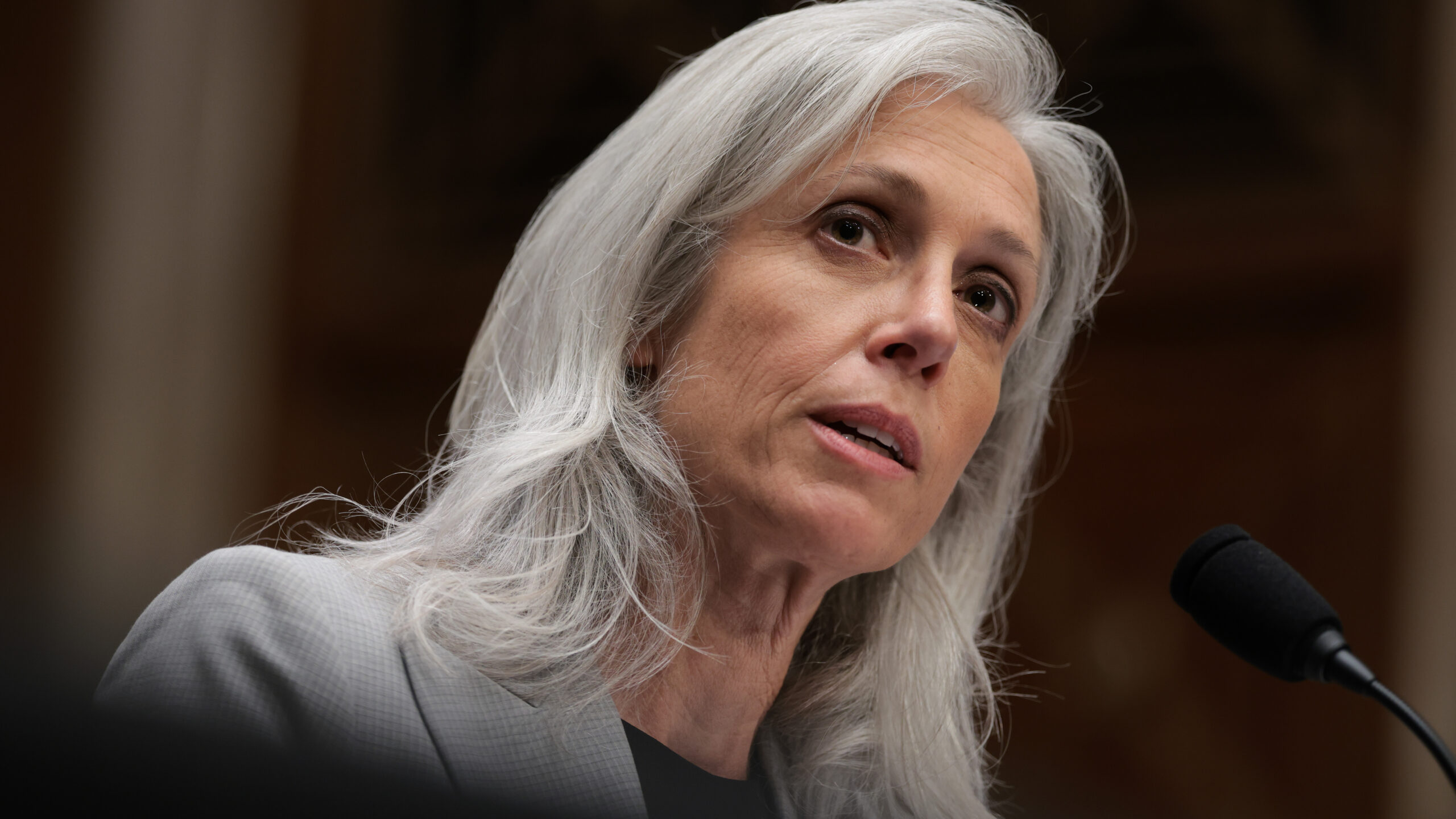
On August 27, 2025, news broke that Susan Monarez, appointed as CDC director earlier in the year, had been removed from her position. While the Department of Health and Human Services (HHS) offered limited explanation, citing a desire for “new leadership,” the timing and surrounding circumstances suggest a more complex situation.
Sources indicate a clash over the agency’s direction and a growing frustration with political interference in scientific matters. Monarez, described by the American Public Health Association’s executive director Georges Benjamin as someone who “values science” and is a “solid researcher,” appears to have faced resistance in navigating the increasingly politicized landscape of public health.
A Cascade of Resignations
Monarez’s removal triggered a cascade of resignations from other high-ranking CDC officials. These departures include:
Daniel Jernigan: Director of the National Center for Emerging Zoonotic Infectious Diseases. Deb Houry: Chief Medical Officer, who stated she could no longer serve due to ongoing changes preventing effective leadership and a commitment to science free from political interpretation.
Demetre Daskalakis: Director of the National Center for Immunization and Respiratory Diseases, citing the “ongoing weaponization of public health” as his reason for leaving.
Jennifer Layden: Director of the agency’s Office of Public Health Data, Surveillance, and Technology.
These aren’t isolated incidents. They represent a systemic breakdown in morale and a loss of confidence in the CDC’s ability to operate independently and effectively.
The Roots of the Crisis: Misinformation and Attacks
The current crisis didn’t emerge overnight.It’s the culmination of years of escalating attacks on public health institutions and the spread of dangerous misinformation.The COVID-19 pandemic served as a stark illustration of this vulnerability.
Figures like Robert F. kennedy Jr. have actively undermined public trust in the CDC, falsely claiming the COVID-19 vaccines were the “deadliest vaccine ever made” and labeling the agency a “cesspool of corruption.” This rhetoric fueled a climate of hostility and distrust, culminating in a violent act just weeks ago.
The CDC Shooting: A Terrifying Manifestation of Disinformation
On August 8, 2025, a gunman motivated by vaccine disinformation opened fire on the CDC campus in Atlanta. Nearly 500 shots were fired, striking six buildings and forcing staff to seek shelter. Tragically,a local police officer was killed in the incident.
this attack wasn’t a random act of violence. It was a direct consequence of the relentless spread of false facts and the demonization of public health experts. It underscores the real-world dangers of unchecked misinformation and the urgent need to protect those dedicated to safeguarding your health.
What Does This Meen for You?
The unraveling of the CDC’s leadership has significant implications for public health preparedness and your safety. A weakened CDC is less equipped to:
Respond effectively to emerging health threats: from novel viruses to antibiotic-resistant bacteria, a compromised CDC will struggle to detect, track, and contain outbreaks.
Provide accurate and reliable information: Political interference and a loss of scientific expertise can lead to the dissemination of misleading or incomplete information, hindering informed decision-making.
Maintain public trust: Without trust,public health initiatives – like vaccination campaigns and disease prevention programs – will be less effective.
Protect vulnerable populations: Those most at risk from health threats – the elderly, immunocompromised individuals, and marginalized communities - will be disproportionately affected by a weakened public health system.
Looking Ahead: Rebuilding Trust and strengthening Public Health
Rebuilding the CDC and restoring public trust will require a concerted effort. This includes:
Protecting scientific independence: Shielding the CDC from political interference and ensuring that decisions are based on evidence,not ideology.
**Combating misinformation