
The Advisory Committee on Immunization Practices (ACIP), a federal panel that provides guidance to the Centers for Disease Control and Prevention (CDC) on vaccine usage, has adopted a new charter that broadens the criteria for member selection and expands the committee’s mandate to include the evaluation of non-vaccine alternatives for disease prevention. The updated charter, which was officially posted to the CDC’s website, shifts the focus from a primary emphasis on vaccine-specific expertise to a more generalized requirement for a balanced range of clinical, scientific, and public health knowledge.
This organizational change represents a departure from previous versions of the charter, which historically prioritized specialized research experience in vaccines and immunology when selecting committee members. By explicitly incorporating the responsibility to review alternatives to vaccination, the ACIP is signaling a broader scope in how it approaches public health strategies for preventing infectious diseases in the United States. According to the CDC’s administrative documentation, the charter is subject to periodic renewal to ensure that the committee’s advisory functions remain aligned with current public health needs and federal policy requirements.
Understanding the ACIP’s Role in Public Health
The ACIP is a group of medical and public health experts tasked with developing recommendations for the use of vaccines in the pediatric and adult populations of the United States. Its guidance typically forms the basis for the CDC’s official vaccination schedules, which influence state laws, school entry requirements, and insurance coverage policies. Historically, the committee has been composed of individuals with deep technical knowledge in vaccine development, clinical trials, and epidemiology.
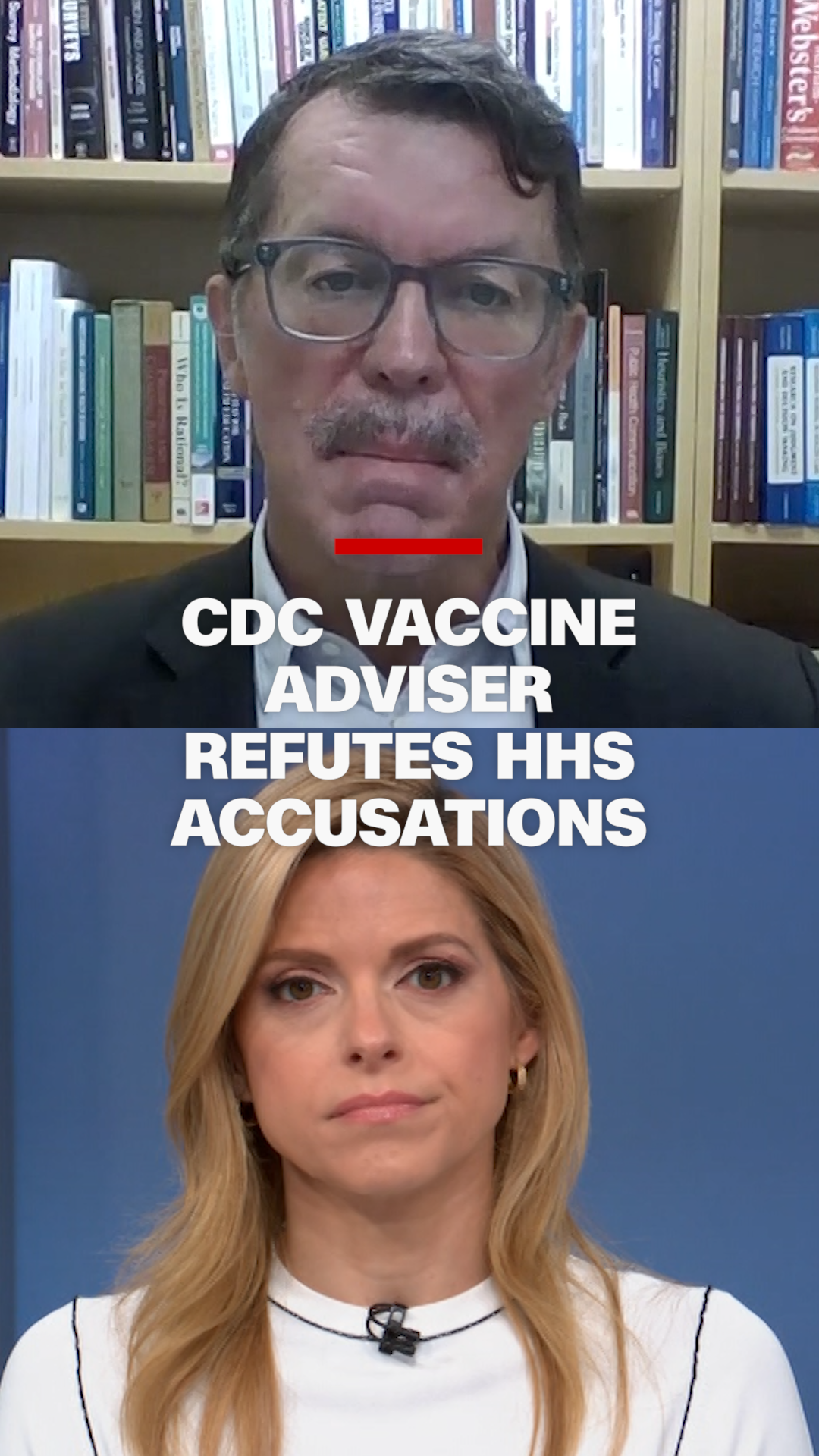
The newly published charter stipulates that the panel’s collective expertise should cover a “balanced range of scientific, clinical, and public health expertise relevant to the Committee’s mission.” Critics and observers of the agency have noted that this language is broader than previous iterations, which specifically emphasized the necessity of research-relevant experience in vaccines. This change means that experts in fields related to general disease control—who may not have a background in immunology or vaccine technology—could now be eligible for appointment to the panel.
The Shift Toward Broader Disease Prevention Strategies
A significant portion of the updated charter is the formal inclusion of “alternatives for disease prevention” within the committee’s purview. While the ACIP has long considered the broader context of disease control, this language codifies the expectation that members will evaluate non-vaccine interventions alongside traditional immunization protocols. This could include, for example, the review of monoclonal antibodies, prophylactic medications, or other pharmacological strategies that aim to reduce the burden of infectious disease.

This mandate aligns with ongoing efforts at the federal level to integrate various preventive tools into a more comprehensive public health framework. The inclusion of these alternatives reflects a shift toward a more holistic view of disease management. According to the Department of Health and Human Services (HHS), which oversees federal advisory committees, all such charters must be reviewed every two years to ensure they continue to serve a necessary purpose and that their functions are not duplicative of other existing committees.
Implications for Future Committee Appointments
The change in language regarding member selection has sparked discussions among public health professionals regarding the future composition of the ACIP. The requirement for a “balanced range” of expertise is intended to ensure that the committee can address the complexities of modern disease prevention, which often requires input from diverse fields such as pharmacy, nursing, pediatrics, and public health administration.
However, the shift away from a mandatory requirement for vaccine-specific research experience has led some stakeholders to question how the committee will maintain its technical rigor. Because the ACIP’s recommendations carry significant weight—often determining the standard of care for millions of Americans—the expertise of its members remains a subject of intense scrutiny. The official charter document confirms that members are appointed by the Secretary of the Department of Health and Human Services, following a nomination process that seeks to maintain a diverse and representative panel.
What Happens Next
The ACIP continues to hold regular public meetings to discuss and vote on recommendations for vaccines and other preventive measures. These meetings are open to the public and provide a forum for clinicians, advocacy groups, and members of the public to offer input on proposed policies. The next steps for the committee will involve applying the criteria set forth in the new charter to upcoming appointments and ensuring that the committee’s agenda reflects its expanded mandate.
For those interested in tracking the committee’s progress or reviewing the specific details of the new charter, the official ACIP website serves as the primary repository for meeting minutes, voting records, and updated guidance documents. As the committee moves forward under these new guidelines, the public health community will be watching to see how the inclusion of non-vaccine alternatives influences the development of future prevention strategies. We encourage our readers to participate in the conversation by sharing their perspectives on these administrative changes in the comments section below.
Keep reading