
Reports of supermarket looting in Venezuela following recent seismic activity have surfaced through social media and regional news segments, highlighting the country’s extreme vulnerability to natural disasters. While official confirmation of a widespread looting wave from the Venezuelan government remains unavailable, the reports coincide with a period of heightened economic instability and food insecurity across the nation. These incidents, if verified, suggest that natural tremors may act as a catalyst for civil unrest in areas where resource scarcity is already acute.
The situation in Venezuela remains fluid as local authorities and humanitarian organizations monitor the impact of recent tremors on the country’s fragile infrastructure. While specific details regarding the scale of the supermarket ransacking have not been independently confirmed by major international news agencies like Reuters or the Associated Press, the reports have triggered significant concern regarding the stability of food supply chains in the affected regions.
What seismic activity has been recorded in Venezuela?
Recent geological monitoring has detected several tremors in the region, contributing to a sense of instability among local populations. While the exact number and magnitude of recent events are subject to ongoing verification by seismic monitoring agencies, reports from social media and local news outlets suggest that at least two significant tremors have occurred within a short timeframe. These reports claim the seismic events have caused localized damage and heightened public anxiety.
Venezuela sits in a complex tectonic zone where the Caribbean Plate and the South American Plate interact. This interaction frequently produces seismic activity along various fault lines, particularly in the northern coastal regions and near the Andes. According to geological data, these movements can range from minor tremors to more significant earthquakes that threaten aging urban infrastructure. The psychological impact of these events is often magnified in regions where residents already face daily challenges related to basic services and economic survival.
How are reports of supermarket looting being characterized?
Footage circulating on social media platforms depicts groups of individuals entering retail establishments and removing large quantities of food and essential goods. These videos, which have been highlighted by various regional news segments, show scenes of chaos within supermarket aisles. While these clips provide visual evidence of unrest, they do not immediately clarify whether the looting is a direct response to the earthquakes or a manifestation of long-standing economic grievances.

Local journalists and eyewitnesses captured in these reports describe a sense of panic following the tremors. Some observers suggest that the fear of impending aftershocks, combined with the potential for disrupted supply routes, has prompted some citizens to secure supplies through unauthorized means. However, without official statements from the Venezuelan Ministry of Interior, Justice, and Peace, the extent to which these incidents are organized or spontaneous remains unclear.
Why do earthquakes exacerbate economic instability in Venezuela?
The intersection of natural disasters and economic fragility creates a high-risk environment for civil disorder. Venezuela has faced a protracted economic crisis characterized by hyperinflation and severe shortages of essential commodities. When a natural disaster like an earthquake occurs, it places immediate stress on a system that is already operating at a breaking point.
The impact of seismic activity on the economy can be categorized into three primary areas:
- Supply Chain Disruption: Tremors can damage roads, bridges, and electrical grids, making it difficult for food and medicine to reach urban centers.
- Resource Panic: Pre-existing food insecurity can lead to “panic buying” or looting when citizens fear that a disaster will lead to a total depletion of stocks.
- Infrastructure Costs: The diversion of limited government funds toward disaster relief often comes at the expense of social programs and economic stabilization efforts.
Economists have noted that in environments where the currency has lost significant value, physical goods like food and canned supplies often become more reliable forms of “wealth” than local currency. This reality can drive individuals to prioritize the immediate acquisition of goods during times of perceived crisis.
What are the broader implications for regional food security?
The reported unrest in Venezuela’s supermarkets is not an isolated phenomenon but part of a larger pattern of food insecurity affecting several nations in the Caribbean and South American regions. Organizations such as the World Food Programme (WFP) have frequently highlighted the vulnerability of populations in these areas to both economic shocks and climate-related or geological disasters.
When supermarkets are looted or supply chains are broken, the immediate result is a localized scarcity that drives prices even higher in the informal market. This creates a cycle where the most vulnerable populations are pushed further into malnutrition. For humanitarian agencies, the challenge lies in delivering aid to areas where both physical access is limited by earthquake damage and social access is limited by civil unrest.
How does misinformation impact disaster response?
The rapid spread of unverified footage during seismic events presents a significant challenge for emergency responders and government officials. While social media can provide real-time information, it can also facilitate the spread of panic through unconfirmed reports of looting or widespread destruction. In the case of the recent reports in Venezuela, the lack of official confirmation creates a vacuum that can be filled by speculation, potentially worsening the very unrest that reports claim to document.
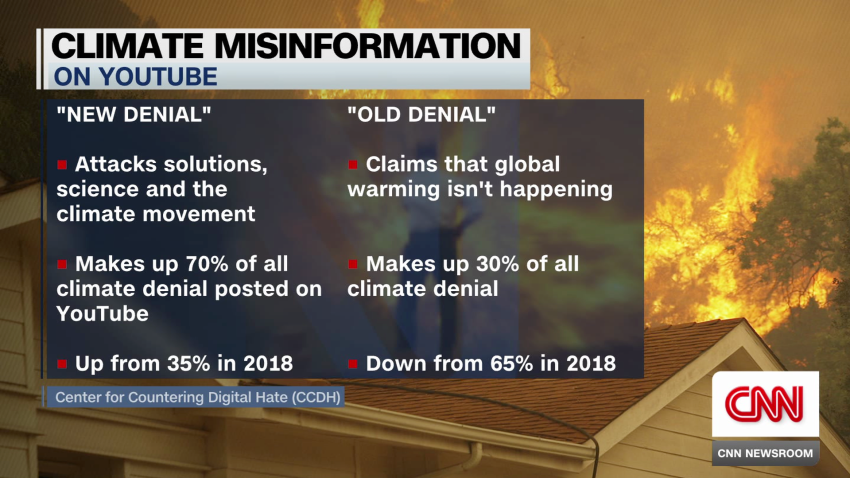
Disaster management experts emphasize the importance of “information hygiene” during crises. When rumors of mass looting circulate, they can trigger preemptive panic in other regions, leading to a cascade of instability. Authorities are encouraged to provide frequent, verified updates to maintain public order and ensure that relief efforts are directed toward actual areas of need rather than responding to perceived crises driven by social media trends.
Official updates regarding the seismic activity and the state of public order in Venezuela are expected from the National Institute of Meteorology and Seismology (INAMEH) and the Venezuelan government. International humanitarian organizations will continue to monitor the situation for any shifts in the country’s food security status.
What are your thoughts on the impact of natural disasters on economic stability? Share your views in the comments below and share this article to keep your network informed.
Worth a look