
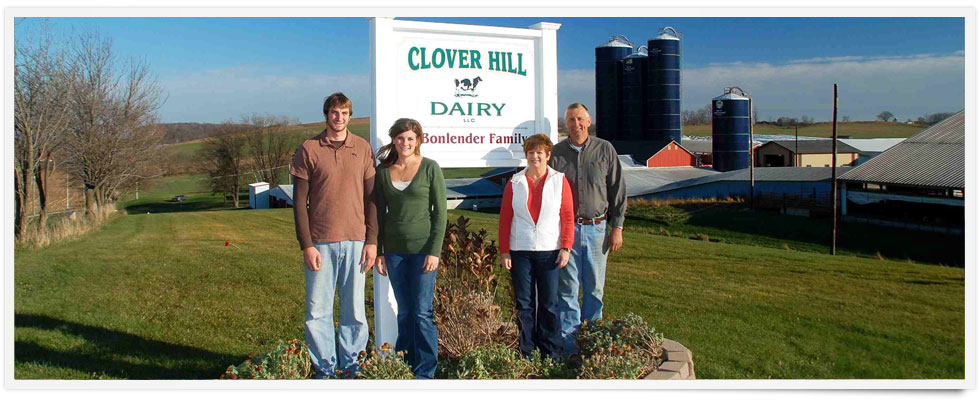
Public health officials have issued an urgent advisory regarding a Listeria monocytogenes outbreak linked to the consumption of requesón and soft ricotta cheese. According to the U.S. Food and Drug Administration (FDA), consumers are strongly advised to discard any recalled soft ricotta or requesón products manufactured by Clover Hill Dairy, as these items have been identified as a potential source of infection. The investigation into the outbreak remains ongoing, with federal and state partners working to determine the full scope of the contamination.
As a physician, I cannot stress enough the importance of taking these food safety alerts seriously. Listeria is a hardy bacterium that can survive and even grow in refrigerated environments, making it a particularly dangerous pathogen in soft, moisture-rich dairy products. Whether you are a home cook or a professional, please check your refrigerators immediately for any products associated with Clover Hill Dairy, which may be identified by the manufacturer permit or plant number “24-128” on the packaging.
Understanding the Risks of Listeriosis
Listeriosis, the infection caused by the bacteria, presents a broad spectrum of symptoms that can appear anywhere from the same day to 10 weeks after consuming contaminated food, though symptoms typically manifest within two weeks, according to the FDA outbreak investigation report. For many, the illness may present as a mild flu-like condition characterized by fever, muscle aches, nausea, vomiting, tiredness, and diarrhea.
However, the infection can escalate into a severe form of listeriosis. If you or a family member experience symptoms such as a stiff neck, confusion, loss of balance, persistent headache, or convulsions, it is critical to seek medical attention immediately. These neurological symptoms indicate a potential progression of the infection that requires prompt clinical intervention. Vulnerable populations—including pregnant individuals, older adults, and those with compromised immune systems—are at the highest risk for severe outcomes and should be particularly vigilant.
Identifying Recalled Products
The recall specifically concerns all requesón cheese manufactured by Clover Hill Dairy. Because these products may be sold under various brand names or relabeled by third-party distributors, it is essential to look for the specific manufacturer identification rather than relying solely on a brand name. The FDA notes that the manufacturer permit number “24-128” is the most reliable way to confirm if a product is part of the current recall.
The reach of these products extends beyond direct sales from the Clover Hill Dairy retail market in Maryland. The cheese has been distributed to farmers markets and through third-party retailers in states including New York and Virginia. If you have any doubt about the origin of a soft cheese product currently in your freezer or refrigerator, the safest course of action is to dispose of it immediately. Do not attempt to taste-test or cook the product to neutralize the risk; contaminated items should be handled with care to prevent cross-contamination of other surfaces or foods in your kitchen.
What Happens Next?
At this stage, the FDA investigation is in its early phases. While sampling conducted as part of the initial investigation confirmed the presence of Listeria monocytogenes in Clover Hill Dairy’s requesón, officials have stated that there is currently insufficient evidence to determine if this specific source explains the entirety of the ongoing outbreak. Further testing by federal regulators and state health authorities is underway to identify if additional products or manufacturers are involved.
Public health agencies are expected to provide updates as new testing results become available. In the interim, consumers are encouraged to monitor official government channels for the latest developments. If you believe you have become ill after consuming soft cheese products, contact your healthcare provider and consider reporting the event to your local health department. Staying informed and acting quickly when recalls are issued is the most effective way to protect yourself and your community from foodborne illness.
Have you checked your kitchen for these products? I encourage our readers to share this information with friends and family, particularly those who frequently purchase artisan or soft dairy products at local markets. Stay safe, and check back here for further updates as this investigation progresses.
Worth a look