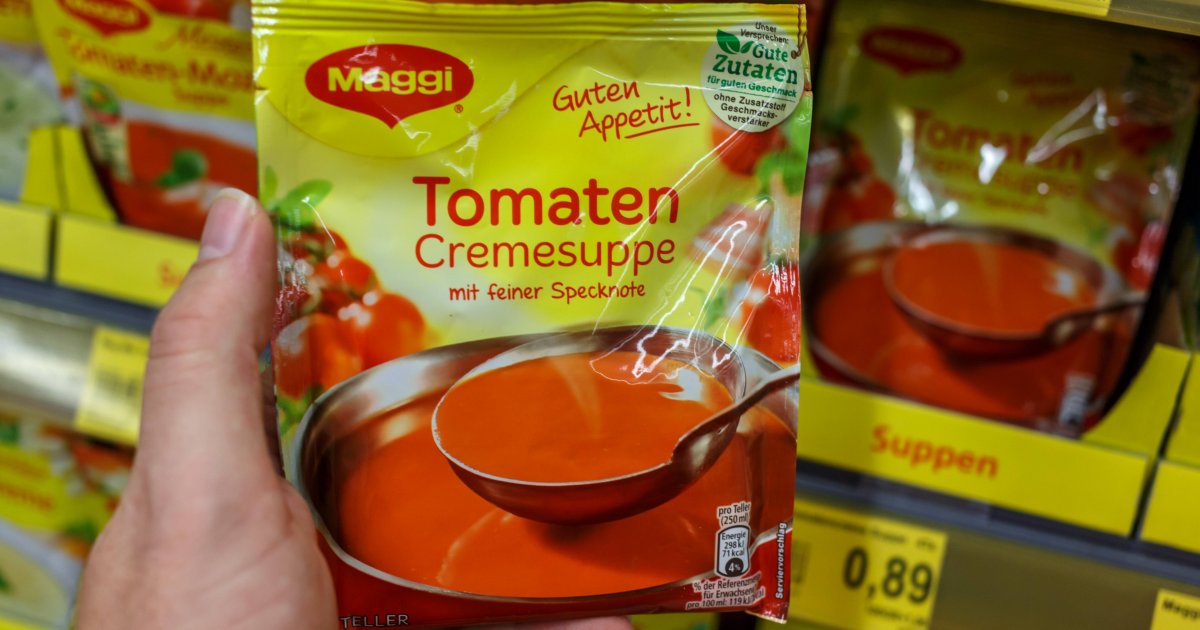
Youth Wing Protests CDU Policies with Soup Distribution at Party Convention
Stuttgart, Germany – Members of the Jusos, the youth wing of the Social Democratic Party (SPD) in Baden-Württemberg, staged a protest at the Christian Democratic Union (CDU) party convention in Stuttgart on Friday, February 21, 2026, by distributing packets of soup to attendees. The demonstration was a direct response to concerns over potential changes to dental care coverage proposed by the CDU, which the Jusos argue would make dental health inaccessible to those with lower incomes. The protest highlights a growing debate in Germany regarding social welfare and access to healthcare, particularly as economic pressures mount.
The Jusos voiced strong criticism of the CDU, alleging that the party’s policies prioritize affordability for some while potentially jeopardizing essential social services for others. “Healthy teeth should not be a luxury afforded only to those who can pay for them,” a statement released by the Jusos Baden-Württemberg read. “This fits the pattern of a party that talks about ‘lifestyle part-time work’ while simultaneously attacking our social systems.” The phrase “lifestyle part-time work” appears to be a reference to recent CDU discussions regarding flexible employment models and their potential impact on social security contributions.
The act of distributing soup was symbolic, intended to illustrate the limited dietary options available to individuals who can no longer afford dental care. “Soup is all you can eat in the conclude if you can no longer afford dentures thanks to CDU policies,” Jusos members stated while handing out the packets to delegates and guests at the Messe Stuttgart convention center. This direct action aimed to bring the issue to the forefront of the CDU’s internal discussions and to raise public awareness about the potential consequences of policy changes.
CDU Baden-Württemberg: A Regional Powerhouse
The CDU Baden-Württemberg is a significant force in German state politics. According to its official website, www.cdu-bw.de, the party currently boasts approximately 65,000 members, making it the largest state party within the Christian Democratic Union of Germany. Manuel Hagel currently serves as the chairman, having succeeded Thomas Strobl in 2023. The party’s roots trace back to several predecessor organizations, including the Badische Christlich-Soziale Volkspartei (BCSV), the Christlich-demokratische Partei (CDP) and the Christlich-Soziale Volkspartei, which merged in January 1971 to form the unified CDU Baden-Württemberg.
Historically, the CDU has dominated the political landscape of Baden-Württemberg, holding power continuously from 1953 until 2011. This long period of governance ended when Winfried Kretschmann of the Alliance ’90/Greens won the state elections, marking a significant shift in the region’s political alignment. Currently, the CDU holds 42 seats in the Landtag of Baden-Württemberg (the state parliament) and 33 seats in the Bundestag (the federal parliament), as reported by Wikipedia.
The Broader Context of German Healthcare Debate
The Jusos’ protest taps into a wider debate surrounding healthcare affordability and access in Germany. While Germany has a universal healthcare system funded through a combination of employer and employee contributions, concerns remain about rising costs and potential gaps in coverage. The system, known as statutory health insurance (Gesetzliche Krankenversicherung or GKV), covers approximately 90% of the population, with the remaining 10% opting for private health insurance.
Recent discussions within the CDU and other political parties have focused on potential reforms to the GKV system, including adjustments to contribution rates and benefit packages. These discussions are often framed around the need to ensure the long-term sustainability of the healthcare system in the face of an aging population and increasing medical costs. However, critics argue that some proposed reforms could disproportionately impact lower-income individuals and families, leading to reduced access to essential healthcare services, including dental care.
Dental care in Germany is generally covered by the GKV, but the level of coverage can vary depending on the specific treatment and the individual’s insurance plan. For example, coverage for certain cosmetic dental procedures may be limited or not covered at all. Patients are often required to pay a co-payment for dental services, which can add up over time. The Jusos’ protest specifically targets potential changes that could further reduce coverage for essential dental treatments, such as dentures and root canals.
Impact and Future Developments
The Jusos’ demonstration at the CDU convention generated significant media attention and sparked a debate on social media. The protest served as a visible reminder of the concerns held by many regarding the potential impact of CDU policies on social welfare. It remains to be seen whether the CDU will respond to these concerns and adjust its proposals accordingly.
The CDU party convention is scheduled to continue through the weekend, with further discussions expected on a range of policy issues, including healthcare. Delegates will be debating and voting on resolutions that will shape the party’s platform for the upcoming elections. The outcome of these discussions will have significant implications for the future of healthcare policy in Baden-Württemberg and potentially across Germany.
The next key date to watch is the upcoming vote on the CDU’s proposed healthcare reforms, which is expected to capture place within the next few months. The outcome of this vote will determine whether the Jusos’ concerns are addressed and whether the CDU will move forward with policies that could potentially limit access to dental care for lower-income individuals.
What are your thoughts on the Jusos’ protest and the broader debate surrounding healthcare affordability in Germany? Share your comments below and let us know what you think.
Keep reading