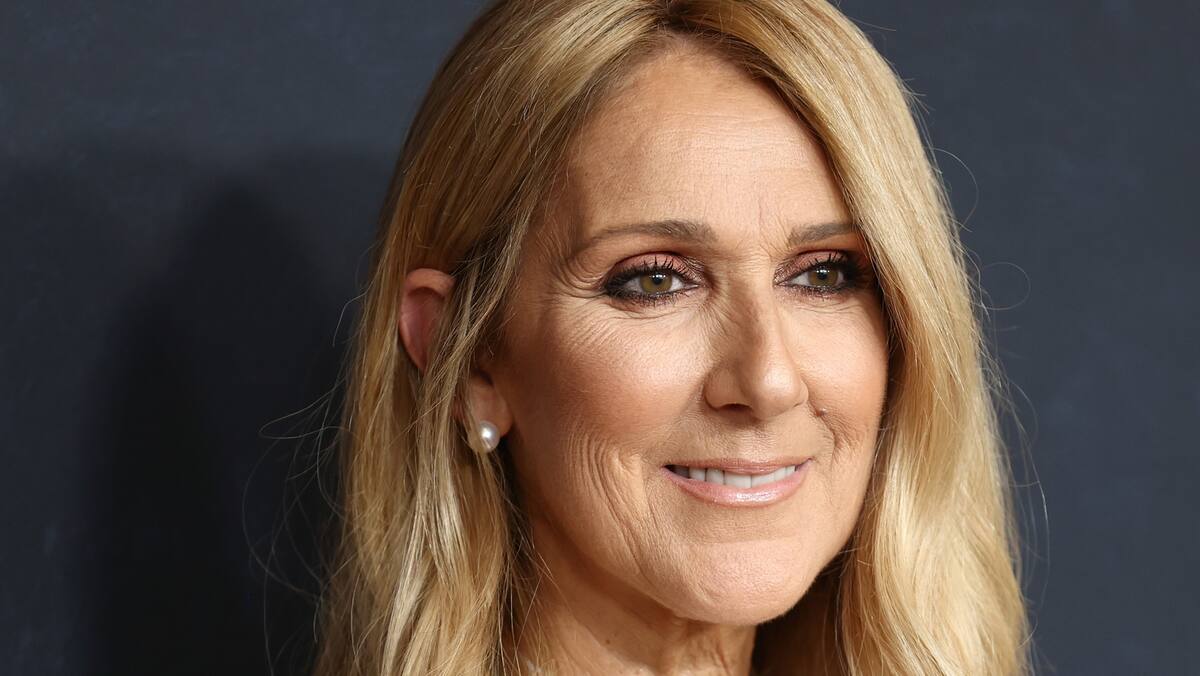
Twenty-seven years after its release, Céline Dion’s iconic ballad “My Heart Will Head On” continues to resonate with audiences worldwide. The song, inextricably linked to the blockbuster film Titanic, recently marked its anniversary with a reflective post from Dion on social media, revealing a surprising initial reluctance to record the track. This enduring anthem, a cornerstone of 1990s pop culture, wasn’t an immediate yes for the Canadian singer, and even faced resistance from the film’s director, James Cameron.
The story behind “My Heart Will Go On” is a testament to the power of collaboration and the sometimes-unforeseen paths to success. While now considered a defining song of her career, Dion initially hesitated to embrace the project. The song’s origins lie in James Horner’s work on the Titanic score, where he developed a musical motif that ultimately evolved into the full song. Horner then enlisted lyricist Will Jennings to craft the poignant lyrics that would capture the film’s themes of love, and loss. The song’s journey from a simple musical idea to a global phenomenon is a fascinating glimpse into the creative process behind one of cinema’s most memorable soundtracks.
A Reluctant Embrace: Dion’s Initial Hesitation
In a recent social media post, Dion recounted the moment composer James Horner played the song for her and her late husband and manager, René Angélil. “He came to see us, René and I. He sat at the piano and started to sing the song. I was on the sofa behind him and I was making signs to René that I didn’t wish to sing this song,” she shared. This initial resistance stemmed from a feeling that the song didn’t quite align with her artistic direction at the time. Dion, already a successful artist, was cautious about venturing into the realm of film soundtracks, particularly one as ambitious as Titanic.
Interestingly, James Cameron, the director of Titanic, initially shared Dion’s skepticism. He reportedly believed the film stood perfectly well on its own and didn’t require a pop song to enhance its emotional impact. According to Dion, Cameron felt the film was “already perfect.” However, after hearing a demo of the song, Cameron ultimately relented, recognizing its potential to amplify the film’s emotional resonance. This change of heart underscores the song’s undeniable power to move listeners, even those initially resistant to its inclusion.
René Angélil’s Vision and the Studio Recording
Despite Dion’s initial reservations, her husband and manager, René Angélil, saw the song’s potential and encouraged her to record a demo. Dion recounted that after recording the song in the studio, the emotional impact was palpable. “After I sang it in the studio, I turned around and I saw everyone crying. That’s when I knew I was trapped. I wasn’t going to acquire out of it,” she said. This powerful reaction from those present in the studio signaled that “My Heart Will Go On” was something special, a song capable of evoking deep emotion and connecting with audiences on a profound level.
Two versions of the song were ultimately produced. James Horner and Simon Franglen produced the version featured in Titanic, while Walter Afanasieff produced a separate version for Dion’s album, Let’s Talk About Love, and as a standalone single. Wikipedia details this production split, highlighting the different approaches taken to tailor the song for both the film and Dion’s album. The orchestral arrangement, particularly in the Titanic version, played a crucial role in Cameron’s eventual acceptance of the song, transforming it from a potential distraction into an integral part of the film’s emotional landscape.
Global Success and Lasting Legacy
“My Heart Will Go On” quickly became a global phenomenon, topping charts in over 25 countries and becoming the best-selling single of 1998. The song’s success was inextricably linked to the phenomenal success of Titanic, which became the highest-grossing film of all time at the time of its release. The song’s enduring popularity is a testament to its universal themes of love, loss, and remembrance. It continues to be played on radio stations and streamed online, captivating new generations of listeners.
The song’s accolades are numerous, including an Academy Award for Best Original Song, a Golden Globe Award, and a Grammy Award for Record of the Year in 1998. A live performance from 1999 at Stade de France showcases Dion’s powerful vocals and the song’s enduring emotional impact. With sales exceeding 18 million copies worldwide, “My Heart Will Go On” remains one of the best-selling singles by a female artist in history. The album Let’s Talk About Love, which included the song, has sold over 31 million copies globally, further cementing its place in music history.
The Song’s Composition and Inspiration
The composition of “My Heart Will Go On” is rooted in James Horner’s initial musical ideas for the Titanic score. He drew inspiration from the music of Jethro Tull, incorporating elements of Celtic and orchestral arrangements. The lyrics, penned by Will Jennings, beautifully capture the film’s themes of enduring love and the lasting impact of loss. The song’s structure, building from a quiet, introspective beginning to a soaring, emotional climax, mirrors the narrative arc of the film itself.
The song’s enduring appeal lies in its ability to tap into universal emotions. The lyrics speak to the power of love to transcend time and distance, and the enduring nature of memory. The combination of Dion’s powerful vocals, Horner’s evocative score, and Jennings’ poignant lyrics created a song that resonated deeply with audiences around the world. It’s a song that continues to be played at weddings, memorials, and moments of remembrance, serving as a powerful reminder of the enduring power of the human spirit.
Céline Dion’s Gratitude and Continued Connection
Reflecting on the song’s impact, Dion expressed her gratitude for being chosen to perform it and for Cameron’s eventual decision to include it in the film. “I am extremely grateful that they thought of me and that the director [James Cameron] agreed to include my song in his film. I can’t say no to ‘My Heart Will Go On’ because my heart continues to beat, more than ever,” she stated. This sentiment underscores the deep personal connection Dion has with the song, despite her initial reluctance.
The song remains a significant part of Dion’s repertoire and a highlight of her live performances. It’s a song that she continues to connect with on a profound level, and one that continues to move audiences around the world. “My Heart Will Go On” is more than just a song; it’s a cultural touchstone, a symbol of love, loss, and the enduring power of the human spirit. As Dion continues to navigate her own health challenges, the song serves as a poignant reminder of her resilience and her unwavering connection with her fans.
As Céline Dion continues to share glimpses into the story behind this iconic song, it serves as a reminder of the unexpected turns life can take and the enduring power of music to connect us all. The legacy of “My Heart Will Go On” will undoubtedly continue for generations to come.
Looking ahead, Dion is expected to continue sharing personal updates and reflections with her fans through her social media channels. Fans can stay informed about her ongoing journey and future projects by following her official accounts. We will continue to follow her story and provide updates as they become available.
What are your favorite memories associated with “My Heart Will Go On”? Share your thoughts in the comments below and be sure to share this article with your friends and family!
Worth a look