
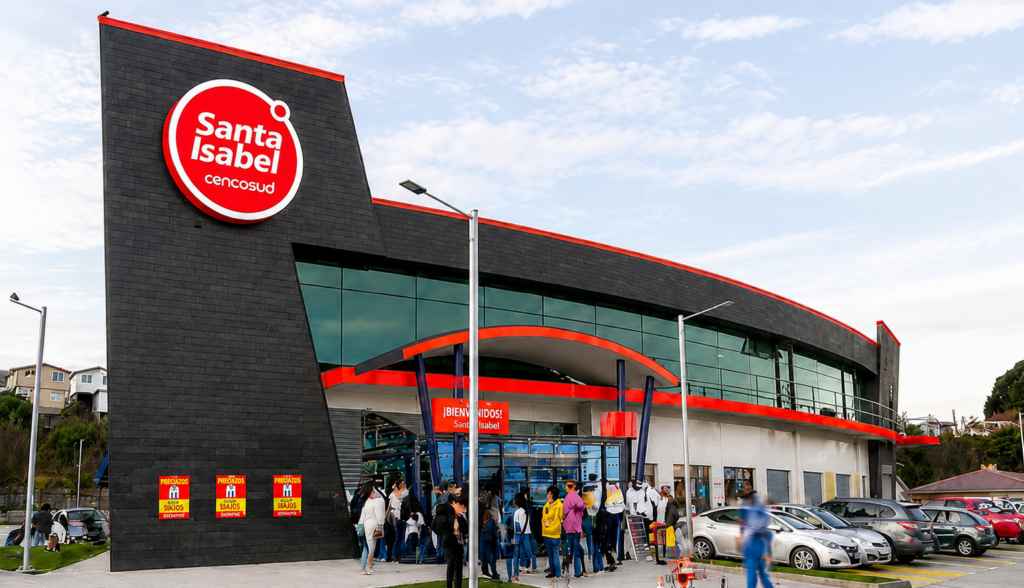
Cencosud has initiated a strategic rebranding of its retail presence in southern Chile, transitioning several locations of the historical Supermercados O’Higgins chain to its Santa Isabel brand. This move, part of a broader consolidation effort by the Chilean retail giant, aims to standardize service offerings and operational efficiency across the Chiloé Archipelago and surrounding regions, according to reports from local business monitoring outlets.
The transition marks the end of the O’Higgins brand in specific municipal markets, including Ancud, Castro, and Calbuco. Cencosud’s decision to integrate these stores into the Santa Isabel network reflects a long-term strategy to leverage its national logistics and procurement infrastructure. While the physical stores remain open to the public, the rebranding process involves updating signage, point-of-sale systems, and inventory management protocols to align with Santa Isabel’s corporate standards, as noted in regional economic summaries from BioBioChile.
Strategic Consolidation in Southern Markets
The replacement of the O’Higgins brand is not merely a cosmetic change; it represents a significant shift in the competitive retail landscape of the Los Lagos and Chiloé provinces. By converting these legacy stores, Cencosud intends to capitalize on the brand recognition of Santa Isabel, which operates as a mid-tier supermarket chain within the company’s diverse portfolio. According to official company filings and market data, Cencosud maintains a robust corporate presence across Latin America, emphasizing scale as a primary driver for profitability in secondary and tertiary markets.
Local chambers of commerce in the affected regions have expressed a cautious optimism regarding the transition. Business leaders in Ancud and Castro have highlighted that the arrival of a national chain could stabilize supply chains and provide residents with a more consistent range of consumer goods. However, the move also signals the continued decline of independent or regional supermarket brands that struggle to compete with the purchasing power and operational scale of multinational conglomerates like Cencosud.
Operational Impact and Consumer Experience
For the average consumer in Calbuco or Chiloé, the changeover primarily affects the loyalty programs and private-label product availability. Santa Isabel stores typically integrate with the Cencosud ecosystem, offering customers access to the Puntos Cencosud loyalty program and a wider array of international and national brands. As reported by Meganoticias, the transition process was communicated to local residents through signage and informational campaigns at the store level, thanking customers for their historical patronage of the O’Higgins brand before the official rebranding.
The operational shift involves:
- Standardization of store hours and customer service protocols.
- Integration into the centralized Cencosud distribution network.
- Implementation of the standardized Santa Isabel price-tagging and promotional architecture.
These updates are designed to streamline costs, which is a critical necessity given the inflationary pressures currently affecting the Chilean retail sector. According to the Central Bank of Chile, retail consumption patterns have remained sensitive to price volatility, making operational efficiency a key priority for major distributors.
Market Context and Future Outlook
The expansion of Santa Isabel into these specific southern markets serves as a case study for how large retailers consolidate market share in Chile. By acquiring or converting established regional players, Cencosud reduces the friction of market entry while simultaneously removing potential regional competitors. This trend of consolidation has been a consistent feature of the Chilean retail industry over the last decade, as documented in various economic analyses of the sector.

What remains to be seen is how the local labor force will be impacted by the integration of these stores into a larger corporate structure. While Cencosud generally maintains existing staff during such transitions, the shift in management style and performance metrics can lead to long-term changes in employment conditions. Industry observers expect the company to continue its focus on digital integration and omnichannel retail, potentially introducing click-and-collect services to these newly rebranded locations in the near future.
The next phase for these locations will involve monitoring quarterly regional sales performance to determine if the Santa Isabel model yields the expected increase in foot traffic and average basket size. Investors and stakeholders can monitor the company’s progress through the Cencosud Investor Relations portal, which provides the most accurate and timely updates on regional expansion and financial results. We invite readers to share their experiences regarding the service changes at these locations in the comments section below.