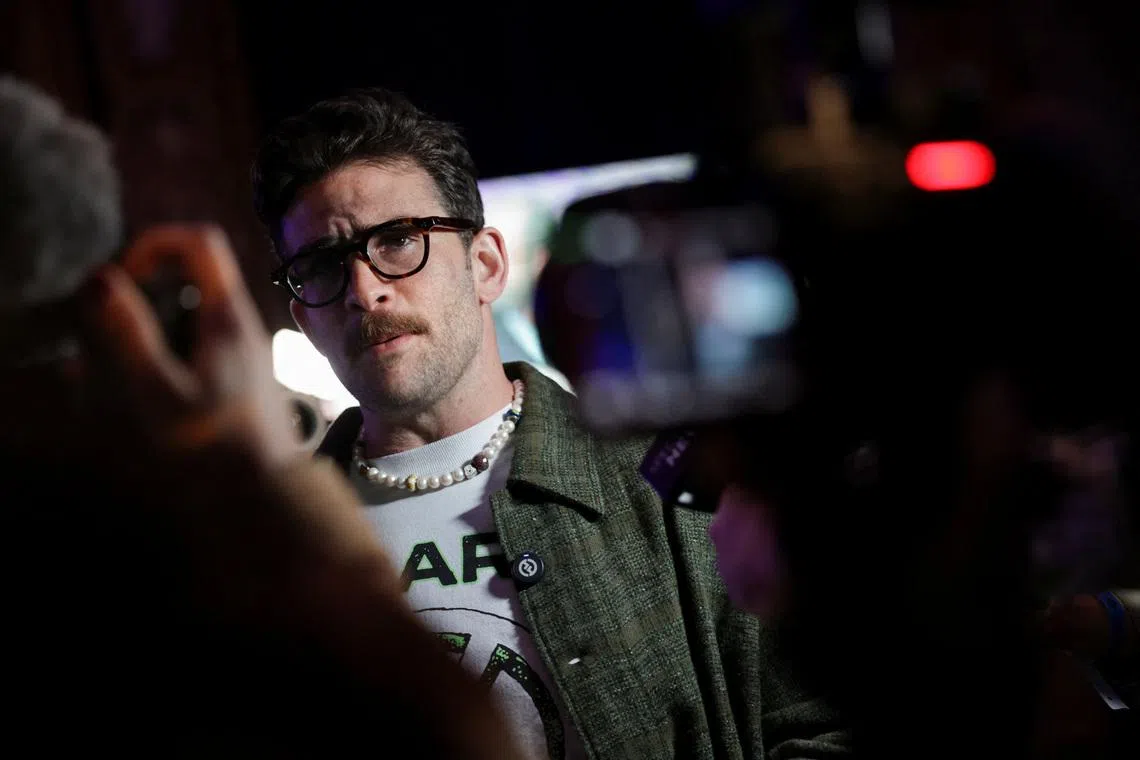
Reports have surfaced suggesting that the United Kingdom has blocked prominent American political commentators Cenk Uygur and Hasan Piker from entering the country for scheduled speaking engagements. The claims, which began circulating earlier this week, suggest that the Home Office has intervened to prevent the two media personalities from participating in upcoming events on British soil.
However, as of this reporting, there has been no official confirmation from the UK Home Office, nor has any major news organization—including Reuters, the Associated Press, or the BBC—corroborated these claims. Several details within the circulating reports appear to be factually inaccurate, including a claim regarding the familial relationship between the two men. While the reports suggest a direct familial link, Uygur and Piker are professional colleagues within the progressive media landscape rather than relatives.
The emergence of these unverified claims has reignited a broader debate regarding the UK’s ability to regulate the entry of foreign political influencers and the legal mechanisms used to manage border security in an era of globalized digital discourse. For a global audience, the situation highlights the complex intersection of immigration law, freedom of speech and the rising influence of US-based digital media personalities on international political landscapes.
Analyzing the Unverified Claims and Factual Discrepancies
The reports in question suggest that the UK government moved to block the visits of Cenk Uygur, the founder of The Young Turks, and Hasan Piker, a highly influential political streamer and commentator. According to the unconfirmed accounts, the decision was communicated on Monday, effectively canceling planned appearances that were intended to engage with UK-based audiences.

Journalistic scrutiny reveals significant inconsistencies in these reports. Most notably, the claim that Hasan Piker is the nephew of Cenk Uygur is incorrect. While both are central figures in the American progressive media ecosystem, they are not related by blood. In investigative journalism, such errors in basic biographical facts often serve as a red flag regarding the reliability of the primary source.
the lack of a formal statement from the UK government is telling. Under standard operating procedures, a high-profile entry ban involving internationally recognized media figures would typically result in a recorded decision or a statement from the Home Office, especially if such a move were seen as a matter of public interest or political sensitivity. Without a direct statement from the individuals involved or an official government filing, the claims remain in the realm of speculation.
The Legal Framework: How the UK Manages Entry for Foreign Nationals
To understand how such a ban could theoretically occur, it is necessary to examine the stringent immigration rules governed by the UK Home Office. Foreign nationals, including media personalities and commentators, must adhere to specific visa requirements depending on the nature of their visit. For individuals traveling to speak at events, the distinction between a “Standard Visitor” visa and a professional work visa is critical.
Under the UK Home Office guidelines, a Standard Visitor may engage in certain permitted activities, such as attending conferences or giving a one-off speech, provided they are not being paid by a UK source. However, if the activity is deemed to be “work” or if the individual is a professional journalist, different regulations apply. If the Home Office determines that a visitor’s presence is not “conducive to the public good,” they possess the legal authority to deny entry.

The “General Grounds for Refusal,” outlined in the UK Immigration Rules, allow authorities to deny visas based on several factors, including:
- Public Order and Security: If an individual is deemed to pose a threat to public safety or order.
- Criminality: A history of criminal convictions that may impact their suitability to enter.
- Character Concerns: Broad discretionary powers regarding the conduct of the individual.
While the “public good” clause is often discussed in the context of security threats, it remains a point of contention for civil liberties advocates who argue that it could potentially be used to restrict political expression or the movement of controversial figures.
Comparison of UK Visa Categories for Media and Influencers
| Visa Type | Primary Purpose | Permitted Activities | Key Restrictions |
|---|---|---|---|
| Standard Visitor | Tourism, short-term business meetings, or attending conferences. | Attending events, short-term meetings, or one-off speaking engagements. | Cannot undertake paid work for a UK company or stay long-term. |
| Journalist Visa | Professional reporting and media coverage. | Conducting interviews, reporting on news, and media production. | Requires specific professional credentials and proof of employment. |
| Creative Worker | Performing arts, media, and cultural activities. | Film production, broadcasting, and professional media appearances. | Requires a Certificate of Sponsorship (CoS) from a UK employer. |
The Impact of Digital Media on International Political Discourse
Whether or not the specific reports regarding Uygur and Piker are accurate, the situation underscores a shifting paradigm in how political ideas travel across borders. Traditionally, political influence in the UK was mediated through established domestic outlets like the BBC, Sky News, or major newspapers. Today, the rise of “influencer diplomacy”—where US-based commentators command millions of viewers via platforms like YouTube and Twitch—has created a new layer of political engagement that bypasses traditional gatekeepers.

For the UK government, this presents a unique challenge. Digital commentators often hold significant sway over younger demographics and can mobilize political sentiment rapidly. This has led to increased scrutiny of how foreign-based digital figures interact with domestic political issues. If a government were to restrict the movement of such figures, it would likely face intense scrutiny regarding the balance between national sovereignty and the principles of free speech and the free flow of information.
The tension between regulating “harmful” or “divisive” content and protecting political expression is a recurring theme in modern governance. As digital platforms continue to democratize media production, the legal frameworks designed for 20th-century journalists are increasingly being tested by 21st-century influencers.
What Happens Next?
At this stage, the situation remains unconfirmed. For the claims to move from speculation to verified news, several checkpoints must be met:
- Official Home Office Statement: A formal confirmation or denial regarding the visa status of Cenk Uygur and Hasan Piker.
- Direct Confirmation from the Commentators: Statements from the individuals themselves via their verified social media channels or official press representatives.
- Evidence of Event Cancellations: Official notices from the UK-based organizations or venues that were reportedly hosting the events.
As an editor at World Today Journal, we are continuing to monitor official government channels and the social media outputs of the parties involved. We will provide updates as soon as verified information becomes available.
What are your thoughts on the UK’s ability to regulate foreign political commentators? Should digital influencers be subject to different entry rules than traditional journalists? Let us know in the comments below and share this article to join the conversation.