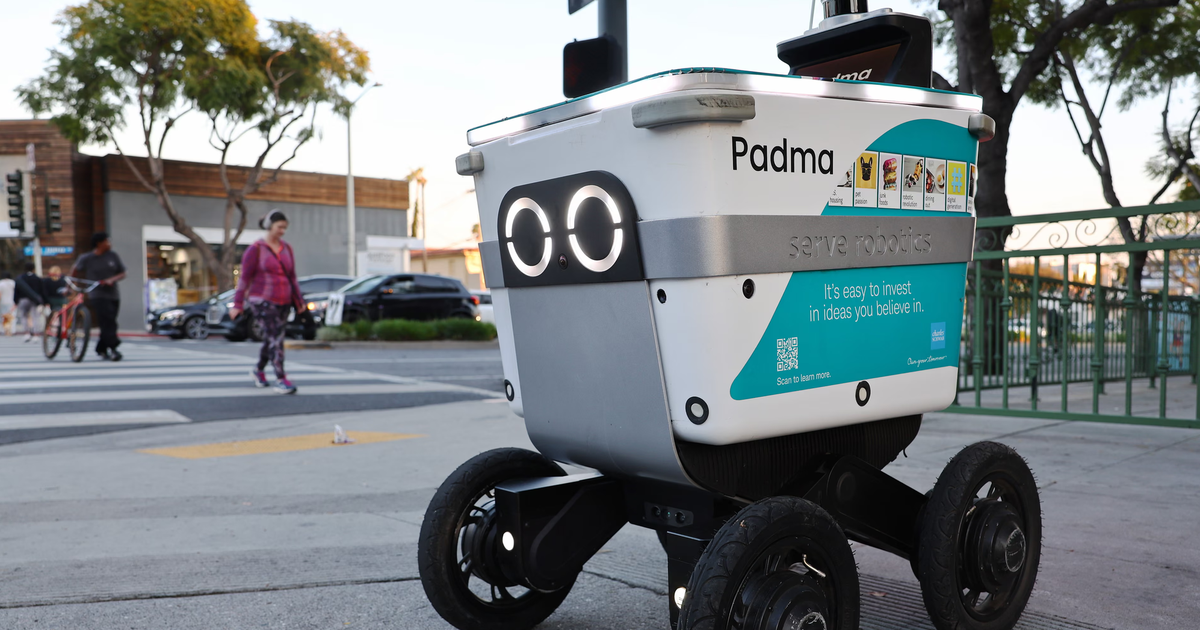
Los Angeles, once synonymous with human-driven ambition, is now navigating a new era of urban mobility—one where delivery robots have become an unexpected neighbor. The city’s sidewalks, once reserved for pedestrians and cyclists, are now shared with autonomous machines whirring through neighborhoods, delivering meals, groceries and even pharmaceuticals. But this technological leap forward has sparked a heated debate: Are these robots a boon to efficiency and sustainability, or a disruptive force reshaping public spaces and livelihoods?
The question is no longer confined to science fiction. As of June 2026, Los Angeles has become a global testing ground for delivery robotics, with two major companies—Serve Robotics and Coco Robotics—deploying hundreds of these machines across 40 neighborhoods. Their expansion reflects a broader trend in U.S. Cities, where automated delivery systems are challenging traditional logistics and urban planning. Yet, as the robots roll out, so do the concerns: pedestrian safety, job displacement, and the ethical implications of ceding more ground to artificial intelligence.
This story is not just about technology—it’s about the human experience of change. From the bustling streets of Santa Monica to the quieter alleys of West Hollywood, residents are grappling with a future where machines and humans coexist in ways neither fully anticipated. The debate is far from settled, but one thing is clear: Los Angeles is leading the charge, and the world is watching.

From Two Neighborhoods to 40: The Rapid Expansion of Delivery Robots
The deployment of delivery robots in Los Angeles has grown exponentially in recent years. As of May 2026, Serve Robotics operates approximately 500 robots across 40 neighborhoods, a stark increase from just two neighborhoods in 2023. Meanwhile, Coco Robotics, founded at UCLA in 2020, has deployed around 300 robots and is actively seeking to expand its fleet. These numbers reflect a broader trend in automated delivery, with cities like Chicago also imposing limits on their expansion due to public backlash.
The robots, designed to navigate sidewalks autonomously, are equipped with sensors, cameras, and communication modules to avoid obstacles and deliver orders efficiently. However, their presence has not been without controversy. Residents in some areas have reported incidents where robots have collided with pedestrians, damaged public infrastructure, or simply become obstacles in already crowded walkways. The city’s lack of walkability—long a criticism—has been exacerbated by the addition of these mechanical interlopers.
Despite the challenges, proponents argue that delivery robots offer significant advantages. They reduce traffic congestion by operating on sidewalks rather than roads, eliminate carbon emissions associated with traditional delivery vehicles, and can operate 24/7 without the need for rest breaks. For businesses, they represent a cost-effective solution to last-mile delivery challenges, particularly in dense urban environments.
Public Sentiment: Pity, Frustration, and the Human Cost
The reaction to delivery robots in Los Angeles is deeply divided. On one hand, there is a sense of curiosity and even affection for the robots, which some describe as “cute” with their blinking lights and digital displays. Social media posts often feature residents interacting playfully with the machines, attaching nametags or leaving small gifts for them. This whimsical side has softened some of the resistance, particularly among younger generations who are more accustomed to integrating technology into daily life.
frustration runs high. Many residents express concern over the robots’ impact on pedestrian safety. Sidewalks in Los Angeles are already narrow and often cluttered with street vendors, construction, and uneven surfaces. Adding autonomous machines to the mix has created a sense of chaos, particularly in areas where the robots are still learning to navigate complex environments. There have been reports of robots accidentally smashing bus shelters or getting stuck in planters, leading to complaints about poor maintenance and lack of oversight.
Perhaps the most contentious issue is the potential displacement of human workers. Delivery drivers, many of whom are gig workers or immigrants, face an uncertain future as robots take over more routes. While some companies argue that robots complement human labor by handling smaller or more time-sensitive deliveries, labor advocates warn that the long-term trend could lead to job losses in an already precarious industry. The debate over automation’s impact on employment is not new, but in Los Angeles, it has taken on a tangible, visible form.
“They don’t emit exhaust fumes or add to road traffic. And when they’re not accidentally smashing the glass on bus shelters, they achieve R2-D2 levels of cuteness, manipulating us with little nametags and blinking digital eyes.”
The Guardian, May 25, 2026
Regulatory Challenges: Cities Struggle to Keep Up
The rapid deployment of delivery robots has outpaced regulatory frameworks in many cities. Los Angeles, like other municipalities, is grappling with how to govern these new entities. While some neighborhoods have embraced the technology, others, such as Glendale, are considering moratoriums on their expansion until safety and operational standards can be established. Chicago has already implemented limits on where and how robots can operate, setting a precedent for other cities.
The lack of uniform regulations has led to inconsistencies in how robots are deployed and monitored. Some companies operate under permits issued by local authorities, while others rely on broader state-level approvals. This patchwork approach has created confusion among residents and businesses alike, with some areas experiencing heavy robot traffic while others remain untouched. Advocacy groups are pushing for federal guidelines to standardize safety protocols, insurance requirements, and liability rules for delivery robots.
One of the biggest challenges is determining liability in the event of an accident. If a robot collides with a pedestrian or damages property, who is responsible—the manufacturer, the deploying company, or the city? Legal experts warn that without clear frameworks, disputes could drag on for years, deterring further innovation. Meanwhile, insurance companies are still assessing the risks, leading to higher premiums for businesses investing in robotics.
Beyond Los Angeles: A Global Trend with Local Implications
Los Angeles is not alone in its experiment with delivery robots. Cities across the United States and beyond are testing similar technologies, each with its own set of challenges. In Europe, companies like Starship Technologies have deployed robots in cities such as London and Helsinki, while Asia has seen rapid adoption in countries like Japan and South Korea, where labor shortages and high urban density make automation appealing. However, each region faces unique obstacles, from cultural attitudes toward technology to existing infrastructure limitations.
What sets Los Angeles apart is its scale and the visibility of the robots in public spaces. Unlike automated vehicles that operate on roads, delivery robots are a constant presence on sidewalks, making their impact more immediate and tangible. This visibility has intensified the public debate, forcing residents to confront questions about the role of technology in their daily lives. Are these robots a step toward a more efficient future, or are they a symptom of a society that prioritizes convenience over human connection?
For now, the answer remains unclear. But one thing is certain: Los Angeles is at the forefront of a technological revolution that will shape the future of urban living. The city’s response—whether through regulation, innovation, or public resistance—will serve as a model for how other municipalities navigate the challenges and opportunities of automated delivery.
What’s Next for Delivery Robots in Los Angeles?
The future of delivery robots in Los Angeles hinges on several key developments. First, the city must establish clearer regulations to ensure safety and accountability. This could involve creating dedicated lanes for robots, implementing speed limits, or requiring real-time tracking systems to monitor their movements. Second, public sentiment will play a crucial role. If residents continue to express frustration over safety and job displacement, pressure on city officials to slow or halt expansion could grow.

On the business side, companies like Serve Robotics and Coco Robotics will need to demonstrate that their robots can operate reliably and responsibly. This may involve investing in better sensors, improving navigation algorithms, or offering more transparency about their operations. Meanwhile, labor unions and advocacy groups will likely continue to push for policies that protect gig workers from automation-related job losses.
For now, the next major checkpoint will be the Los Angeles City Council’s upcoming hearing on automated delivery systems, scheduled for late July 2026. The council is expected to discuss potential new ordinances aimed at regulating robot deployment, including zoning restrictions and liability clauses. Residents and stakeholders are encouraged to submit public comments ahead of the hearing.
As the debate unfolds, one question looms large: Can Los Angeles strike a balance between innovation and equity? The answer will not only shape the future of the city’s sidewalks but also set a precedent for how the rest of the world embraces—and regulates—automated delivery.
Key Takeaways
- Rapid Expansion: Los Angeles now has over 800 delivery robots from Serve Robotics and Coco Robotics operating in 40 neighborhoods, up from just a few in 2023.
- Mixed Public Reaction: Residents express both affection for the robots’ “cuteness” and frustration over safety concerns and job displacement.
- Regulatory Gaps: Cities lack uniform rules for robot deployment, leading to inconsistencies in safety and liability.
- Global Trend: Los Angeles is part of a broader movement, with similar technologies being tested in cities worldwide.
- Next Steps: The Los Angeles City Council will hold a hearing in late July 2026 to discuss potential regulations on delivery robots.
What do you think about the rise of delivery robots in your city? Share your experiences and opinions in the comments below, and don’t forget to share this story with others who are navigating the future of urban mobility.
Worth a look