
Central Asian nations are shifting toward a new regional framework for water and land management as persistent environmental degradation threatens the stability of the Aral Sea basin. According to the United Nations Economic Commission for Europe (UNECE), the region faces acute water scarcity exacerbated by rising temperatures and inefficient agricultural irrigation practices, prompting a renewed diplomatic push to harmonize resource governance across Kazakhstan, Kyrgyzstan, Tajikistan, Turkmenistan, and Uzbekistan.
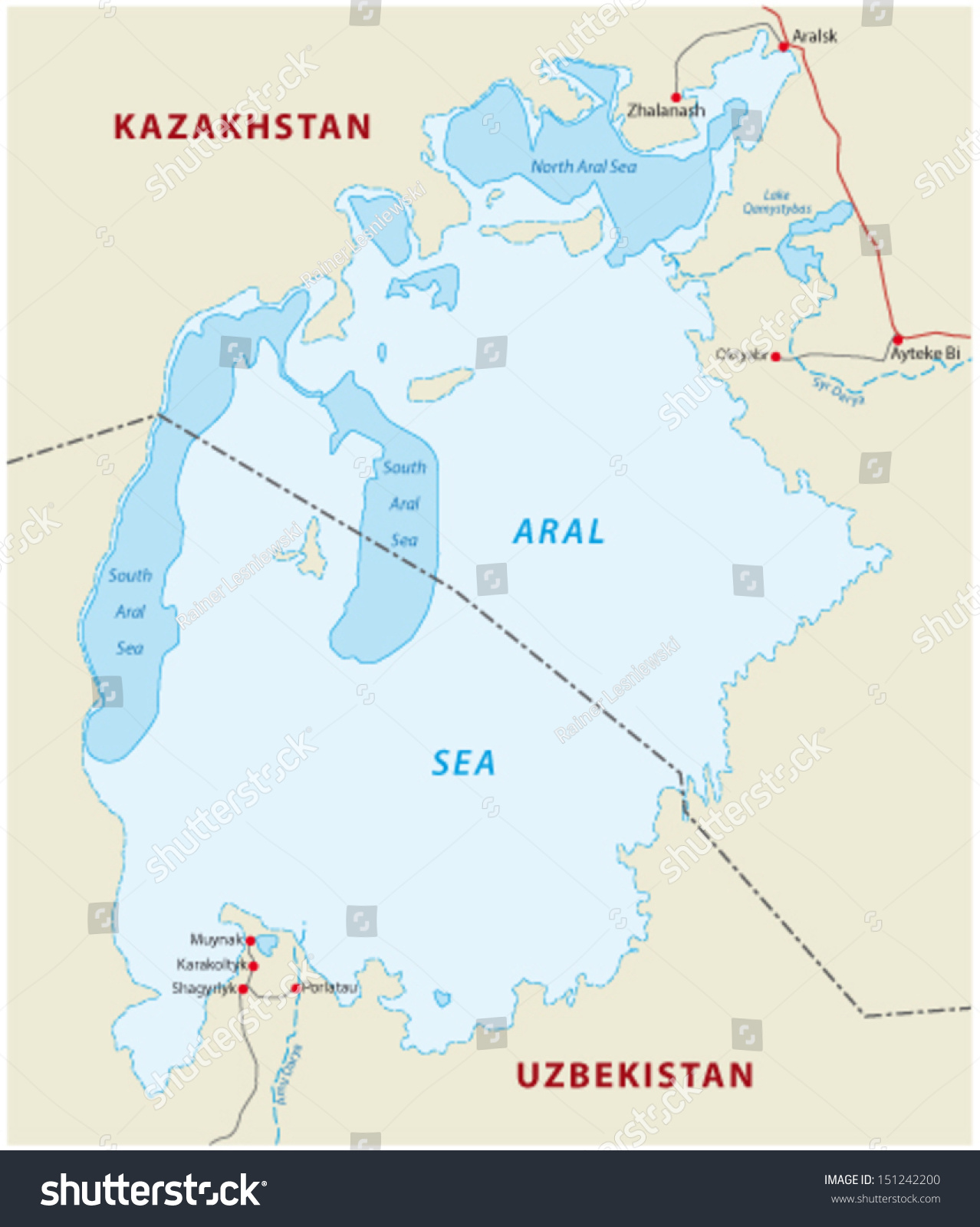
The urgency of this regional cooperation stems from decades of ecological decline that has transformed the landscape of Central Asia. The World Bank reports that the drying of the Aral Sea—once the world’s fourth-largest lake—remains one of the most significant man-made environmental disasters in history, resulting in toxic dust storms and the collapse of local fishing industries. As climate change accelerates glacier melt in the Pamir and Tian Shan mountains, upstream and downstream countries are increasingly forced to reconcile competing needs for hydropower generation and large-scale agricultural irrigation.
Drivers of the Regional Water Crisis
The primary driver of the current crisis is the unsustainable demand for water in the agricultural sector, which accounts for approximately 90% of total water withdrawals in the region, according to the Food and Agriculture Organization of the United Nations. Cotton and wheat production, legacies of Soviet-era planning, continue to dominate land use, requiring massive diversions from the Amu Darya and Syr Darya rivers. These rivers, which feed the Aral basin, are experiencing significantly reduced annual flows due to both climate variability and outdated infrastructure.
Beyond irrigation, the region is grappling with rising temperatures. The Intergovernmental Panel on Climate Change (IPCC) identifies Central Asia as a “hotspot” for climate change, noting that average temperatures in the region have risen faster than the global average. This warming trend directly affects the cryosphere; the rapid retreat of mountain glaciers—the “water towers” of the region—threatens the long-term reliability of seasonal water supplies. Without a unified pact to manage these dwindling resources, regional analysts suggest that competition for water could exacerbate cross-border tensions.
Diplomatic Efforts and Institutional Frameworks
Efforts to stabilize the region’s water future are increasingly channeled through the International Fund for Saving the Aral Sea (IFAS), the primary intergovernmental body tasked with coordinating environmental and socioeconomic development in the Aral Sea basin. Recent high-level meetings have focused on modernizing the organization’s legal framework to better address contemporary climate risks. While IFAS has faced criticism for its limited enforcement power, it remains the only platform where all five Central Asian states regularly convene to discuss shared water governance.
The shift in policy is marked by a transition from purely national interests to a more integrated “nexus approach”—a concept promoted by international development partners that considers the interconnectedness of water, energy, and food security. The Organization for Security and Co-operation in Europe (OSCE) has actively supported these initiatives, emphasizing that transparent data sharing and joint infrastructure management are essential for preventing regional conflict. By aligning national land-use policies with regional water availability, stakeholders hope to mitigate the impacts of soil degradation and desertification.
Challenges to Implementation
Despite the political momentum, significant barriers to a comprehensive water-land pact remain. Historical distrust and the legacy of the Soviet-era “water-for-energy” exchange—where upstream countries released water for electricity in winter and downstream countries received water for summer irrigation—have proven difficult to dismantle. According to the United Nations Development Programme (UNDP), the lack of modernized, water-efficient technology and the high cost of upgrading aging irrigation systems represent major structural constraints.
Furthermore, population growth across the region is placing additional pressure on already strained natural resources. As the demand for food and electricity rises, the need for a legally binding, transparent mechanism for water allocation becomes more critical. Current discussions among regional ministers are reportedly centering on the digitalization of water monitoring and the implementation of climate-resilient agricultural techniques to reduce the overall water footprint of the region’s economy.
What Happens Next
The next major checkpoint for regional cooperation is the upcoming series of ministerial consultations scheduled for later this year under the auspices of the Regional Environmental Centre for Central Asia (CAREC). These sessions are expected to yield a roadmap for updating the regional water cooperation strategy, with a focus on integrating climate adaptation measures into national development plans. Observers will be watching for clear commitments to data transparency and the formalization of joint infrastructure maintenance protocols.
The success of these negotiations will likely determine the region’s ability to withstand future environmental shocks. As policymakers continue to deliberate, the focus remains on transforming the current, often fragmented, management style into a cohesive regional pact that prioritizes long-term ecological sustainability over short-term resource extraction. For further updates on these developments, readers can monitor the official portals of the UNECE and the IFAS executive committee.
Have you observed shifts in agricultural or water policy in your region? We invite you to share your insights in the comments section below.
Worth a look