
The global gold market is witnessing a stark and sudden divergence in strategy among the world’s most powerful financial institutions. For years, the narrative was one of relentless accumulation, with central banks racing to bolster their reserves as a hedge against instability. However, as of April 15, 2026, a significant shift has emerged: some central banks are now selling gold to meet urgent financial demands, even as others continue to hoard the precious metal.
This pivot marks a critical turning point in global economic policy. While gold has traditionally served as the ultimate safe haven, the immediate pressure of geopolitical conflict and escalating operational costs is forcing some nations to liquidate their holdings. This trend of central banks selling gold is not a universal retreat but rather a symptom of diverging national priorities and varying levels of financial resilience in an increasingly volatile world.
The current volatility is underscored by a complex tug-of-war between strategic diversification and immediate liquidity needs. While the broader trend for several years was characterized by “frenzied buying,” the current environment is defined by a split market where the motives for holding or shedding gold are dictated by the specific pressures of national security and fiscal solvency.
Financial Pressures and the Pivot to Gold Sales
The decision to move from buying to selling is rarely a reflection of a lack of confidence in gold itself, but rather a response to acute fiscal crises. According to reports from Al Arabiya, some central banks have begun selling portions of their reserves due to mounting financial pressures. These pressures are primarily driven by the costs associated with the war with Iran, alongside a sharp rise in the costs of energy and national defense.
For these institutions, the immediate necessity of funding military operations and securing energy supplies has overridden the long-term goal of reserve accumulation. When the cost of defense and energy spikes, the liquidity provided by selling gold at record-high prices becomes an attractive, if necessary, option to stabilize national budgets and maintain essential government functions.
China’s Contrarian Strategy: Continued Accumulation
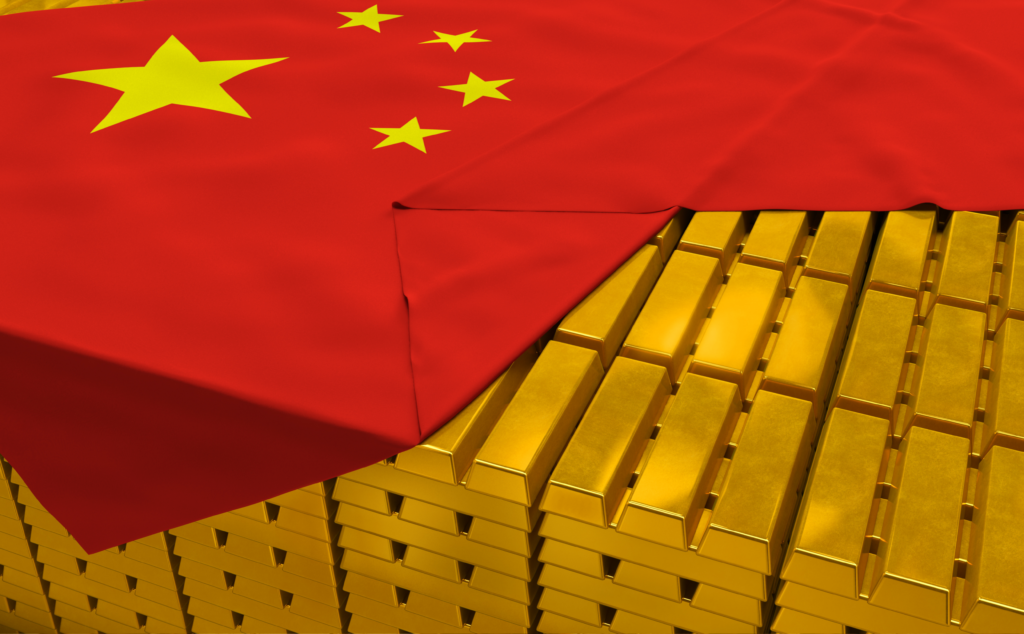
While some nations are forced to liquidate, the People’s Bank of China (PBOC) continues to aggressively expand its gold holdings, positioning itself as a leader in the global race for reserves. Data indicates that the PBOC increased its gold holdings for the 17th consecutive month in March 2026, with purchases amounting to approximately 160,000 ounces during that month alone, as reported by Asharq Business.
China’s commitment to gold is part of a broader strategic effort to enhance its strategic reserves. This trend is not novel; for instance, in September 2025, China added approximately 15 tonnes to its reserves, coinciding with the discovery of new deposits and a rise in domestic production of 1.4%, according to Al Araby.
The Chinese approach reflects a long-term vision of economic security. By consistently increasing its gold reserves, Beijing is not only hedging against market volatility but is also actively seeking to reduce its reliance on the US dollar-dominated financial system. This shift toward local currencies and gold represents a fundamental challenge to the traditional hegemony of the dollar in international trade and reserves.
The Macroeconomic Driver: Diversification and De-dollarization
The overarching motivation for the continued buying trend seen in many emerging economies is the desire to diversify reserves as a hedge against geopolitical and financial risks. The global financial system is currently undergoing a transformation, characterized by an increase in the use of local currencies and a gradual decline in the dominance of the US dollar.
This systemic shift was evident as early as late 2025. In September of that year, global central bank purchases of gold reached 64 tonnes, driving prices to record levels as institutions sought to protect themselves from the “politicization” of the dollar and other external financial shocks, as noted by Al Araby.
For many central banks, gold remains the only asset that is not someone else’s liability. In a world where financial sanctions can be used as a tool of foreign policy, holding physical gold provides a level of autonomy and security that digital reserves in foreign currencies cannot offer.
Comparison of Central Bank Gold Motivations (2025–2026)
| Action | Primary Drivers | Key Examples/Context |
|---|---|---|
| Accumulation (Buying) | Diversification, De-dollarization, Geopolitical Hedging | China (PBOC) increasing holdings through March 2026 |
| Liquidation (Selling) | Fiscal Pressure, War Funding, Energy/Defense Costs | Banks responding to conflict with Iran and energy spikes |
What This Means for the Global Market
The simultaneous buying and selling by different central banks creates a complex price floor and ceiling for gold. While the selling pressure from fiscally strained nations could potentially dampen price surges, the consistent, high-volume buying from superpowers like China provides a strong support level. This suggests that gold will remain a highly sought-after asset, but its role is shifting from a general “safe haven” to a strategic tool used differently depending on a nation’s immediate financial health.
For global investors and policymakers, the key takeaway is the increasing fragmentation of the global financial order. The divide between those who can afford to build strategic reserves and those who must sell them to survive current geopolitical crises highlights a growing disparity in economic resilience.
As the conflict involving Iran continues to influence energy costs and defense spending, the trend of central banks selling gold may expand if more nations find their budgets stretched to the breaking point. Conversely, as long as the drive for de-dollarization persists, the appetite for gold among the world’s largest economies will likely remain robust.
The next critical checkpoint for the market will be the release of the next quarterly reserve reports, which will reveal whether the selling trend has broadened or if it remains limited to nations directly impacted by the current regional conflicts.
Do you believe the shift toward gold is a permanent move away from the US dollar, or a temporary reaction to geopolitical instability? Share your thoughts in the comments below.
Keep reading