
For decades, the battle against obesity has been framed as a struggle of willpower. From restrictive calorie counting to rigorous exercise regimens, the prevailing narrative suggested that weight loss was simply a matter of discipline. However, medical evidence increasingly shows that for many, the body actively fights against weight loss, making classical diets a temporary fix rather than a permanent solution.
The emergence of GLP-1 receptor agonists has been hailed as a gamechanger for obesity therapy, offering a pharmacological way to address the biological drivers of hunger and satiety. Yet, as we integrate these innovations into public health, that while these medications address specific physiological pathways, they are not a systemic solution to the complex crisis of adiposity.
Understanding why traditional weight loss efforts often fail requires a look at the body’s internal regulatory systems. Weight development is heavily dependent on metabolism, and the human body is programmed to defend a specific weight range—a biological safeguard that can make long-term weight maintenance an uphill battle.
As a physician and health journalist, I have seen how the frustration of the “yo-yo effect” often leads patients to believe they have failed. In reality, they are often fighting a sophisticated biological system designed for survival, not aesthetics.
The Biological Barrier: Why Classical Diets Often Fail
The primary reason many people experience weight regain after a diet is not a lack of discipline, but a series of metabolic and hormonal adaptations. When the body registers a sustained calorie deficit, it triggers a biological response known as metabolic adaptation. So the body reduces its resting energy expenditure to conserve fuel.
Research indicates that the energy expenditure at rest following a diet phase can be 15 to 25 percent lower than the mathematically expected value, even when the novel, lower body weight does not fully account for the drop. Essentially, the organism “learns” to function with less energy.
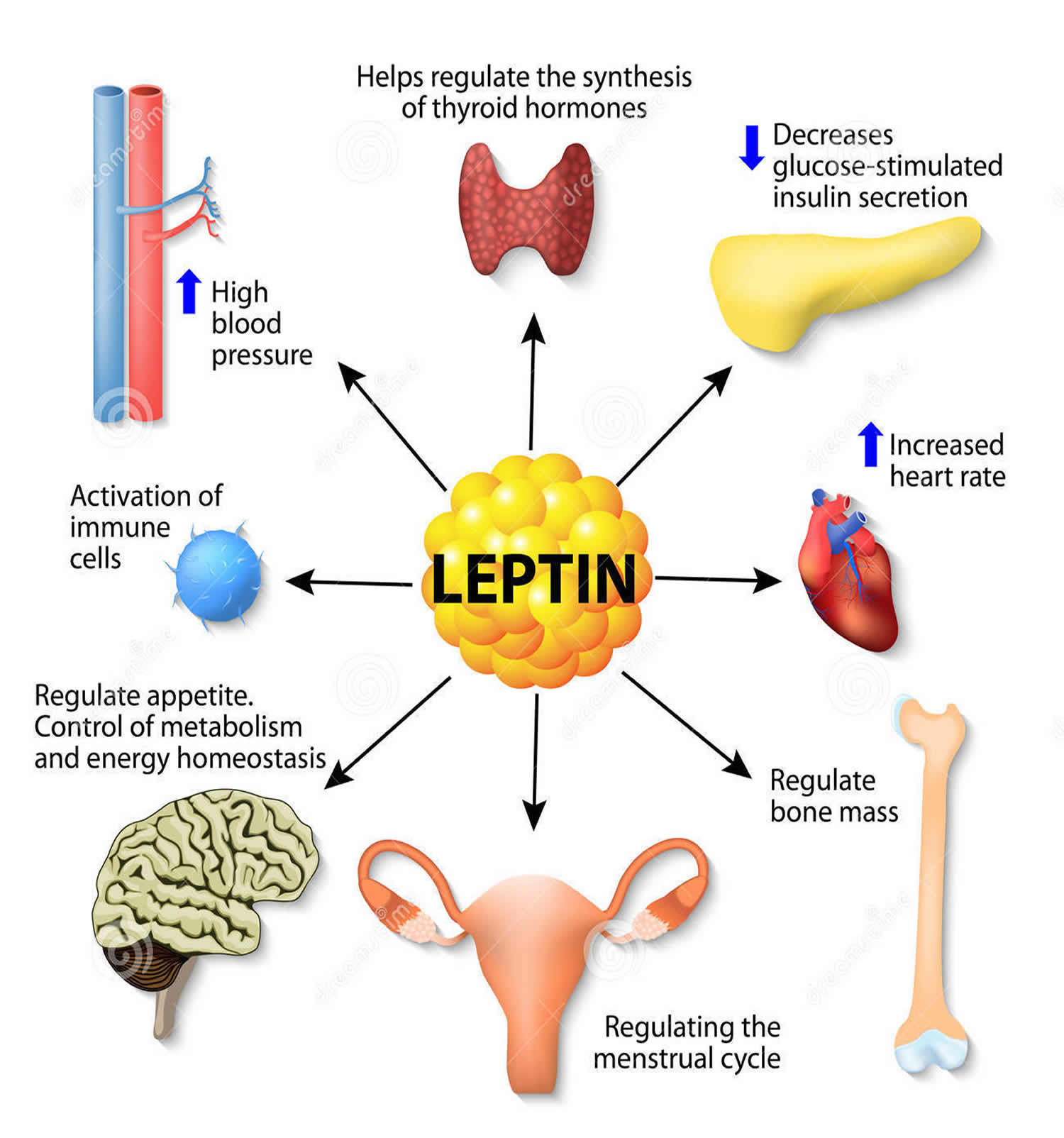
Parallel to this metabolic slowdown is a dramatic shift in hormone levels. Leptin, the hormone produced by fat tissue that signals satiety to the brain, drops disproportionately during weight loss. For instance, an individual who loses 10 percent of their body weight may experience a 30 to 50 percent decrease in leptin production. The brain interprets this drop as a state of famine, triggering intense hunger and reducing the calories burned during physical activity and unconscious movement (Non-Exercise Activity Thermogenesis).
The Role of the “Set-Point” Theory
This phenomenon is further explained by the Set-Point Theory, which suggests that the hypothalamus in the brain acts like a thermostat, defending an individual’s established “set-point” weight. When weight drops below this level, the body activates counter-regulatory mechanisms to bring the weight back up to the perceived norm, leading to the cyclical pattern of loss and regain known as the yo-yo effect.
Metabolic Diversity: Fat vs. Carbohydrate Burning
Not all metabolisms react to weight loss attempts in the same way. Individual differences in how the body sources energy play a significant role in how hunger and satiety are experienced. According to medical observations from the Alpstein Clinic, there is a distinct difference between those who efficiently burn fat and those who rely primarily on carbohydrates.
A metabolically active person with a high fat-burning rate can efficiently utilize both dietary fats and stored body fat for energy. This metabolic flexibility typically results in:
- A reduced feeling of hunger.
- Faster and more long-lasting satiety.
- More stable physical and mental performance.
Conversely, individuals whose metabolism is more heavily reliant on carbohydrates tend to burn through these energy sources quickly. This leads to more frequent hunger signals. Excess energy in these individuals is preferentially stored as fat in the liver, and their overall endurance capacity is often more limited because the metabolism operates more “economically” or sparingly.
The Psychological Toll of Restrictive Weight Loss
Beyond the biological and metabolic hurdles, the psychological impact of traditional dieting creates its own set of obstacles. The imposition of strict rules and prohibitions often creates significant mental pressure. When a diet is defined by deprivation, the mental focus on food actually increases.
This psychological fixation can lead to a sense of loss and restriction, which often culminates in a loss of control and bouts of binge eating or “Heißhungerattacken.” The cycle of restriction followed by perceived failure reinforces the belief that the individual lacks willpower, when in fact, the psychological stress of the diet is triggering the relapse.
GLP-1 and the Path Forward
The introduction of GLP-1 receptor agonists represents a shift toward treating obesity as a chronic metabolic disease rather than a behavioral failing. By mimicking hormones that regulate appetite and insulin secretion, these therapies can help bypass some of the hormonal signals—like the drop in leptin—that typically sabotage weight loss.

However, it is important to recognize that medication is a tool, not a systemic cure. While GLP-1 therapies can manage the biological drive to eat, they do not automatically resolve the underlying metabolic imbalances or the psychological relationship with food. Long-term weight stabilization is not a destination reached at the end of a treatment, but a continuous process of management.
Key Takeaways on Weight Management
- Metabolic Adaptation: The body reduces its resting energy expenditure by 15-25% during calorie deficits to prevent weight loss.
- Hormonal Shifts: Leptin levels can drop by 30-50% after a 10% weight loss, triggering intense hunger.
- Metabolic Types: Those who burn fat efficiently experience more stable satiety than those reliant on carbohydrates.
- Psychological Impact: Strict dietary prohibitions often increase food fixation and lead to binge eating.
- Set-Point Theory: The brain defends a specific weight, making the “yo-yo effect” a biological response rather than a failure of will.
For those seeking sustainable health outcomes, the focus must shift from short-term weight loss to long-term metabolic health. This involves understanding one’s own metabolic tendencies and addressing the biological drivers of hunger rather than fighting them with sheer willpower.
As medical research continues to evolve, the goal remains the integration of pharmacological support with sustainable lifestyle adjustments to overcome the body’s natural resistance to weight loss.
We invite our readers to share their experiences with metabolic health and weight management in the comments below. For the latest updates on medical innovations in obesity therapy, stay tuned to the World Today Journal Health section.