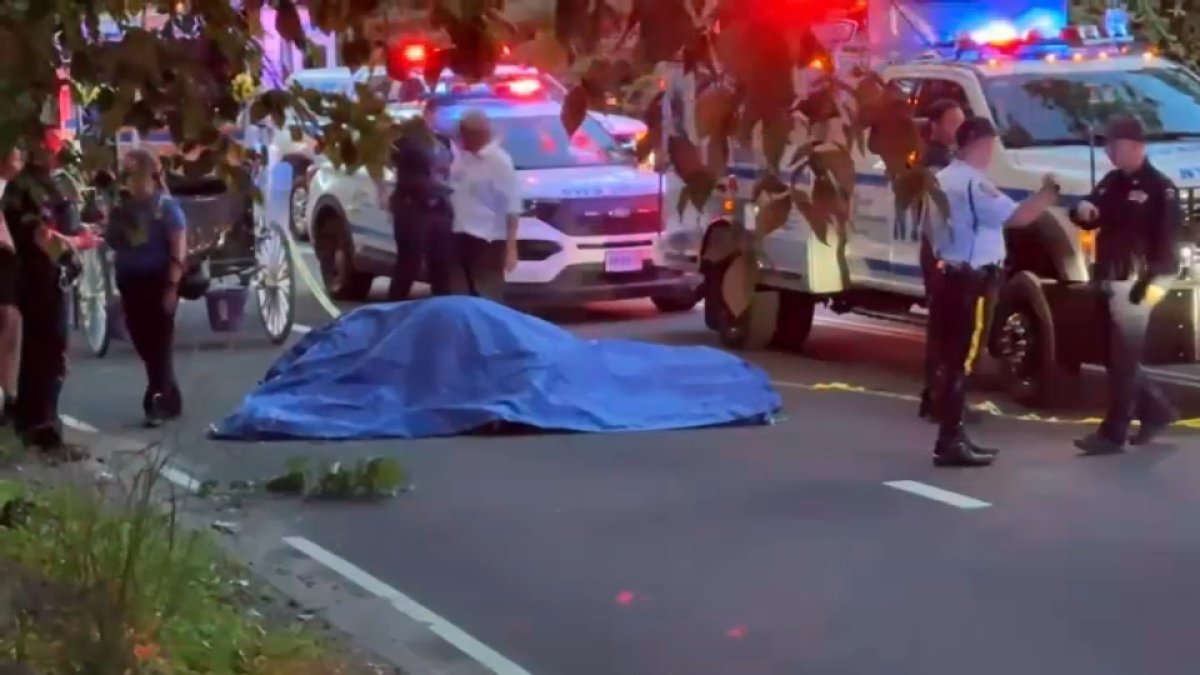
A 16-year-old carriage horse named Deniz died on June 10 after ingesting a lethal amount of Japanese yew in Central Park, according to a necropsy report released by the Transport Workers Union (TWU) of America. The incident, which occurred near West End Drive, has reignited a long-standing public debate regarding the safety and future of horse-drawn carriages in New York City.
The report, which the union states was conducted by Cornell University’s College of Veterinary Medicine, attributes the horse’s death to the toxic plant material. This finding has prompted a sharp exchange of blame between the union representing carriage drivers and the Central Park Conservancy, the private nonprofit that manages the park’s grounds.
Conflicting Accounts of Responsibility
The union has publicly rejected allegations that the horse’s death was the result of negligence or abuse. Alexander Kemp, the administrative vice president of the TWU, stated that the death was a tragic accident caused by the presence of toxic vegetation in the park. According to Kemp, the Central Park Conservancy failed to provide adequate warning regarding the presence of Japanese yew, a plant known to be highly toxic to horses and other livestock.
The Central Park Conservancy disputed this characterization, emphasizing the existing regulatory framework governing park use. In an official statement, the conservancy noted that NYC Parks rules prohibit horses from consuming vegetation within the park’s 843-acre footprint. The organization further asserted that carriage operators are required to maintain constant supervision of their animals to ensure their health and safety, suggesting that closer attention from the driver could have prevented the horse from accessing the plant.
The carriage driver, who was present at the time of the incident, described the event as sudden and unexpected. In statements provided to local media, the driver maintained that the animal had been healthy and active throughout the day prior to the collapse. The driver expressed distress over the incident, noting that the horse was treated as a member of his family and rejecting public accusations of mistreatment.
The Future of Carriage Rides in New York City
The death of the horse has provided new momentum for animal welfare organizations advocating for the elimination of horse-drawn carriage operations in Manhattan. NYCLASS, an organization that has long campaigned for a ban on the practice, confirmed it is working with members of the New York City Council to reintroduce legislation that would prohibit horse-drawn carriages in Central Park. Proponents of the ban suggest that the current administration may be more receptive to the proposal than its predecessors.

The debate over the industry involves several competing interests, including economic concerns for the workers, animal welfare standards, and the historical presence of carriages as a tourist attraction in New York. While the union maintains that the industry can operate safely with proper management, critics argue that the urban environment of Central Park is fundamentally unsuitable for carriage horses.
Regulatory Context and Next Steps
Under current New York City Department of Parks & Recreation regulations, carriage horse operators are subject to strict oversight regarding the care and handling of their animals. These rules, which are detailed on the official NYC Parks website, include requirements for rest periods, temperature restrictions, and access to water. The incident has raised questions about whether these existing guidelines are sufficient to protect horses from environmental hazards like toxic plants.
As the city evaluates the incident, no formal hearings have been scheduled regarding the proposed legislative ban. The investigation into the circumstances surrounding the horse’s death remains a point of contention between the labor union and the park management. Residents and observers interested in the legislative process can monitor the New York City Council’s official portal for updates on potential bills concerning the future of carriage horses in the city.
This remains a developing situation. If you have further information or would like to share your perspective on this issue, please contribute to the conversation in the comments section below.
Worth a look
- The Beatles’ Revolver at 60: Why This Masterpiece Remains a Turning Point in Rock History
- Theological Prize 2024 Awarded to Theologian Martha Zechmeister in Salzburg
- Thailand Debates Return of Death Penalty and Justice Reform (newsdirectory3.com)
- Susan Magara Murder: Two Sentenced to Death, Seven Get Life (archyworldys.com)