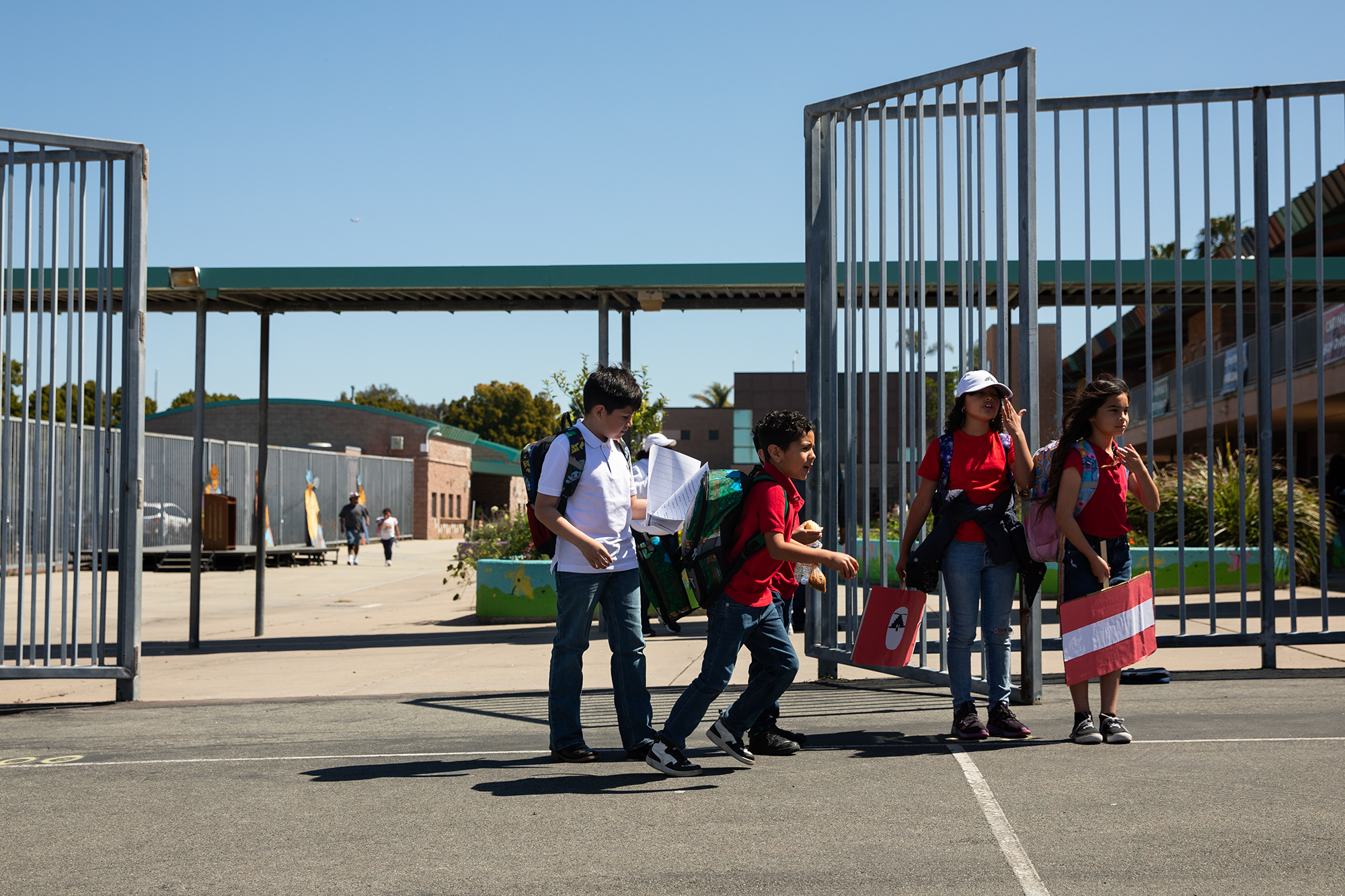
The legacy of César Chávez, a pivotal figure in the American labor movement and a champion of civil rights, is undergoing a critical reevaluation. Recent allegations of sexual misconduct, coupled with a growing national reckoning with historical figures’ complex and often troubling pasts, are prompting school districts across California to reconsider how Chávez is presented in history and social studies curricula. This shift comes as educators grapple with balancing the acknowledgement of Chávez’s significant contributions to farmworker rights with the need to address serious accusations that challenge his public image.
The reassessment gained momentum this week after reports surfaced detailing allegations of sexual harassment and abuse against Chávez, as reported by The New York Times on March 18, 2026. The report details accounts from multiple women alleging a pattern of misconduct during his leadership of the United Farm Workers (UFW). In response, the California Department of Education has urged teachers to minimize Chávez’s role when teaching about the farmworker movement, acknowledging the need to address the allegations while continuing to recognize the broader struggle for workers’ rights. This situation highlights a broader trend of re-examining the narratives surrounding historical figures in light of contemporary understandings of power dynamics and abuse.
The decision to potentially downplay Chávez’s prominence in the classroom is not without controversy. For decades, Chávez has been a central figure in California’s educational system, particularly in courses covering the state’s history and the Chicano Movement. At least 43 schools across California bear his name, a testament to his enduring influence. CalMatters reports that officials in San Diego are now considering renaming César Chávez Parkway, reflecting the growing unease surrounding his legacy. The situation underscores the challenges of reconciling historical achievements with allegations of harmful behavior, and the impact such revelations have on public memory and educational practices.
Navigating a Complicated Legacy in the Classroom
The California Department of Education, in a statement released on Wednesday, emphasized that the fight for civil rights for farmworkers and immigrant communities transcends any single individual. Elizabeth Sanders, a spokesperson for the department, stated, “The struggle for civil rights of farmworkers and immigrant communities transcends one person and remains vitally relevant today.” Sanders further affirmed the department’s solidarity with victims of violence, particularly gender-based violence, stating it has no place in society. The state is as well planning to update its comprehensive history and social studies curriculum, an 800-page document that guides lesson plans for K-12 students. The curriculum framework typically introduces students to Chávez in the fourth, ninth, and eleventh grades, often portraying him as a role model and a significant figure in American history.
While the state provides guidelines, individual school districts retain considerable autonomy in determining how to implement specific topics. Several California districts are currently debating how to address the new information regarding Chávez, particularly as the March 31st observance of César Chávez Day approaches. The Los Angeles Unified School District, the largest in the state, has announced a review of its Chávez-related curriculum. Britt Vaughan, a district spokesperson, explained that the district aims to ensure the emphasis remains on the perform of the farmworker movement as a whole, rather than focusing on any single individual. “It is important to recognize the collective work of thousands of people who have driven social justice, labor rights, and community empowerment,” Vaughan stated.
Teachers Grapple with Difficult Conversations
James Aguilar, a social studies teacher at San Lorenzo High School in Alameda County, shared his experience of discussing the allegations with his students. He described a classroom atmosphere of shock and emotional response, with many students having grown up venerating Chávez. Aguilar addressed the situation directly, stating, “This issue affects me personally. I believe the victims, and that is my stance.” He emphasized that revisiting curricula in light of new information is a recurring process in social studies education, as historical records evolve and new perspectives emerge. Aguilar, a member of his local teachers’ union, acknowledged Chávez’s historical importance as a labor leader but stressed the need for critical reflection. “We don’t want to diminish his work, but we must reflect. There are people who have done a lot for our country, but who have a questionable record in other aspects of their life. We simply must acknowledge that,” he said.
The challenge for educators lies in finding a balance between acknowledging the allegations and preserving the historical significance of the farmworker movement. Morgan Polikoff, a professor of education at the University of Southern California, noted that teachers must consider the age and maturity of their students when facilitating discussions on this sensitive topic. She suggested that state and district guidelines should provide support for teachers in addressing the allegations while still recognizing the broader context of the farmworker struggle. “There are many historically problematic figures,” Polikoff explained. “The real challenge is finding a way to teach about them that doesn’t ignore the allegations, but reflects the complexity of their legacy.”
The Broader Implications for Historical Education
This situation with César Chávez is not isolated. It reflects a growing trend of re-evaluating the legacies of historical figures in light of contemporary ethical standards. The ongoing debate raises fundamental questions about how history is taught and the criteria used to assess the contributions of individuals who may have also engaged in harmful behavior. The need to present a nuanced and comprehensive understanding of the past, acknowledging both achievements and flaws, is becoming increasingly apparent. This requires educators to move beyond simplistic narratives and encourage critical thinking among students.
The re-examination of Chávez’s legacy also highlights the importance of centering the voices of marginalized communities in historical narratives. While Chávez is often celebrated as a leader, it is crucial to acknowledge the contributions of countless other individuals—particularly women—who played vital roles in the farmworker movement. Recognizing the collective effort and diverse perspectives within historical events can provide a more accurate and inclusive understanding of the past. This shift in focus can aid to dismantle hero-worship and promote a more critical and nuanced approach to historical analysis.
The California Department of Education’s decision to update its curriculum framework is a step in this direction. By incorporating diverse perspectives and addressing complex issues, the updated curriculum aims to provide students with a more comprehensive and critical understanding of history. But, the implementation of these changes will require ongoing support and professional development for teachers, as well as a commitment to fostering open and honest dialogue in the classroom. The coming months will be crucial as educators navigate this challenging terrain and strive to provide students with a balanced and accurate portrayal of the past.
As school districts across California grapple with these complex issues, the conversation extends beyond the classroom. The allegations against Chávez have sparked a broader public debate about accountability, historical memory, and the enduring impact of past actions. The renaming of César Chávez Parkway in San Diego, if it proceeds, would be a symbolic gesture reflecting this changing landscape. The ongoing discussion underscores the need for continued vigilance and a willingness to confront uncomfortable truths as we strive to build a more just and equitable future.
The next steps in this evolving situation will likely involve further discussions within school districts regarding curriculum revisions and potential name changes. The California Department of Education is expected to release updated curriculum guidelines in the coming months, providing teachers with more specific guidance on how to address the allegations against Chávez. For those seeking more information on the allegations, The New York Times continues to provide ongoing coverage. Stay informed about this developing story and share your thoughts on this important conversation in the comments below.
Keep reading