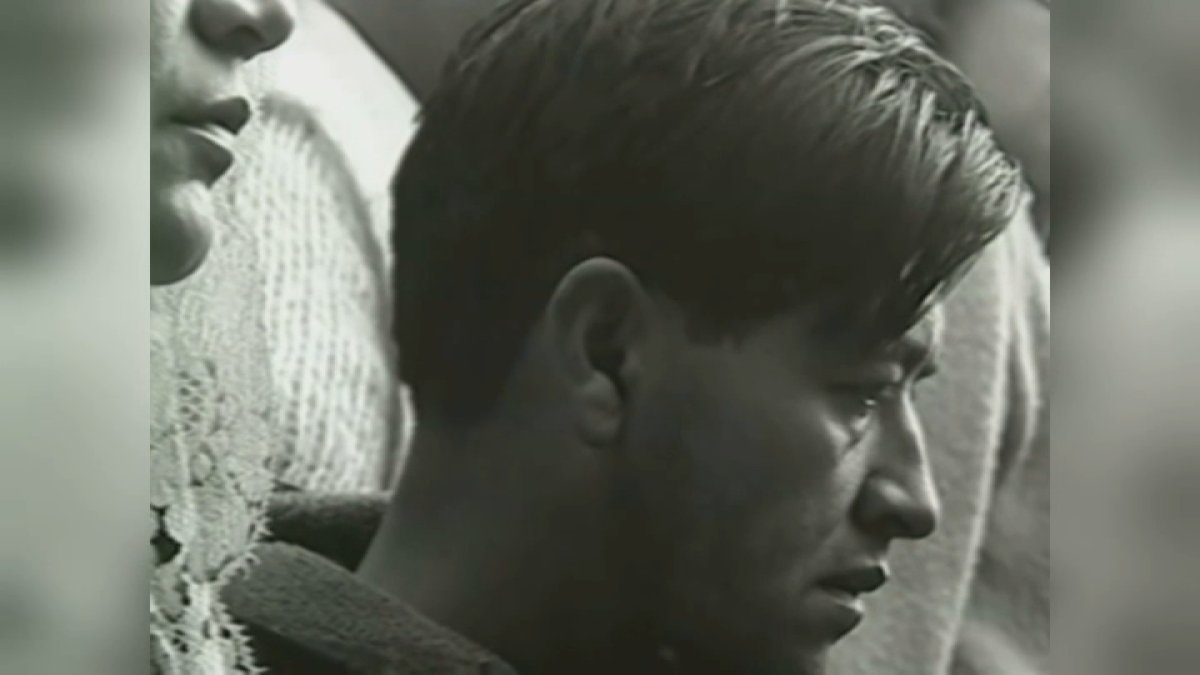
The legacy of César Chávez, a pivotal figure in the American labor movement and a champion of farmworkers’ rights, is undergoing renewed scrutiny as allegations of misconduct surface. As California schools continue to teach children about Chávez as early as fourth grade, parents and educators are grappling with how to address these complex revelations and engage in age-appropriate conversations about a historical figure who is now viewed through a more nuanced lens. The challenge lies in acknowledging both Chávez’s significant contributions and the disturbing claims leveled against him.
For generations, César Chávez has been presented as a symbol of social justice and nonviolent resistance. He co-founded the United Farm Workers (UFW) in 1962, leading a decades-long struggle to improve working conditions and secure fair wages for agricultural laborers, primarily Latino and Filipino workers. His tactics, including boycotts, strikes, and marches, brought national attention to the plight of farmworkers and ultimately led to landmark legislation protecting their rights. Chávez’s commitment to social change earned him the Presidential Medal of Freedom in 1993, posthumously awarded by President Bill Clinton. A photograph of President Clinton presenting the medal to Chávez’s widow, Helen Chávez, is available from the National Archives.
Navigating Difficult Conversations with Children
However, recent allegations of sexual harassment and abuse, detailed in reporting by multiple outlets, have complicated Chávez’s image and prompted a reevaluation of his legacy. These claims, spanning decades, paint a disturbing picture of a leader who allegedly exploited his power and authority. The timing of these revelations is particularly sensitive, as schools across California are actively teaching students about Chávez’s life and work. This has left many parents wondering how to discuss these allegations with their children in a way that is both honest and age-appropriate.
Jovanna Kelly, a marriage and family therapist at the Valley Family Center in San Fernando, California, emphasizes the importance of parents processing their own emotions before engaging in these conversations. “It’s essential for parents, who were also taught for decades about Chávez and considered him a hero, process the new information first,” Kelly stated, as reported by NBC Los Angeles. She suggests that seeking professional help can be beneficial for parents struggling to reconcile their previous understanding of Chávez with the new allegations. The core message, according to Kelly, is that “two things can be true at once.” A person can be responsible for positive change while simultaneously causing harm to others.
This duality is a crucial concept for children to grasp. Simply presenting Chávez as a flawless hero risks perpetuating a harmful narrative that overlooks the complexities of human behavior. Instead, Kelly advocates for a more comprehensive approach that acknowledges both Chávez’s accomplishments and his alleged failings. “It’s really important to teach them the whole story. Who was César Chávez, from birth until death, which includes, unfortunately, some of the subpar things?” she explained. This approach fosters critical thinking skills and encourages children to question idealized narratives.
The Importance of Accountability and Avoiding Idolization
The conversation about Chávez also presents an opportunity to teach children about accountability and the dangers of blindly idolizing individuals. “Speaking about Chávez is a way to remind children about taking accountability without feeding them his hero story only,” Kelly noted. It’s essential to emphasize that even those who have made significant contributions to society are not immune to making mistakes or engaging in harmful behavior.
Kelly further stresses the importance of recognizing the humanity of all individuals, including those we admire. “It’s important to let them understand that they are human, and they are going to fail. They’re not perfect,” she said. This understanding can help children develop empathy and a more realistic perspective on leadership and role models. Acknowledging the victims of alleged abuse is paramount. “It’s important for us to listen to the victims and take accountability,” Kelly emphasized.
The UFW, the organization Chávez co-founded, has responded to the allegations with a statement acknowledging the seriousness of the claims and pledging to cooperate with any investigations. The organization has also announced the creation of an independent commission to review the allegations and build recommendations for addressing them. The United Farm Workers website provides further information on their response and ongoing efforts.
Supporting Parents and Educators
For parents struggling to navigate these conversations, resources are available to provide guidance and support. Mental health professionals, like Jovanna Kelly, can offer individual or family therapy to help process complex emotions and develop effective communication strategies. Schools can also play a role by providing educators with training and resources on how to address these issues in the classroom.
It’s also important for adults to be vulnerable with their children and acknowledge their own struggles with processing this new information. “If adults are having a hard time processing the information, they should not be afraid to be vulnerable with their children and let them know what their parents are experiencing,” Kelly advised. This honesty can create a safe space for children to ask questions and express their own feelings.
Addressing the Allegations Directly
When discussing the allegations with children, it’s crucial to use age-appropriate language and avoid graphic details. Focus on the concept of power dynamics and the importance of respecting boundaries. Explain that even someone who has done fine things can still make harmful choices and that it’s important to listen to and believe those who have been hurt.
It’s also important to emphasize that the allegations do not diminish the positive impact of the farmworkers’ movement. The struggles and sacrifices of countless individuals, including Chávez, led to significant improvements in the lives of farmworkers and continue to inspire social justice movements today. However, acknowledging the allegations is not about erasing Chávez’s accomplishments. it’s about presenting a more complete and honest picture of his life and legacy.
Beyond Chávez: Lessons in Critical Thinking
The situation surrounding César Chávez offers a valuable opportunity to teach children broader lessons about critical thinking, historical analysis, and the importance of questioning authority. Encourage children to research different perspectives, evaluate evidence, and form their own informed opinions. This skill set will serve them well throughout their lives as they navigate a complex and ever-changing world.
The ongoing conversation surrounding César Chávez is a reminder that historical figures are not monolithic. They are complex individuals with both strengths and weaknesses, and their legacies are often subject to reinterpretation as new information comes to light. By embracing this complexity and engaging in honest and open dialogue, People can help children develop a more nuanced understanding of history and the world around them.
As the independent commission established by the UFW begins its work, further details regarding the allegations against Chávez are likely to emerge. The outcome of this investigation will undoubtedly shape the ongoing conversation about his legacy and inform how future generations learn about his life and work. The process of reckoning with the past is rarely easy, but This proves essential for building a more just and equitable future.
What are your thoughts on how to discuss complex historical figures with children? Share your perspectives in the comments below. And please share this article with others who may find it helpful.