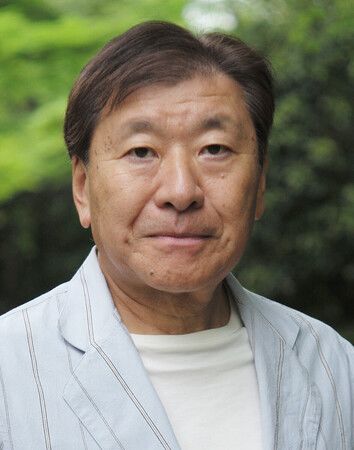
The global literary and cinematic landscape has lost one of its most influential architects of fear. Koji Suzuki, the Japanese author whose psychological horror novel Ring sparked a worldwide phenomenon and redefined the “J-Horror” genre, passed away in Tokyo on May 8, 2026, at the age of 68.
Suzuki’s passing marks the end of an era for a writer who masterfully blended supernatural dread with scientific curiosity. While he is most widely recognized for the terrifying imagery associated with the Ring franchise, his contribution to literature extended far beyond a single cursed videotape, encompassing a career that spanned over three decades of exploration into the intersection of technology, biology, and the afterlife.
From a business and intellectual property perspective, Suzuki’s work represents a masterclass in cross-media scalability. His narratives did not merely stay on the page; they became the blueprints for a global industry of adaptations, including landmark films, manga, television series, and video games that exported Japanese horror sensibilities to every corner of the globe.
The Architect of Modern J-Horror: The Legacy of ‘Ring’
Koji Suzuki first captured the world’s attention with the publication of Ring (Ringu) in 1991. The novel introduced a chillingly modern premise: a cursed recording that guarantees death to anyone who watches it unless they can solve the mystery and pass the curse along. This narrative device tapped into a deep-seated anxiety regarding the proliferation of media technology, making the horror feel intimate and inescapable.
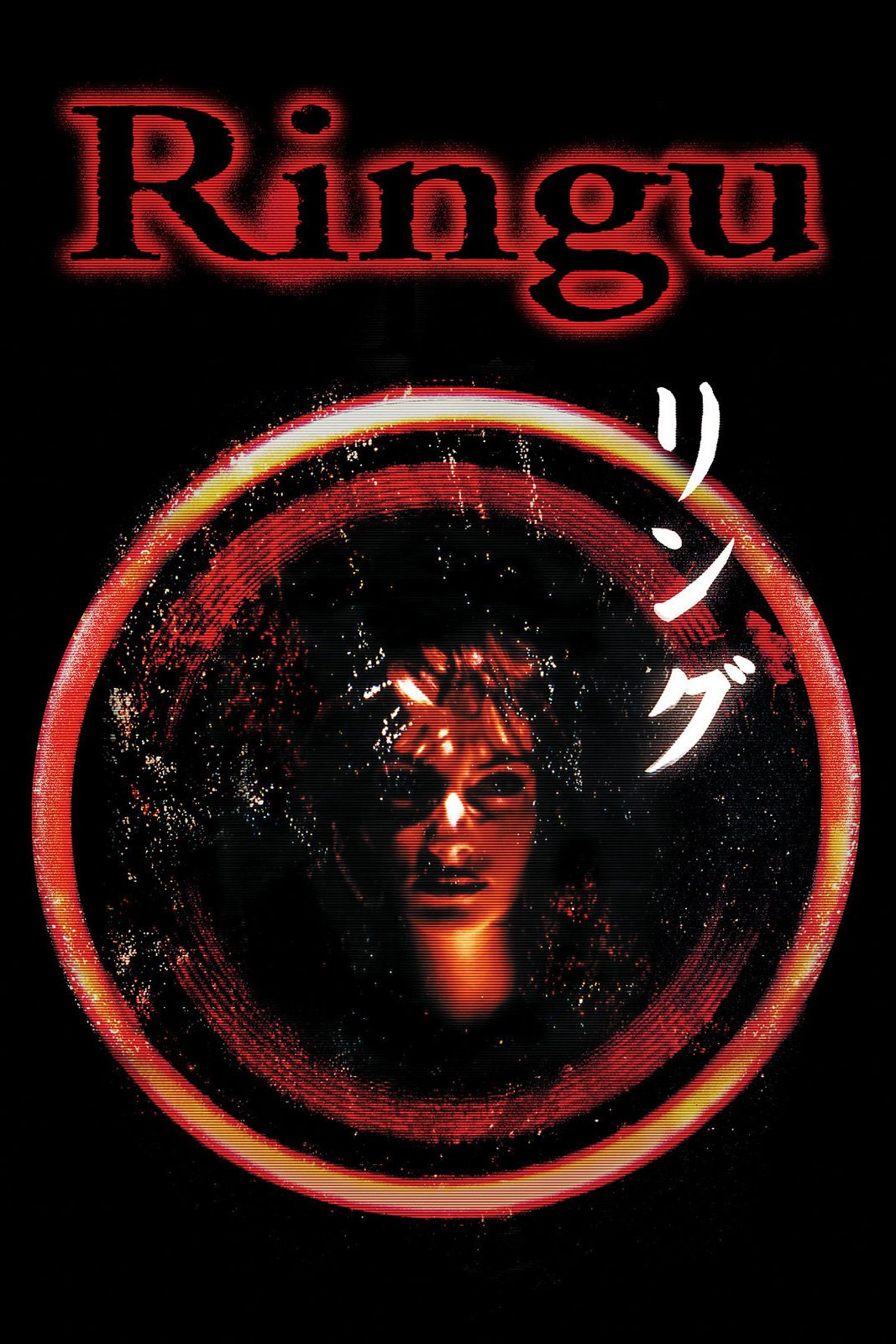
The success of Ring was not an isolated event but the start of an expansive series. Suzuki continued to build this universe through sequels and expansions, including Spiral (Rasen) in 1995 and Loop (Rupu) in 1998. He further deepened the lore with the short story collection Birthday (1999), which featured “Coffin in the Sky,” providing critical closure to the events of Spiral, and “Lemon Heart,” a prequel to the original Ring. His ability to evolve the story from a ghost story into something touching upon science fiction and biological horror ensured the longevity of the series, leading to later entries such as S (2012) and Tide (2013).
The commercial impact of these works cannot be overstated. By creating a story that was both culturally specific to Japan and universally terrifying, Suzuki provided the foundation for the “J-Horror” boom of the late 1990s and early 2000s, influencing countless directors and writers worldwide.
A Diverse Bibliography and Genre Fluidity
While the Ring series remains his most famous contribution, Suzuki was a prolific writer who refused to be pigeonholed. His bibliography reveals a fascination with the boundaries of human existence and the fragility of the mind. In 1990, he published Paradise (Rakuen), and in 1993, he released The Shining Sea (Hikari sasu umi), a work that saw a republication by Vertical Publishing in 2022 according to biographical records.
Other notable standalone works include Promenade of the Gods (Kamigami no Promenade) in 2003 and Edge (2008). His versatility was further evidenced by his foray into short story collections, such as Death and the Flower (1995), which contained pieces like “Disposable Diapers and a Race Replica” and “Avidya.” He also authored Dark Water (Honogurai mizu no soko kara) in 1996, another pillar of the horror genre that would eventually see significant screen adaptations.
Even in the final year of his life, Suzuki remained active in his craft. He published Ubiquitous in 2025, proving that his drive to explore new narrative territories remained intact until the very end.
Global Recognition and Critical Accolades
The literary community recognized Suzuki not just for his commercial success, but for his technical mastery of the thriller and horror genres. His ability to weave complex plots with psychological depth earned him prestigious international honors.
In 2012, Suzuki was honored with the Shirley Jackson Award, a prize dedicated to psychological suspense and horror. The pinnacle of his professional recognition came in 2022, when he received the Bram Stoker Award for Lifetime Achievement, an honor reserved for those who have made a profound and lasting impact on the field of horror writing as documented in his professional history.
These awards underscore Suzuki’s status as more than a “genre writer”; he was a literary figure who elevated horror to a study of human nature, grief, and the terrifying possibilities of science.
The Man Behind the Mystery
Beyond the shadows of his fiction, Koji Suzuki led a life characterized by a wide range of personal interests. Born in Hamamatsu, Shizuoka, and later residing in Tokyo, Suzuki was known to balance the darkness of his professional work with a love for the outdoors and family life.

His personal passions included traveling, sailing, and motorcycling. He stepped away from the macabre to write several books focusing on the subject of fatherhood, showcasing a softer, more contemplative side of his writing persona. This duality—the creator of some of the world’s most feared imagery and a writer focused on the bonds of parenthood—highlights the complexity of the man behind the novels.
| Year | Milestone / Publication | Significance |
|---|---|---|
| 1990 | Paradise (Rakuen) | Early standalone novel |
| 1991 | Ring (Ringu) | Global J-Horror phenomenon |
| 1996 | Dark Water | Major contribution to horror literature |
| 2012 | Shirley Jackson Award | International critical recognition |
| 2022 | Bram Stoker Lifetime Achievement Award | Highest honor in horror writing |
| 2025 | Ubiquitous | Final published novel |
Koji Suzuki’s death is a significant loss for the global arts community. He did not simply write scary stories; he created a new vocabulary for fear in the digital age. For those wishing to explore his legacy, his novels remain available through various publishers, including Vertical Inc. (owned by Kodansha and Dai Nippon Printing) in the United States.
While official memorial services and tributes in Tokyo have not yet been detailed for the public, It’s expected that the publishing and film industries will release formal statements in the coming days to honor his monumental contributions to culture.
World Today Journal encourages readers to share their favorite Koji Suzuki works or their memories of the first time they encountered the world of ‘Ring’ in the comments below.
Worth a look