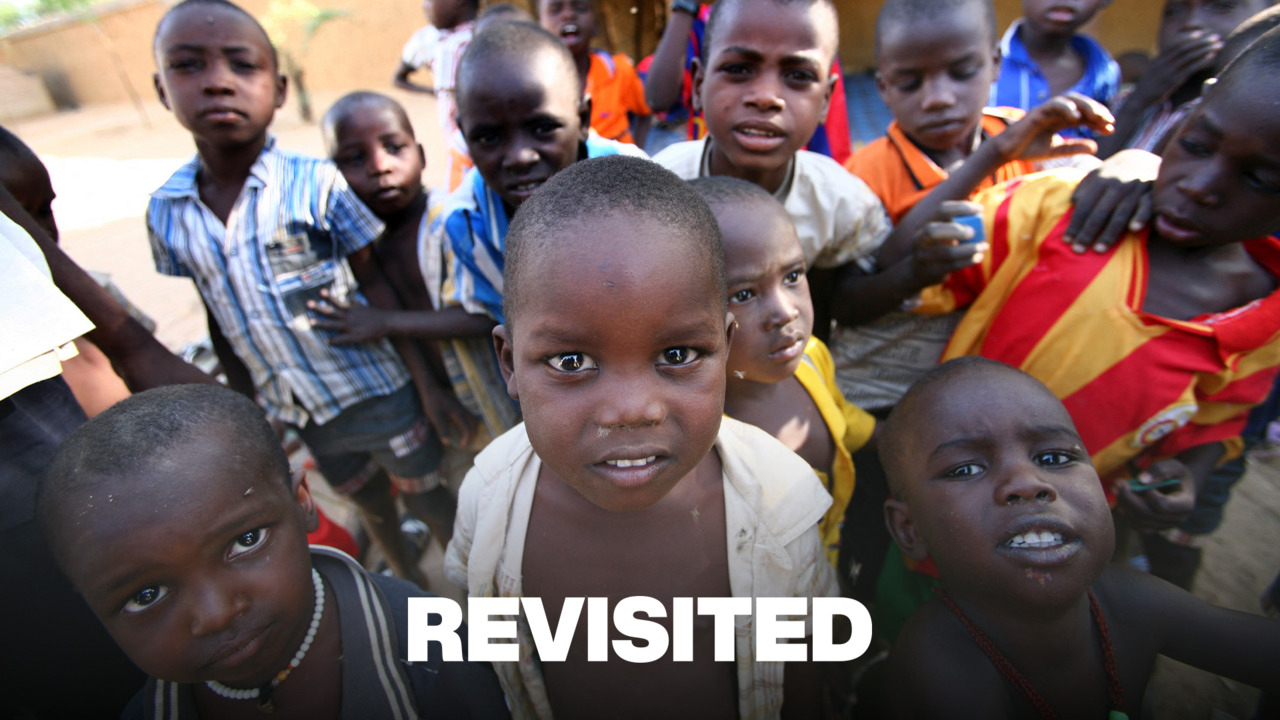
The Long Shadow of Zoe’s Ark: Chad’s Forgotten Children Still seek Justice
Eighteen years have passed since a shocking scandal involving a French NGO and the attempted removal of children from Chad. Yet, for many of those affected, the fight for rightful compensation remains ongoing. This is a story of broken promises, legal battles, and the enduring impact of trauma on a generation.
In 2007, the organization Zoe’s Ark launched a highly publicized campaign. They aimed to evacuate 10,000 orphans from the Darfur region of Sudan, intending to place them with foster families in France. However, the operation quickly unraveled when six members, including the group’s founder and his partner, were arrested in Chad.
They were caught attempting to fly 103 children out of the country. Investigations revealed a disturbing truth: the vast majority of these children weren’t orphans at all. Many still had living parents, and were, actually, Chadian citizens. This wasn’t a humanitarian mission; it was a case of attempted abduction.
The six individuals faced Chadian justice, initially receiving eight-year sentences of hard labor. Later, they were repatriated to France and later pardoned by then-President Idriss Deby. French courts also pursued the case, resulting in suspended two-year prison sentences for the organization’s leaders in 2013, despite their continued claims of innocence.
Though, the legal proceedings addressed only a fraction of the damage. Crucially, Chadian courts ordered compensation to be paid to the victims once they reached adulthood. This promise offered a glimmer of hope for a future free from the trauma they experienced.
Sadly, that hope has largely gone unfulfilled. Many of these individuals are still navigating a complex and frustrating legal system to receive the compensation they were promised.
Here’s a breakdown of the challenges they face:
* Bureaucratic Delays: Years have been lost to administrative hurdles and slow processing of claims.
* Lack of Information: Victims often struggle to understand their rights and the steps needed to claim compensation.
* Financial Constraints: Legal portrayal and the costs associated with pursuing claims are often beyond their reach.
* Emotional Toll: Reliving the trauma of 2007 while fighting for justice takes a significant emotional toll.
You might be wondering, what does this mean for the individuals impacted? For many, the lack of compensation represents more than just financial hardship. It’s a denial of justice, a continued disregard for the harm they suffered, and a barrier to rebuilding their lives.
Consider the lasting effects of being taken from your family, even temporarily, under false pretenses. The psychological scars can run deep, impacting relationships, education, and overall well-being.
The story of Zoe’s Ark serves as a stark reminder of the vulnerabilities faced by children in conflict zones and the importance of ethical conduct in international aid work. It also highlights the long-term consequences of such actions, and the responsibility to ensure that victims receive the support and justice they deserve.
If you are interested in learning more about this case and similar issues, researching international child welfare laws and the role of NGOs in humanitarian crises is a good starting point. Ultimately, ensuring accountability and providing lasting support for these forgotten children is a moral imperative.
Related reading