
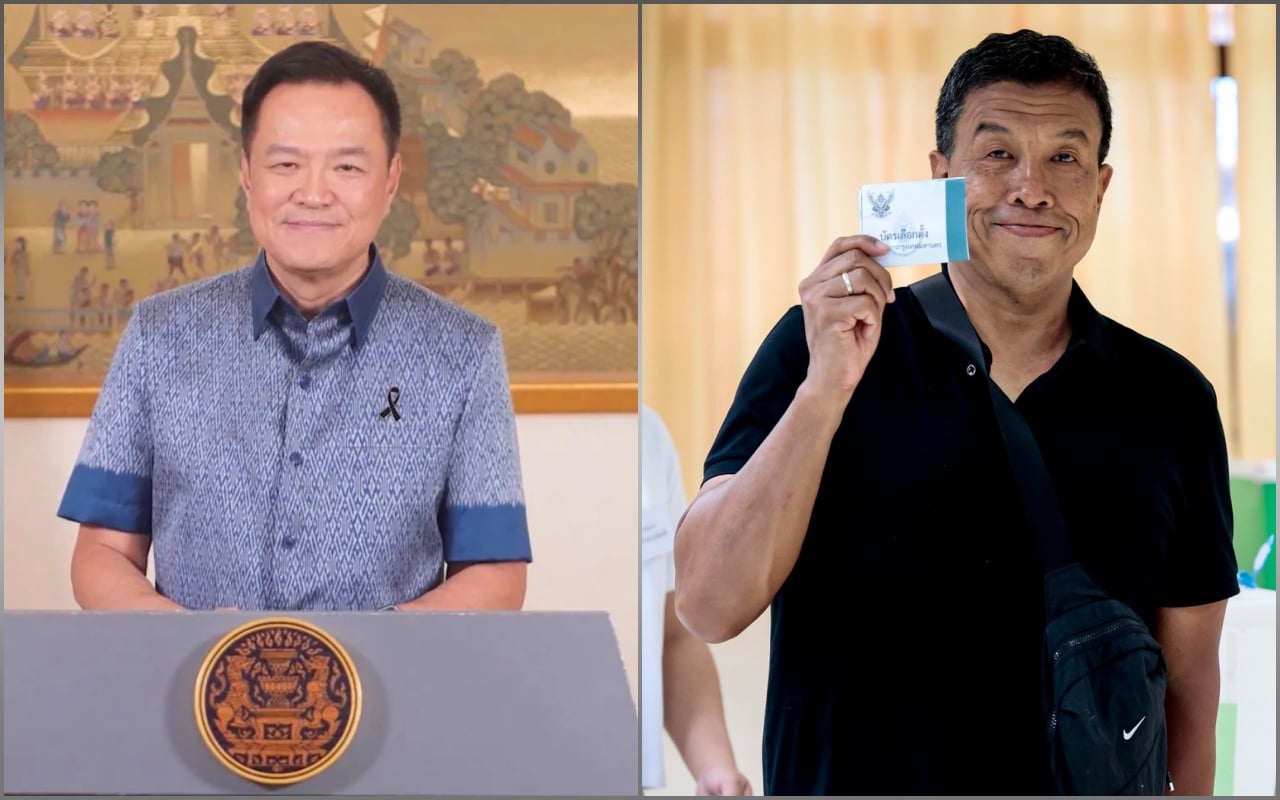
Chadchart Sittipunt has secured a mandate as the new Governor of Bangkok, garnering 1.44 million votes in the gubernatorial election. Following the results, the Prime Minister expressed readiness to cooperate with the new administration. The victory marks a significant shift in the capital’s local politics, as the independent candidate secured the highest number of votes in history.
The transition of power comes at a time when residents have signaled interest in what the new Governor will do in the first 100 days. With the results, the focus has shifted toward the implementation of a 100-day action plan.
A Record-Breaking Mandate
The scale of the support for Chadchart Sittipunt has been described as a definitive statement from the electorate. By securing 1.44 million votes, he broke his own record, achieving the highest number of votes in history. This figure highlights a broad base of support. The result reflects a desire for a new approach to urban management.

The Prime Minister has formally acknowledged the result, stating a commitment to cooperate with the new Governor. This cooperation is deemed essential for the effective execution of policies.
The 100-Day Action Plan
Central to the new administration’s platform is a 100-day plan. According to public statements made by Chadchart Sittipunt, the initial phase of his tenure will focus on the establishment of a management team emphasizing work without conflicts of interest. The Governor has emphasized that the primary goal is to ensure that all administrative decisions are free from conflicts of interest, a point that resonated strongly with voters during the campaign.
The administration is now tasked with prioritizing projects. Public sentiment, gauged through various digital platforms and surveys, indicates that residents have questions regarding what the new Governor should do in the first 100 days. The administration has committed to transparency.
Governance and Administrative Cooperation
The relationship between the BMA and the national government is important. The expressed willingness of both sides to work together suggests a pragmatic approach.
Observers note that the success of the 100-day plan will depend heavily on the ability of the new team. By focusing on projects, the administration intends to demonstrate its capability early in its term. This strategy is designed to create momentum for more complex, long-term urban planning initiatives that will require sustained collaboration with the national government.
What Comes Next
As the transition phase concludes, the public is looking toward the official commencement of the new administration’s agenda. The next milestone will be the rollout of the initial budget allocations for the 100-day projects. These steps will serve as a bellwether for the administration’s adherence to its campaign promises regarding transparency and efficiency.
Residents and stakeholders are encouraged to monitor the official portal for real-time updates. As the new leadership settles into City Hall, the focus remains on whether the historic voter turnout will translate into the systemic improvements that the electorate has demanded.
What are your expectations for the new administration’s first 100 days? Share your thoughts and join the conversation in the comments section below.