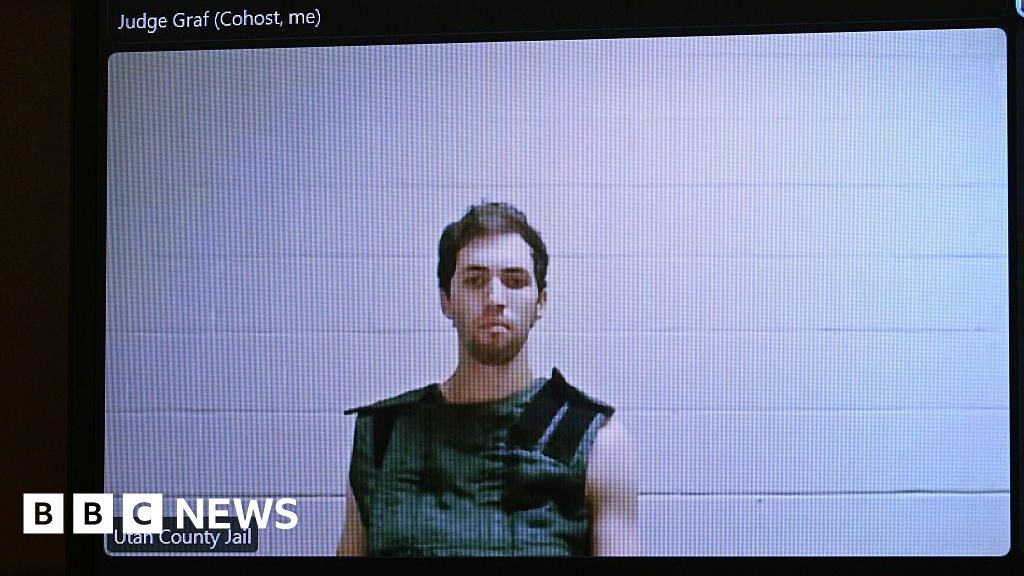
Tyler Robinson Case: Balancing Justice and Presumption of Innocence in teh Charlie Kirk Shooting
The case surrounding the alleged murder of right-wing activist Charlie Kirk has captivated national attention. Recent court proceedings have focused not just on the charges against Tyler Robinson, but also on how to ensure a fair trial amidst intense public scrutiny. A utah judge has made a key ruling regarding Robinson’s appearance in court, a decision that highlights the delicate balance between public safety, the rights of the accused, and the pursuit of justice.
This article delves into the details of the ruling, the reasoning behind it, and the broader implications for the case as it moves forward. We’ll explore the legal principles at play,the concerns surrounding potential jury bias,and what this means for the future of the proceedings.
The Ruling: Civilian Clothes, But Restraints Remain
On October 27th, 2025, Judge Tony Graf ruled that Tyler Robinson, 22, will be permitted to wear civilian clothes during pre-trial hearings. This decision aims to avoid potentially prejudicing potential jurors. The judge acknowledged the significant public interest in the case and emphasized the importance of upholding Robinson’s “presumption of innocence.”
However, the ruling wasn’t without stipulations. Judge Graf also ordered that Robinson be visibly restrained during all hearings. Crucially,any photographs or video footage depicting Robinson in restraints will be prohibited from public release. This aims to mitigate the potential for negative bias while still addressing courtroom safety concerns.
Why Civilian Clothes? the Presumption of Innocence
The core of Judge Graf’s decision rests on the fundamental legal principle of “presumption of innocence.” This cornerstone of the American justice system dictates that every individual is considered innocent until proven guilty beyond a reasonable doubt.
Presenting a defendant in jail attire can subtly, yet powerfully, undermine this presumption in the eyes of potential jurors. As Judge Graf stated, Robinson’s right to be seen as innocent outweighs the minor inconvenience of allowing him to wear his own clothes. This is a common practice in high-profile cases where pre-trial publicity is substantial.
Safety Concerns and the Need for Restraints
Despite allowing civilian attire, the judge maintained that Robinson must remain restrained during court appearances. this decision acknowledges the severity of the charges against Robinson – including aggravated murder, obstruction of justice, and felony discharge of a firearm – and the potential risks to courtroom safety.
Utah County prosecutors are, actually, seeking the death penalty in this case, further escalating the stakes. While Robinson has no prior criminal history, the gravity of the alleged crimes necessitates precautions to protect all parties involved: Robinson himself, the attorneys, court staff, and the public. the judge emphasized that safety remains the court’s “highest priority.”
The Case Against Tyler robinson: A Timeline
Tyler Robinson was arrested on September 12th, 2025, more than a day after Charlie kirk was fatally shot while speaking at Utah Valley University. The shooting occurred during a public event, immediately sparking a national debate and intense media coverage.
Robinson faces seven charges in total, reflecting the multifaceted nature of the alleged crime. The obstruction of justice charge suggests potential attempts to hinder the inquiry, adding another layer of complexity to the case.
Addressing Potential Jury Bias in High-Profile Cases
The Charlie Kirk shooting has garnered significant media attention, making it challenging to find impartial jurors. This is a common hurdle in high-profile cases, and courts employ various strategies to mitigate bias.
These strategies include:
* Extensive Jury Questionnaires: Detailed questionnaires help identify potential jurors with pre-formed opinions.
* Voir dire: A rigorous questioning process allows attorneys to probe potential jurors’ biases.
* Sequestration: Isolating jurors from external influences during the trial.
* Change of Venue: Moving the trial to a different location if local publicity is deemed too pervasive.
Judge Graf’s decision regarding Robinson’s attire is another tactic aimed at minimizing potential bias, specifically addressing how the defendant is perceived before any evidence is presented.
What’s Next? The Road Ahead
Robinson’s next in-person court appearance is scheduled for January 16th, 2026. Between now and then,the prosecution and defence will continue to prepare their cases,gathering evidence and interviewing witnesses.
Pre-trial motions, including challenges to evidence and requests for revelation, are also likely. The coming months will be crucial in shaping the trajectory of the case and determining whether it will proceed to trial.
Evergreen Insights: The
Keep reading