Security researchers have identified an actively exploited zero-day vulnerability in Check Point security gateways, which is currently being leveraged by threat actors with ties to the Qilin ransomware group. The vulnerability, tracked as CVE-2026-50751, allows unauthorized access to sensitive data on affected remote access VPNs, prompting an urgent security advisory from Check Point and a mandatory patch timeline for organizations utilizing the vendor’s hardware.
The flaw, which resides in the management interface of the gateway, enables remote, unauthenticated attackers to extract password hashes and other credentials. According to Check Point’s official security advisory, the vulnerability affects all versions of their CloudGuard Network, Quantum Maestro, and Quantum Scalable Chassis when configured for remote access VPN or mobile access. The company has released emergency hotfixes and strongly urges all administrators to apply these updates immediately to prevent unauthorized network entry.
Understanding the Qilin Ransomware Connection
The exploitation of CVE-2026-50751 has been linked to the Qilin ransomware-as-a-service (RaaS) operation, a prolific cybercriminal group known for targeting enterprise infrastructure. Cybersecurity firm Mandiant, a subsidiary of Google Cloud, has documented the group’s tactics, noting that Qilin frequently focuses on initial access brokers to gain entry into corporate networks before deploying encryption payloads. The link between this specific zero-day and Qilin suggests a shift toward exploiting edge devices to bypass traditional perimeter defenses.
Security analysts suggest that the use of zero-day exploits—vulnerabilities unknown to the vendor at the time of discovery—indicates a high level of sophistication among the threat actors involved. By targeting VPN infrastructure, the attackers gain a foothold that is difficult to detect using standard endpoint protection, as the compromise occurs at the gateway level rather than on individual workstations. The Cybersecurity and Infrastructure Security Agency (CISA) has emphasized that organizations must treat VPN vulnerabilities as high-priority risks due to their position as the “front door” to corporate internal resources.
Mitigation Strategies for Network Administrators
For organizations currently operating Check Point gateways, the primary defense is the immediate application of the vendor-provided hotfix. Administrators can access these patches through the Check Point User Center. In addition to patching, security teams are advised to review logs for signs of anomalous access, specifically looking for unusual authentication requests originating from the VPN interface.

Beyond patching, experts recommend the implementation of multi-factor authentication (MFA) on all VPN access points. While a zero-day exploit might bypass certain authentication mechanisms, MFA adds a layer of friction that can delay or prevent a threat actor from fully compromising a network. Furthermore, network segmentation remains a critical strategy; by isolating VPN traffic from the rest of the corporate environment, an organization can contain a potential breach even if the gateway itself is compromised.
Broader Implications for Enterprise Security
The discovery of CVE-2026-50751 highlights a growing trend of threat actors focusing on infrastructure-level vulnerabilities. As organizations increasingly rely on remote work, the reliance on VPNs has made these gateways prime targets for ransomware syndicates. This incident serves as a reminder that perimeter security requires constant vigilance and a robust patch management lifecycle. The National Institute of Standards and Technology (NIST) continues to advocate for a “Zero Trust” architecture, which assumes that the network is already compromised and requires strict verification for every access request, regardless of whether it originates from inside or outside the local network.
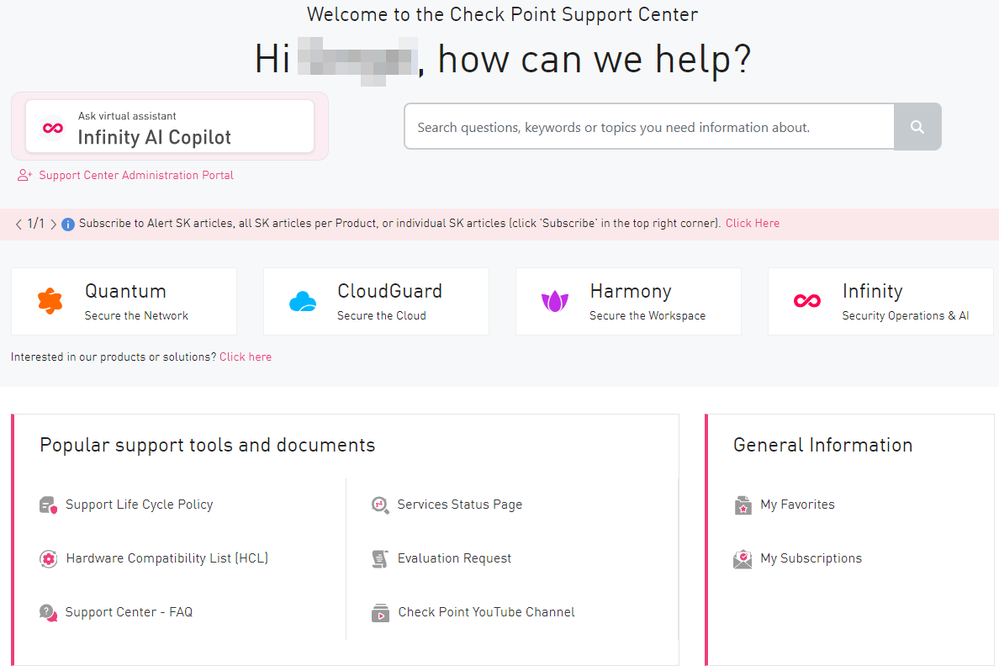
As of this writing, there is no evidence that the vulnerability is being used for widespread, automated attacks; rather, it appears to be utilized in targeted campaigns against specific organizations. Check Point continues to monitor the situation and has stated it will provide updates as more information becomes available. Administrators are encouraged to subscribe to the Check Point Support Center notifications to receive the latest technical documentation and security bulletins regarding this ongoing threat.
The next phase of this response will depend on the speed of enterprise adoption of the emergency hotfixes. Organizations that fail to secure their gateways within the recommended window face an increased risk of data exfiltration and subsequent ransomware deployment. Readers are encouraged to share this information with their IT security teams to ensure all necessary precautions are taken. Please leave a comment below if you have questions regarding the deployment process for your specific environment.
Worth a look