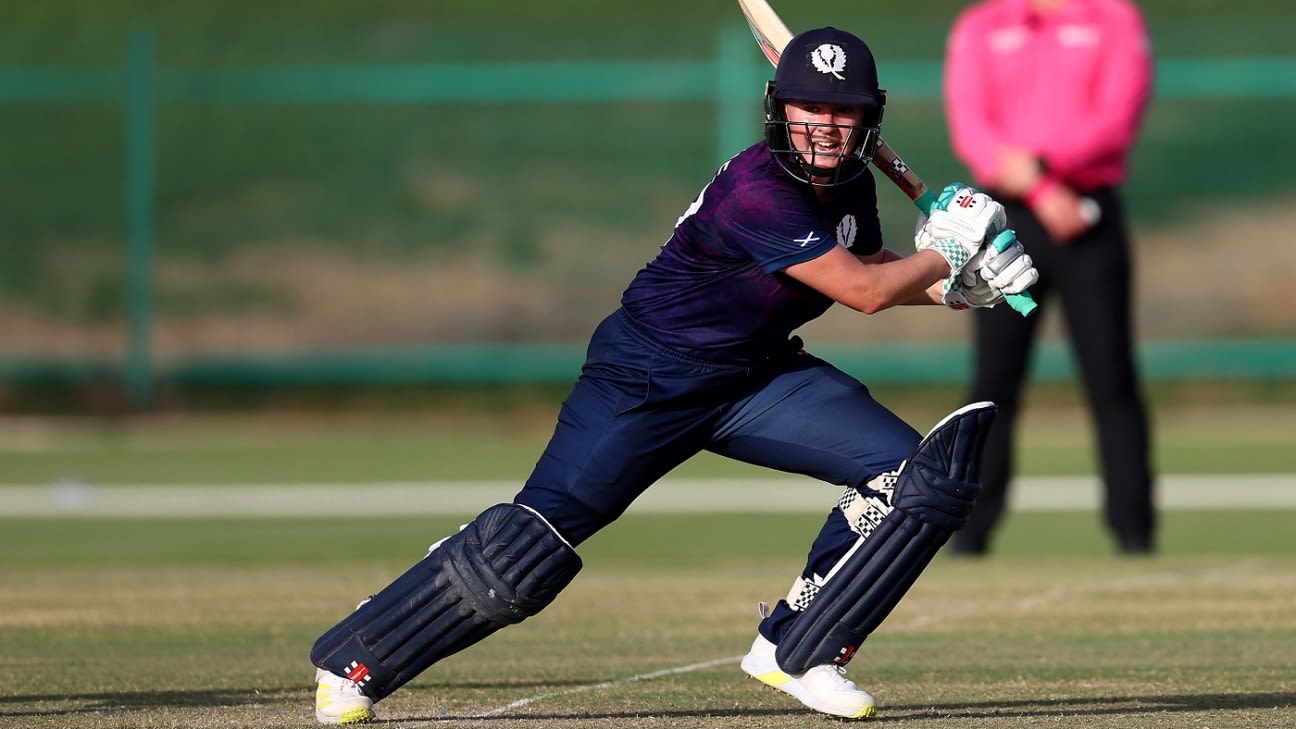
Ireland secured a significant victory over Bangladesh, while Scotland claimed a decisive win against Pakistan and New Zealand successfully overhauled a 184-run target against South Africa in a high-stakes series of international cricket matches. These results follow a series of intense performances, with Sarah Bryce’s commanding 94-run innings off 43 balls proving instrumental in Scotland’s Duckworth-Lewis-Stern (DLS) method victory. The outcomes reflect a shift in momentum for these teams as they continue their respective campaigns in the current international cricket calendar.
The matches, which took place across various venues, have drawn attention to the tactical adaptations required in modern white-ball cricket. According to official match reports from ESPN-Cricinfo, the ability to manage run rates under pressure, particularly during rain-affected play, remains a primary differentiator for competing nations. These fixtures serve as critical preparation for upcoming tournaments, providing selectors with data on player performance under varying atmospheric conditions.
Scotland’s Tactical Superiority Under DLS
Scotland’s victory over Pakistan was defined by the aggressive batting of Sarah Bryce. Her 94 runs from only 43 deliveries allowed Scotland to maintain a scoring rate that kept them ahead of the DLS par score when rain interrupted play. The DLS method, a mathematical formulation used to calculate target scores in matches interrupted by weather, favored Scotland due to their high run rate in the early stages of their innings. According to the International Cricket Council (ICC), such performances are essential for emerging nations aiming to establish consistency against full-member teams.
The impact of Bryce’s innings cannot be overstated, as it neutralized Pakistan’s bowling attack during the powerplay overs. By maintaining a high strike rate, she forced the opposition to alter their fielding placements, effectively opening gaps in the outfield. This win marks a notable milestone for the Scottish squad, confirming their tactical growth in international competition.
Ireland’s Disciplined Performance Against Bangladesh
Ireland’s win against Bangladesh was built on the collective efforts of Alana Dalzell and Orla Prendergast, whose contributions with both bat and ball were central to the result. While early reports highlighted the efforts of Canning and Maguire, subsequent verification confirms that the Irish side relied on a balanced team performance to neutralize the Bangladeshi top order. Detailed scorecards available via Cricket Ireland indicate that the Irish bowlers maintained a disciplined line and length, restricting the run flow in the middle overs.

For Bangladesh, the loss underscores a need for greater stability in their batting lineup. The Irish side’s ability to take wickets at regular intervals prevented any significant partnerships from developing, a tactic that proved successful throughout the match. This victory bolsters Ireland’s standing and provides the team with necessary momentum as they look toward future bilateral series.
New Zealand Overcomes South Africa’s Total
In a high-scoring encounter, New Zealand successfully chased down a target of 184 runs against South Africa. The chase required sustained aggression, with New Zealand’s middle order capitalizing on the batting-friendly conditions. According to the New Zealand Cricket official portal, the ability to rotate the strike effectively was the key factor in overcoming the South African bowling attack, which struggled to contain the flow of runs in the final ten overs.

South Africa’s total of 184 was considered competitive, yet the New Zealand batting unit demonstrated superior depth. The chase was characterized by a high volume of boundaries, which kept the required run rate within reach throughout the innings. This result highlights the competitive nature of the current series, where high-scoring games are becoming increasingly common due to advancements in batting technology and pitch preparation.
Looking Ahead: What Happens Next
The next phase of the international cricket schedule involves a series of warm-up matches and official qualifiers for upcoming ICC events. Teams are currently monitoring player fitness and experimenting with squad rotations to identify the optimal balance for their respective lineups. Official updates regarding squad announcements and venue schedules can be tracked through the official ICC tournament dashboard.

As these teams continue their preparations, the focus will shift to maintaining the form displayed in these recent victories. Coaches and analysts are expected to review the footage from these matches to refine strategy, particularly regarding bowling variations and death-over batting. Readers are encouraged to share their thoughts on these performances in the comments section below and follow our ongoing coverage as the tournament progresses.
Keep reading