
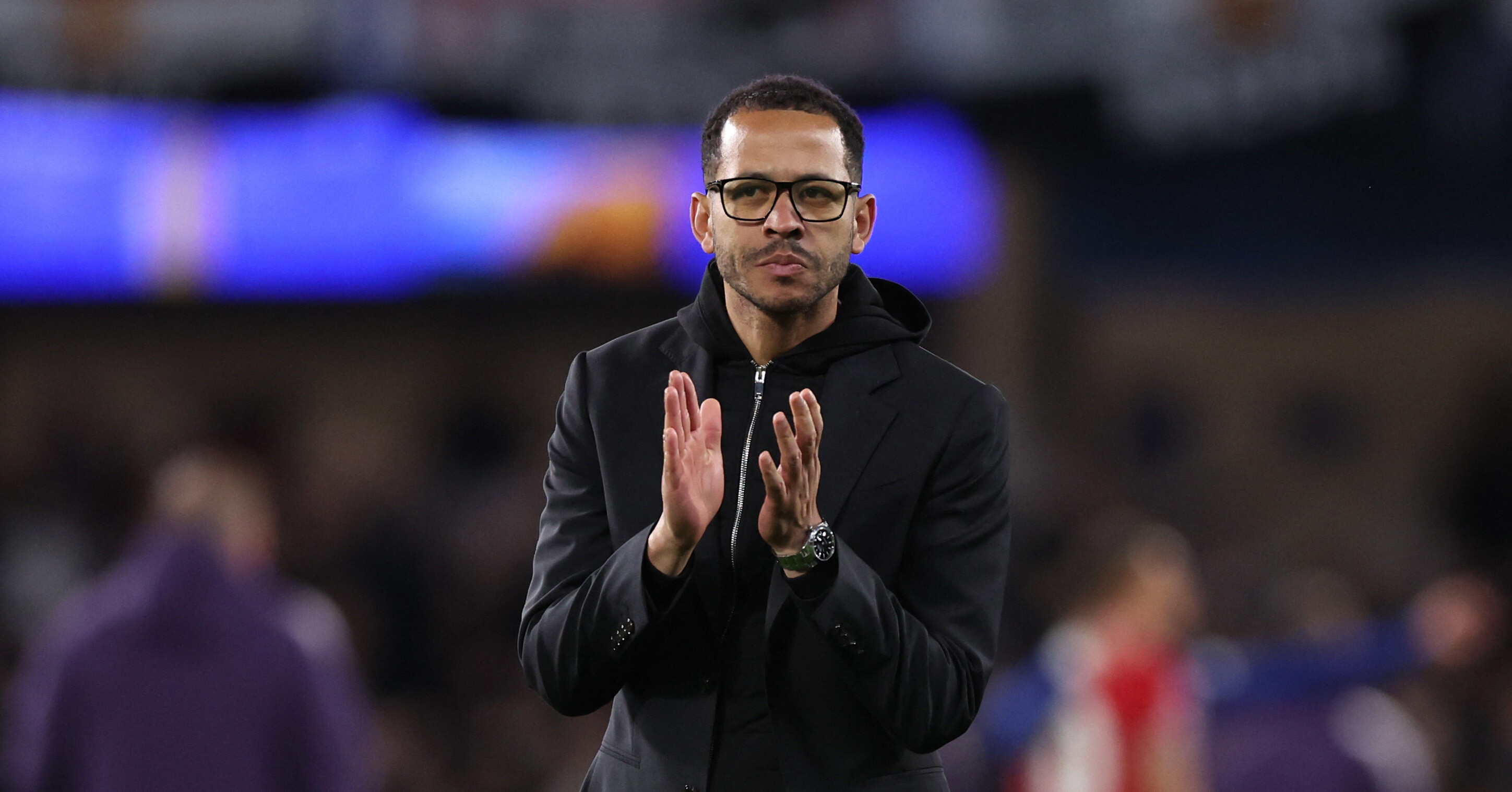
Chelsea Football Club has dismissed head coach Liam Rosenior after just 23 matches in charge, marking another abrupt end to a managerial tenure at Stamford Bridge. The decision follows a humiliating 3-0 defeat to Brighton & Hove Albion on April 21, 2026, which left Chelsea seventh in the Premier League table and increasingly distant from European qualification spots. Rosenior’s sacking came less than four months after his appointment, underscoring the volatile nature of leadership at one of England’s most scrutinized football clubs.
The Brighton loss represented Chelsea’s fifth consecutive league defeat without scoring a goal – a streak not seen since the 1912-13 season, the same year the Titanic sank. During the match at the AMEX Stadium, Chelsea failed to register a single shot on target and did not make a tackle until the 32nd minute. Ferdi Kadioglu opened the scoring for Brighton in the third minute, with Jack Hinshelwood and Danny Welbeck adding further goals to seal a comprehensive victory that propelled the Seagulls into sixth place in the league standings.
In his post-match interview with Sky Sports, Rosenior did not mince words about his team’s performance, calling it “indefensible” and “unacceptable in every aspect of the game.” He expressed particular frustration over the lack of intensity, lost duels, and unprofessional attitude displayed by his players. “I keep coming out and defending the players. That’s indefensible, that performance tonight,” Rosenior stated, adding that the manner of the goals conceded and the team’s overall approach left him questioning whether he wanted to witness such a display again in his career.
The dismissal has reignited debate over Chelsea’s managerial stability under current ownership. Since Roman Abramovich’s departure in 2022, the club has cycled through multiple head coaches in rapid succession, often making changes after short periods in charge. Rosenior’s exit continues a pattern where managers are held accountable for results amid intense pressure to secure Champions League qualification and deliver consistent performances in one of the world’s most competitive leagues.
Rosenior’s Brief Tenure and Immediate Challenges
Liam Rosenior was appointed Chelsea head coach in December 2025 following a period of instability at the club. His arrival was intended to bring tactical discipline and renewed motivation to a squad underperforming relative to expectations. Although, from the outset, results failed to improve significantly. Over 23 matches across all competitions, Chelsea recorded inconsistent form, struggling to convert chances and maintain defensive solidity.
The Brighton defeat served as a breaking point not only due to the scoreline but also the manner of the performance. Chelsea’s inability to create meaningful opportunities or apply pressure highlighted deeper issues within the team’s cohesion and mental resilience. Rosenior acknowledged after the match that “something needs to change drastically right now,” pointing to deficiencies in attitude and professionalism that had become increasingly evident in recent weeks.
Despite his short tenure, Rosenior earned respect for his candid communication and willingness to take responsibility. In interviews following heavy defeats, he frequently shielded players from public criticism while internally demanding higher standards. His dismissal, however, reflects the unforgiving environment at Chelsea, where even experienced managers struggle to implement long-term visions amid expectations for immediate success.
Impact on Chelsea’s Season and Future Outlook
With Rosenior’s departure, Chelsea now faces the challenge of stabilizing their season with just four Premier League matches remaining. Sitting seven points behind fifth-place Liverpool – the final Champions League qualification spot – the mathematical possibility of reaching Europe’s elite club competition has diminished significantly. Four teams currently sit within two points of Chelsea, each with a game in hand, increasing the likelihood that the Blues will miss out on continental football for the 2026-27 season.
The immediate focus shifts to the FA Cup semi-final against Leeds United, scheduled for April 23, 2026. This match represents one of Chelsea’s remaining realistic pathways to silverware and European qualification via tournament victory. An interim manager is expected to be appointed to oversee the squad until a permanent replacement is identified, though the club has not yet confirmed who will take charge of the Leeds fixture.
Long-term, the sacking raises questions about Chelsea’s recruitment strategy, player motivation, and the effectiveness of frequent managerial changes. Analysts have noted that sustained success requires stability in both playing staff and leadership, yet Chelsea’s recent history suggests a preference for short-term fixes over enduring solutions. As the club evaluates its next head coach appointment, balancing experience, tactical philosophy, and alignment with ownership’s vision will be critical to restoring competitiveness.
Wider Context: Managerial Volatility in Modern Football
Chelsea’s situation mirrors broader trends in elite football, where managerial tenures have shortened across top leagues due to heightened scrutiny, financial pressures, and fan expectations. While some clubs benefit from continuity and long-term planning, others – particularly those with ambitious ownership models – often prioritize rapid results over developmental processes. This environment can hinder the implementation of coherent playing styles and player development pathways.
For Rosenior, the experience at Chelsea, though brief, adds to a growing portfolio of challenges faced by managers navigating high-pressure environments. His previous roles, including a stint with Strasbourg in Ligue 1, demonstrated an ability to organize teams and foster resilience, but the unique demands of managing at a club like Chelsea proved difficult to satisfy within the limited timeframe afforded.
As the Premier League season enters its final stages, Chelsea’s focus will shift to finishing the campaign with dignity while preparing for a summer of potential transition. Whether through squad overhaul, managerial change, or both, the club aims to address the shortcomings exposed during a disappointing run of form that culminated in the Brighton defeat and subsequent dismissal of Liam Rosenior.
The next confirmed checkpoint for Chelsea is the FA Cup semi-final against Leeds United on April 23, 2026. Updates on the managerial search and team preparations will be provided by the club through official channels as they become available.
What are your thoughts on Chelsea’s managerial instability and its impact on team performance? Share your perspective in the comments below and join the conversation on social media.