
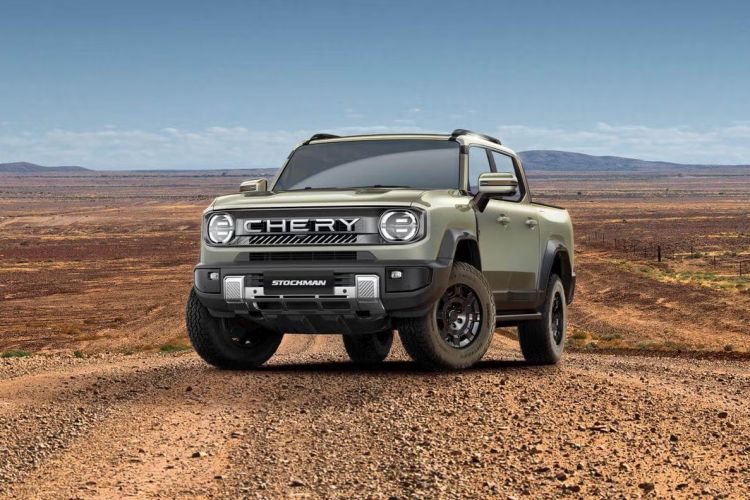
Chinese automaker Chery is expanding its global utility vehicle lineup with the development of a new diesel-electric hybrid pickup truck, a move that signals the manufacturer’s intent to capture a larger share of the international commercial and off-road markets. While official technical specifications remain subject to final certification, industry reports indicate the vehicle is designed to bridge the gap between traditional combustion engine durability and the torque-heavy performance of electric powertrains. This development reflects a broader strategy by Chinese automotive firms to diversify engine technology as global emissions standards tighten, according to recent analysis from the International Energy Agency regarding the shift toward electrified commercial fleets.
The upcoming pickup, often referred to in trade circles by the internal development moniker “Stockman,” represents a strategic pivot for Chery. Unlike the company’s existing passenger-focused SUV portfolio, this model is engineered for heavy-duty utility, utilizing a dual-powertrain system that allows for extended range in remote areas where charging infrastructure may be limited. By pairing a diesel engine with an electric motor, the vehicle aims to provide the high-load hauling capacity necessary for industrial applications while complying with evolving urban low-emission mandates, as detailed by the Reuters reporting on Chery’s overseas expansion plans.
Engineering the Hybrid Powertrain for Industrial Use
The core of the new pickup’s appeal lies in its hybrid architecture. Engineering reports suggest the vehicle uses a diesel internal combustion engine as the primary power source for highway driving and high-load towing, while an integrated electric motor provides additional torque during acceleration and low-speed maneuvering. This configuration is increasingly common in the global pickup market, as it addresses the “range anxiety” often associated with fully electric utility vehicles in mining, agricultural, and construction sectors, according to data from the European Automobile Manufacturers’ Association on the evolving energy mix for commercial vehicles.

By utilizing diesel-electric technology, Chery is positioning the truck to compete with established segment leaders that have historically dominated the market with conventional diesel engines. The integration of electric components allows for a regenerative braking system and a reduction in fuel consumption, which are key selling points for fleet operators looking to lower total cost of ownership. However, the success of this model will depend on the durability of the battery systems under extreme off-road conditions, a factor the company is currently testing in internal trials, according to company statements released during recent shareholder briefings.
Market Positioning and Global Competition
Chery’s entry into the hybrid pickup segment arrives at a time when competition in the global utility market is intensifying. Manufacturers from both Asia and the West are racing to introduce electrified alternatives to the traditional pickup truck, a segment that has historically been the most resistant to full electrification due to towing requirements and payload demands. According to market analysis from BloombergNEF, the demand for hybrid commercial vehicles is expected to grow as businesses face increasing pressure to meet corporate sustainability targets without sacrificing operational efficiency.

The vehicle is expected to be marketed primarily in regions with established demand for heavy-duty pickups, including parts of Southeast Asia, South America, and potentially select markets in Europe where diesel remains a staple for commercial transport. While the company has not yet released an official MSRP or a comprehensive list of launch countries, financial analysts note that Chery’s ability to leverage its existing global supply chain will be a critical factor in its pricing strategy. The company is expected to provide further updates on regional availability and pricing tiers during the next major international automotive exhibition scheduled for late 2024.
Why the Diesel-Electric Hybrid Strategy Matters
The choice of a diesel-electric hybrid powertrain rather than a pure battery-electric vehicle (BEV) highlights a pragmatic approach to the current limitations of global charging infrastructure. For many commercial users, a BEV remains impractical due to the weight of the batteries and the time required for recharging in remote locations. By maintaining a diesel engine, the vehicle ensures that operators can refuel quickly, while the electric component provides the necessary efficiency gains to meet modern regulatory standards, as noted in the World Economic Forum’s report on the future of commercial logistics.
This hybrid approach also allows Chery to navigate the varying regulatory landscapes of different countries. In markets where carbon taxes are high, the electric assistance can move the vehicle into a more favorable tax bracket; in markets where infrastructure is sparse, the diesel engine provides the reliability that local buyers demand. This flexibility is a hallmark of the company’s recent export strategy, which has seen it become one of China’s top automotive exporters by volume, according to official figures from the China Association of Automobile Manufacturers.
Looking Ahead: What Comes Next
As the project moves from the development phase to pre-production, the focus will shift to safety testing and regional homologation. Potential buyers and industry observers are awaiting official results from independent safety ratings and fuel efficiency certifications. These metrics will be essential for the vehicle to gain a foothold in competitive markets where consumer expectations for safety and reliability are high.
The next major milestone for the vehicle is expected to be the release of its final production specifications and a formal announcement of its first launch markets. Interested stakeholders and fleet managers are encouraged to monitor the official company portal for upcoming press releases regarding testing milestones and dealership availability. We invite readers to share their thoughts on the role of hybrid technology in the future of the pickup truck segment in the comments section below.