
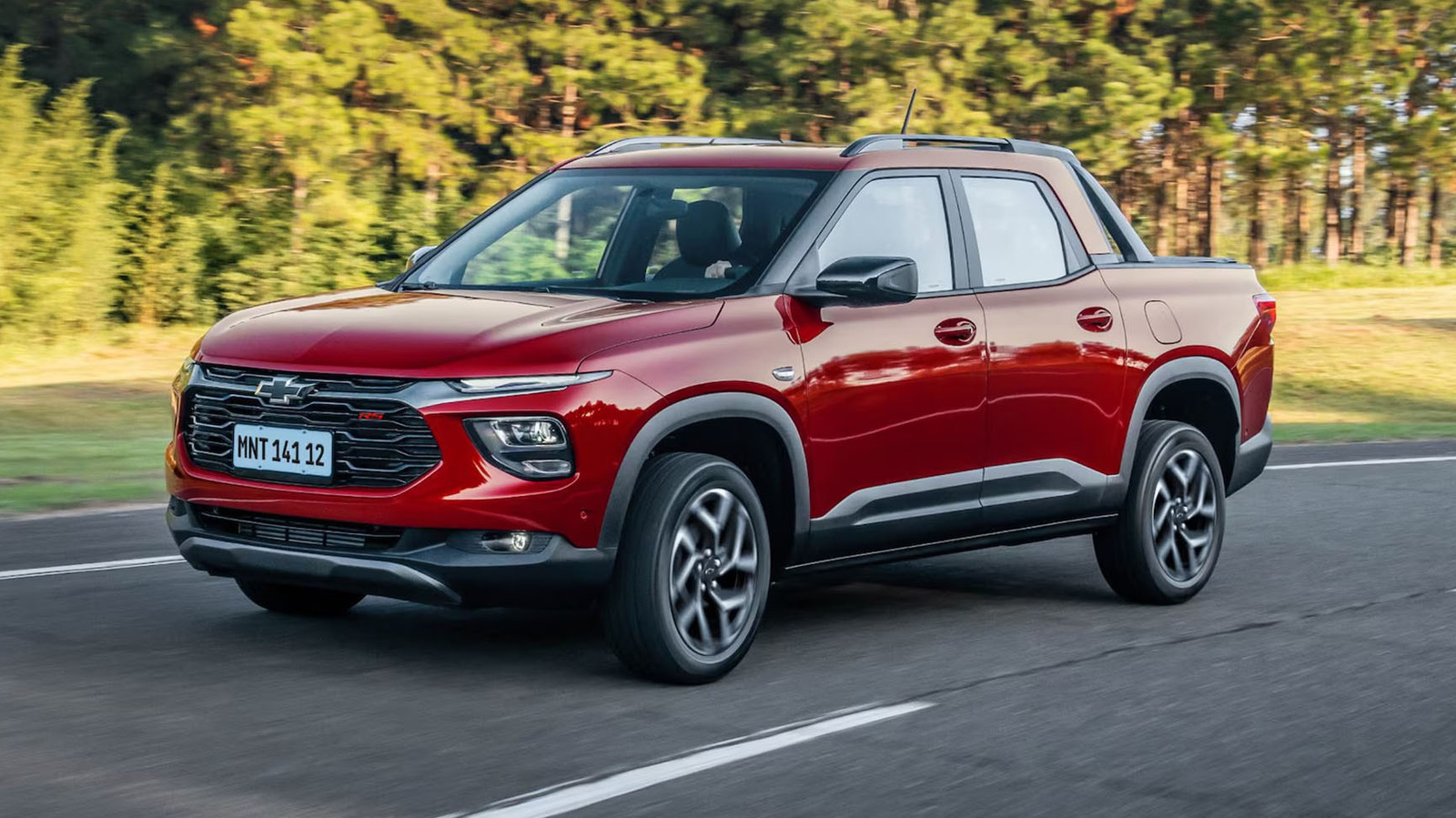
The Chevy Montana and the American Small Truck Landscape: A Realistic Assessment
The small pickup truck segment is heating up, with models like the ford Maverick and Hyundai Santa Cruz proving there’s strong demand for versatile, efficient options. However,if Chevrolet were to bring its Montana pickup to the U.S., it would face an uphill battle.Let’s delve into why,examining the Montana’s strengths and weaknesses in the context of the American market,and explore the broader forces shaping the future of small trucks.
understanding the Montana’s Position
The Chevy Montana is a popular choice in South america, but it’s built for a different consumer than those in the United States. It’s notably smaller than both the Maverick and Santa Cruz – roughly an inch narrower than the already compact Maverick. While a smaller footprint is advantageous for navigating crowded city streets, it inevitably translates to less space for both cargo and passengers.
Power and Performance: A Notable Gap
Perhaps the most significant hurdle for the Montana is its engine. It currently offers only a 1.2-liter turbocharged three-cylinder engine producing 139 horsepower. This is considerably less than the competition.
* the ford Maverick offers up to 250 horsepower.
* The hyundai Santa Cruz boasts up to 281 horsepower.
* Even the base models of the Maverick and Santa Cruz deliver over 50 more horsepower than the Montana.
Furthermore, the Montana is exclusively front-wheel drive. Considering the popularity of all-wheel drive in many parts of the U.S.,especially in regions with inclement weather,this is a major limitation. The recent addition of an AWD-hybrid option to the 2025 Ford Maverick further raises the bar for fuel efficiency and all-weather capability – a combination the Montana currently can’t match.
A Different Truck for a Different World
It’s crucial to understand that the Montana’s shortcomings aren’t necessarily flaws in the vehicle itself. rather,they stem from its origins. The Montana is the third generation of a model designed primarily for the South American market, prioritizing affordability and simplicity.
The Maverick and Santa Cruz, conversely, were developed specifically to appeal to American buyers. They represent a newer approach to the compact truck segment.To succeed in the U.S., Chevrolet would likely need to invest significantly in redesigning the Montana – or developing an entirely new vehicle – to meet American expectations. This includes a more powerful engine and the availability of all-wheel drive.
The Impact of Regulations and Future Possibilities
The limited availability of small trucks in America isn’t solely due to market forces. Government regulations, specifically Corporate Average Fuel economy (CAFE) standards, have historically incentivized manufacturers to produce larger vehicles. Thes standards have contributed to the trend of ever-increasing pickup truck sizes.
Though, the landscape might potentially be shifting. Recent signals from the government suggest a potential openness to smaller, more fuel-efficient vehicles. This could create opportunities for trucks like the Montana – or, more likely, a new generation of compact pickups - to gain a foothold in the American market.
What Does This Mean for You?
If your in the market for a small pickup, the Ford Maverick and Hyundai Santa Cruz currently offer the most compelling options. They provide a balance of practicality, efficiency, and capability that the Montana, in its current form, simply can’t match.
However, the evolving regulatory habitat and growing consumer demand for fuel-efficient vehicles suggest that the future of small trucks in America is bright. Keep an eye on developments in this segment – you might see more diverse and affordable options hitting showrooms in the years to come.





