
Global Cities Ranked by Scenic Beauty: Los Angeles, Chicago, and Miami Among the Top Contenders
The allure of a city often extends beyond its cultural offerings and economic opportunities to encompass its visual appeal. Recent assessments of urban landscapes have placed Los Angeles among the top ten most scenic cities globally, sparking renewed interest in the aesthetic qualities that define urban centers. While the specific methodology and data sources vary, the consistent recognition of North American cities—particularly those in the United States—highlights a growing appreciation for urban design and natural integration. This article explores the factors contributing to the scenic beauty of Los Angeles, Chicago, and Miami, examining their unique characteristics and the data that supports their high rankings.
The ranking of cities based on scenic beauty is a complex undertaking, often relying on subjective criteria such as architectural harmony, natural surroundings, and overall visual impact. However, data-driven approaches are increasingly employed to provide a more objective assessment. One such analysis, referenced in recent discussions, identifies Los Angeles as a standout destination for its picturesque views. Following closely behind is Chicago, noted as the most frequently photographed skyline within the dataset analyzed. Miami secures a place among the top three, further solidifying the prominence of American cities in this regard.
Los Angeles: A Blend of Urban Sprawl and Natural Splendor
Los Angeles’s scenic beauty stems from its unique geographical setting and diverse architectural landscape. Nestled between the Pacific Ocean and the San Gabriel Mountains, the city offers a dramatic contrast between urban sprawl and natural splendor. The iconic Hollywood Hills, with the famed Hollywood Sign, provide a recognizable and visually striking backdrop. The city’s extensive coastline, encompassing beaches like Santa Monica and Malibu, adds to its appeal. The Los Angeles Times details the city’s architectural evolution, showcasing a blend of styles from Spanish Colonial Revival to modern designs.

Beyond its natural features, Los Angeles boasts a vibrant architectural scene. The Walt Disney Concert Hall, designed by Frank Gehry, is a prime example of innovative and visually captivating architecture. The Griffith Observatory, perched atop Griffith Park, offers panoramic views of the city and the Hollywood Sign, making it a popular destination for both tourists and locals. The city’s commitment to preserving historic buildings alongside embracing modern designs contributes to its overall aesthetic appeal.
Chicago: The Architectural Marvel on Lake Michigan
Chicago’s reputation as an architectural powerhouse is well-deserved. Situated on the shores of Lake Michigan, the city’s skyline is a testament to innovative design and engineering. The city’s architectural history is deeply rooted in the Great Chicago Fire of 1871, which prompted a rebuilding effort that prioritized fire-resistant construction and innovative architectural techniques. The Chicago Architecture Center provides extensive resources on the city’s architectural heritage and offers guided tours highlighting its iconic buildings.
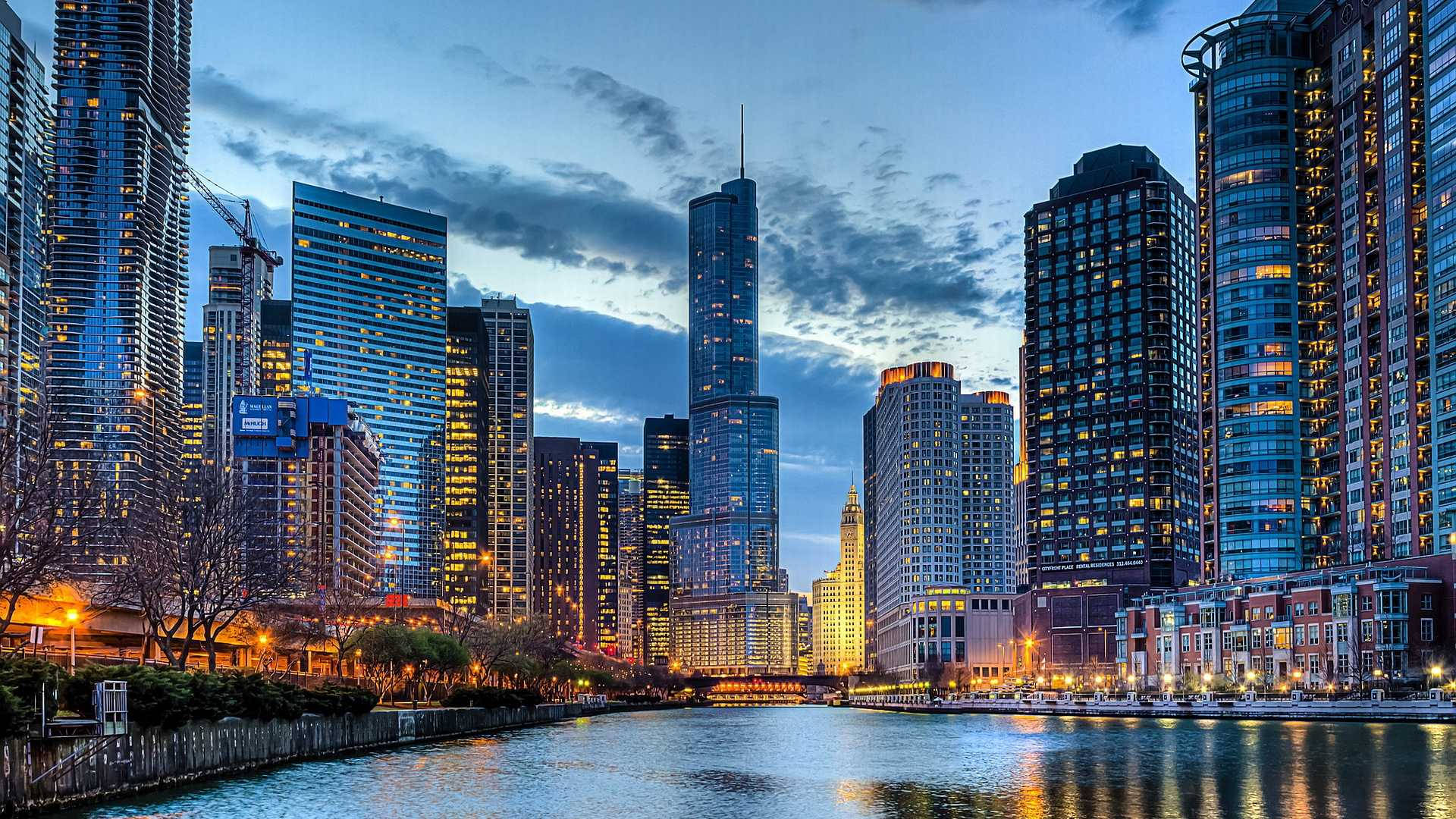
The city’s skyline is dominated by iconic structures such as the Willis Tower (formerly Sears Tower) and the John Hancock Center. These skyscrapers, along with numerous other architectural gems, create a visually stunning cityscape. The Chicago Riverwalk, a pedestrian path along the Chicago River, offers unique perspectives of the city’s architecture and provides a vibrant public space. The fact that Chicago’s skyline is the most photographed in the dataset underscores its widespread appeal and recognition as a visually striking urban landscape.
Miami: Art Deco, Beaches, and Vibrant Colors
Miami’s scenic beauty is characterized by its Art Deco architecture, pristine beaches, and vibrant colors. The city’s Art Deco Historic District, located in South Beach, is a designated National Historic Landmark and features a collection of pastel-colored buildings from the 1930s and 1940s. The National Park Service provides information on the Art Deco Historic District, highlighting its architectural significance and preservation efforts.
Beyond its architectural heritage, Miami boasts miles of sandy beaches along the Atlantic Ocean. The turquoise waters and palm-lined shores create a tropical paradise that attracts visitors from around the world. The city’s vibrant cultural scene, reflected in its colorful murals and public art installations, adds to its overall aesthetic appeal. The combination of architectural charm, natural beauty, and cultural vibrancy makes Miami a visually captivating destination.
Factors Influencing Scenic Beauty Rankings
Several factors contribute to a city’s ranking in terms of scenic beauty. These include the presence of natural landmarks, the quality of architectural design, the cleanliness and maintenance of public spaces, and the overall visual harmony of the urban landscape. The availability of green spaces, such as parks and gardens, also plays a crucial role in enhancing a city’s aesthetic appeal. The perception of safety and security can influence how people experience and appreciate a city’s beauty.

Data-driven approaches to ranking scenic beauty often incorporate metrics such as the number of Instagram posts tagged with city-specific hashtags, the frequency of architectural photography, and the ratings provided by tourists and residents. These metrics, while not without their limitations, can provide valuable insights into the visual appeal of different cities. However, it’s important to acknowledge that subjective preferences and cultural biases can also influence perceptions of beauty.
The Economic Impact of Scenic Beauty
A city’s scenic beauty can have a significant economic impact. Visually appealing cities tend to attract more tourists, which boosts the local economy through increased spending on accommodation, dining, and entertainment. Scenic beauty can enhance a city’s brand image and attract businesses and investment. A positive aesthetic environment can also improve the quality of life for residents, leading to increased productivity and innovation.
Cities that prioritize urban design and invest in preserving their natural and architectural heritage are likely to reap long-term economic benefits. Sustainable tourism practices, which focus on minimizing environmental impact and maximizing local economic benefits, are essential for ensuring that scenic beauty remains a valuable asset for future generations. The ongoing efforts to preserve and enhance the scenic beauty of cities like Los Angeles, Chicago, and Miami demonstrate a commitment to creating vibrant and sustainable urban environments.
As urban populations continue to grow, the importance of scenic beauty will only increase. Cities that prioritize aesthetic quality and invest in creating visually appealing environments will be better positioned to attract residents, businesses, and tourists, ultimately contributing to their long-term economic and social well-being. The continued recognition of Los Angeles, Chicago, and Miami as among the most scenic cities globally underscores the value of investing in urban design and preserving natural and architectural heritage.
Looking ahead, continued investment in urban planning, architectural innovation, and environmental sustainability will be crucial for maintaining and enhancing the scenic beauty of cities worldwide. The ongoing dialogue surrounding urban aesthetics and the development of data-driven assessment tools will further refine our understanding of what makes a city visually appealing and contribute to the creation of more livable and enjoyable urban environments.
What are your thoughts on the most scenic cities? Share your opinions and experiences in the comments below!